
Male fertility tests should be conducted when a man cannot naturally conceive with his partner after 1 year of trying. The sperm analysis, which evaluates semen quality, is one of the tests used to assess fertility. Read on to learn more!
The male fertility test is recommended for couples who are sexually active and do not use contraceptives but fail to conceive after 1 year.
The investigation to determine why conception is not occurring begins with reviewing the medical history, which helps identify any health issues. Learn more below.
Tests for Male Fertility Evaluation
The male fertility test is recommended for couples who are sexually active and do not use contraceptives but fail to conceive after 1 year.
The investigation to determine why conception is not occurring begins with reviewing the medical history, which helps identify any health issues.
Discover the main tests:
1. Semen Analysis (Sperm Test)
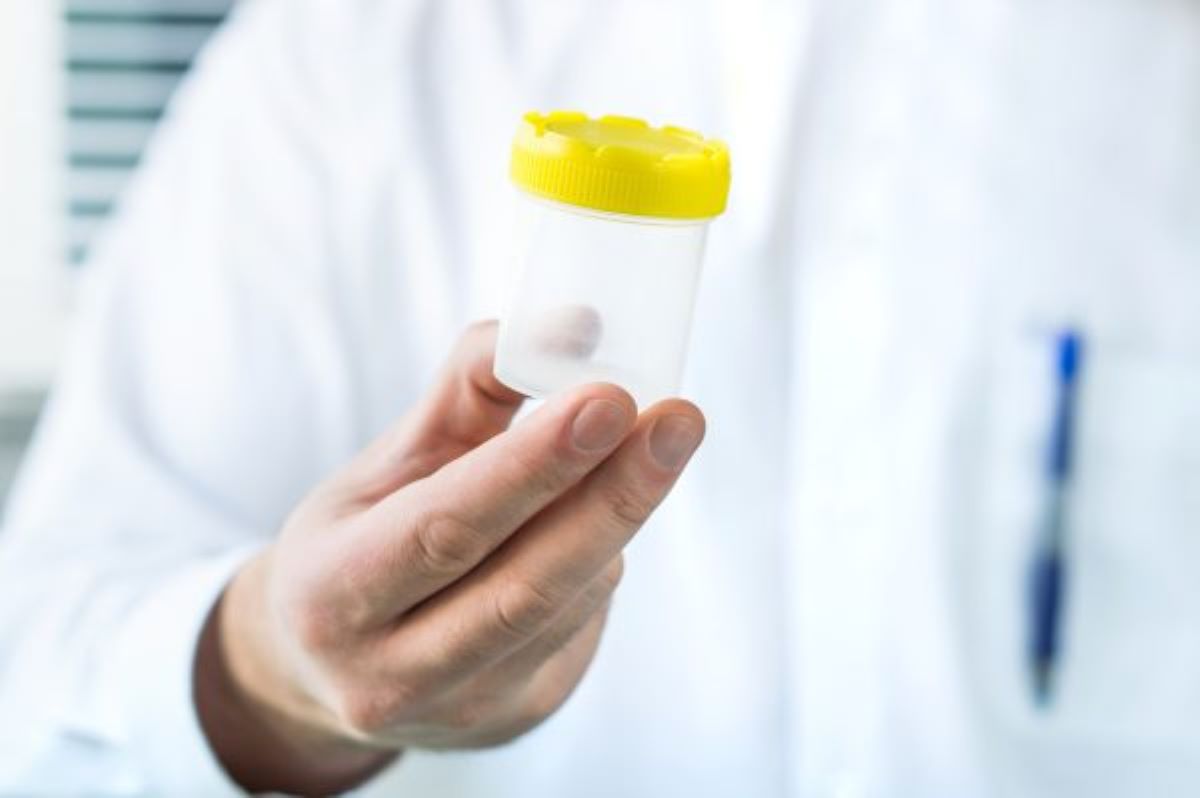
The sperm analysis assesses sperm quantity and quality, making it the most well-known male fertility test.
It is requested to diagnose infertility and is also indicated in cases of varicocele (scrotal varices), testicular inflammation, post-vasectomy, and vasectomy reversal.
Semen is collected on the day of the test through masturbation, and preparation includes:
- Answering lab questions such as “Have you had a sperm test before?”, “What is your abstinence period?”, and “Have you had a recent fever?”;
- Maintaining sexual abstinence for 2 to 7 days;
- Urinating beforehand;
- Washing hands and penis before collection;
- Avoiding lubricants and condoms during collection.
Two analyses are conducted: macroscopic (naked eye) and microscopic.
Results are typically available within 24 to 48 hours, and sperm test results are generally considered normal if the semen volume exceeds 1.5 mL, sperm concentration surpasses 15 million/mL, and the total sperm count exceeds 39 million.
However, a doctor evaluates the overall sperm parameters, including volume, concentration, and motility.
2. Scrotal Ultrasound
The scrotal ultrasound is an imaging test that aids in diagnosing infertility. It allows for the identification of problems in the seminal vesicles and ejaculatory ducts, which store and transport semen.
Other indications include:
- Identifying undescended testicles;
- Investigating anatomical abnormalities in the testicles;
- Detecting varicocele, dilated veins that increase testicular temperature;
- Diagnosing hydrocele (fluid buildup in the scrotum) or spermatocele (fluid-filled cyst).
The test is non-invasive, requires no preparation, and involves no post-procedure restrictions.
During the test, the patient lies on a table while the doctor applies gel to the area for the transducer to glide smoothly.
The transducer emits sound waves that bounce back as echoes, which are processed into images by a computer.
Results are typically ready within 30 minutes.
3. Blood Test for Hormonal Assessment
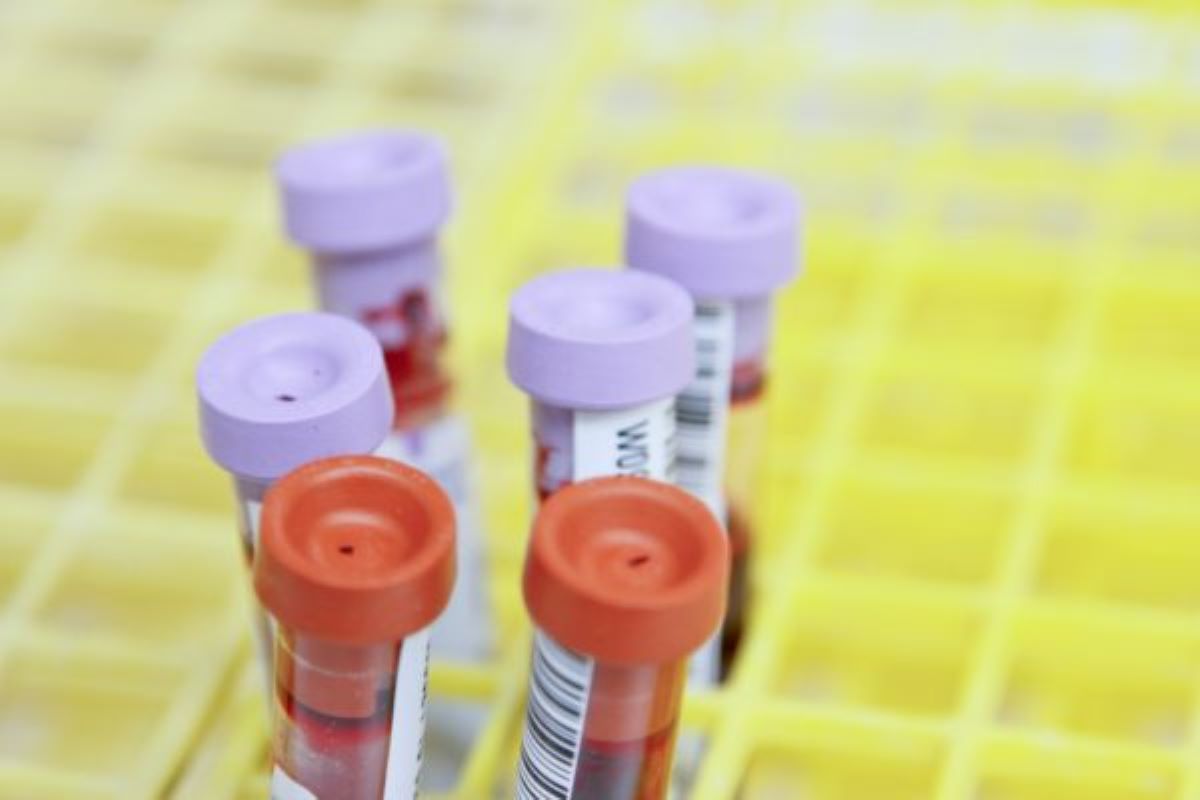
Hormonal imbalances can be a cause of male infertility, as testosterone plays a crucial role in sperm production. Blood tests are conducted to evaluate:
- Testosterone levels;
- Follicle-stimulating hormone (FSH) levels, essential for sperm production;
- Luteinizing hormone (LH) levels, which regulate testosterone production.
The blood sample is collected via arm puncture. Unlike standard blood tests, patients may be instructed to abstain from sexual activity before the test.
4. Sperm Function Tests
Sperm function tests simulate the sperm’s journey to the egg. These tests complement sperm analysis and are recommended in cases such as:
- Infertile men with normal sperm test results;
- When the female partner’s fertility tests show no abnormalities.
There are five types of sperm function tests. Learn more:
- DNA Fragmentation: Identifies DNA damage in sperm;
- White Blood Cells in Semen: Indicates potential infections or inflammation;
- Reactive Oxygen Species: Measures free radicals that may harm sperm;
- Anti-Sperm Antibodies: Detects antibodies that impair sperm motility;
- Hypoosmotic Test: Evaluates sperm’s ability to move in a less concentrated medium.
Do At-Home Male Fertility Tests Work?
Even though home fertility tests approved by regulatory agencies may offer a preliminary assessment, they primarily measure sperm concentration (e.g., above or below 15 million/mL) and do not evaluate sperm quality. For a comprehensive analysis, consult a specialist.
Signs of Male Infertility
Male infertility may not present any symptoms and can only be discovered through testing. However, certain indicators can point to reproductive issues. Check them out:
- Sensitivity, swelling, or testicular pain caused by trauma or injuries;
- Pain during sexual intercourse or ejaculation;
- Retrograde ejaculation, where semen flows into the bladder and is released during urination;
- Urinary tract infections, such as urethritis, which can be caused by sexually transmitted infections like gonorrhea or chlamydia;
- Diabetes, as high blood sugar levels reduce sperm count and quality, as well as their motility.
What Are the Treatments After Infertility Diagnosis?
Treatments for male infertility vary depending on the underlying cause. Discover the options:
- Sexually transmitted infections: Both partners receive medication-based treatment;
- Varicocele: This dilation of internal scrotal veins is treated with medication or surgery in severe cases;
- Hormonal disorders: Hormone replacement therapy to restore normal hormone levels;
- In vitro fertilization: Recommended if other treatments fail or if infertility is due to an untreatable condition.

What to Do if You Suspect Infertility?
If you notice possible signs of infertility, it is advisable to consult a urologist to understand the potential causes and begin the appropriate investigation.
If you suspect infertility, schedule your appointment with Dr. Paulo to evaluate your fertility conditions and explore personalized options for your reproductive health.
Learn more:
- Sexual Health: Egydio Medical Center EMC
- How Not to Fail at the Right Moment? Tips to Avoid Impotence
- When Is a Penile Prosthesis Necessary in Curvature Surgery?
- What Causes Hormonal Disorders in Men? Find Out!
- Penile Prosthesis: Detailed Advantages and Disadvantages
- Penile Prosthesis Rejection: Risks and Cases
- Does prostate removal affect ejaculation? What changes in sexual life
- Penile Prosthesis Maintenance: Do I Need Frequent Replacements?