

Prostate surgery can be performed with abdominal incision, laser, or through the removal of excess prostate tissue.
Prostate surgery is not only indicated for the removal of tumors in the gland.
The procedure can also be used in the treatment of bladder or rectal cancer, benign prostatic enlargement, recurrent infections, and urinary retention.
Furthermore, there are different types of prostate surgery, and the choice of technique depends on individualized medical evaluation.
Below, get your questions answered about prostate surgery.
Is Prostate Surgery Dangerous?
As with any procedure, prostate surgery carries risks, the main ones being erectile dysfunction and urinary incontinence.
Erectile dysfunction can occur because the nerves responsible for erection are close to the prostate and may be affected during surgery.
Urinary incontinence is related to the prostate’s proximity to the bladder and urinary sphincter, which can make urine control difficult post-surgery.
Despite this, surgery is indicated after careful medical evaluation, when the benefits outweigh the risks.
In addition, surgical techniques continue to be refined, which can contribute to minimizing complications and ensuring proper recovery.
When is Prostate Surgery Indicated?
Prostate surgery is indicated when medications and other non-invasive treatments do not resolve the condition.
See the table below for when the procedure is recommended for each prostate alteration.
| Condition | What it is | Main symptoms | When surgery may be indicated |
|---|---|---|---|
| Prostate cancer | It is a malignant tumor that develops in the prostate gland, part of the male reproductive system. | Difficulty urinating, blood in the urine, and pelvic pain. | When cancer is diagnosed in its early stages, surgery may be indicated for prostate removal, which can be associated with other treatments, such as radiotherapy. |
| Benign prostatic hyperplasia (BPH) | It is the enlargement of the prostate, which occurs with male aging and is not related to cancer. This condition can make urine passage difficult. | Difficulty starting or stopping urination, weak urinary stream, and a feeling of incomplete bladder emptying. | When symptoms are intense and affect quality of life, surgery may be indicated to remove excess prostate tissue. |
| Recurrent prostate infections (prostatitis) | Inflammation of the prostate, caused by infections that can reach the gland via the urethra or bloodstream. | Pain or burning during urination, pelvic or lower back pain, fever. | In cases of chronic or recurrent infection, surgery for drainage or treatment with medication may be indicated. |
| Severe urinary flow blockage | Enlargement of the prostate causes severe blockage of urine passage through the urethra. | Extreme difficulty urinating, acute urinary retention (inability to urinate). | When severe blockage occurs and there is risk of kidney injury, surgery is indicated to unblock urinary flow. |
| Bladder tumors | Abnormal growth of cells in the bladder, forming tumors that can be malignant or benign. | Pain or burning during urination, blood in the urine, pelvic pain. | When the tumor is malignant, surgery is indicated for removal of the bladder or part of it. |
| Rectal tumors | Abnormal growth of cells in the rectum, the final part of the large intestine, which can affect the prostate. | Pain during bowel movements, blood in stool, pelvic pain. | When the tumor is close to the prostate, combined surgery may be indicated for removal of both areas affected by the disease. |
How is Prostate Surgery Performed?
Understanding how prostate surgery is performed is important for patients to make an informed decision.
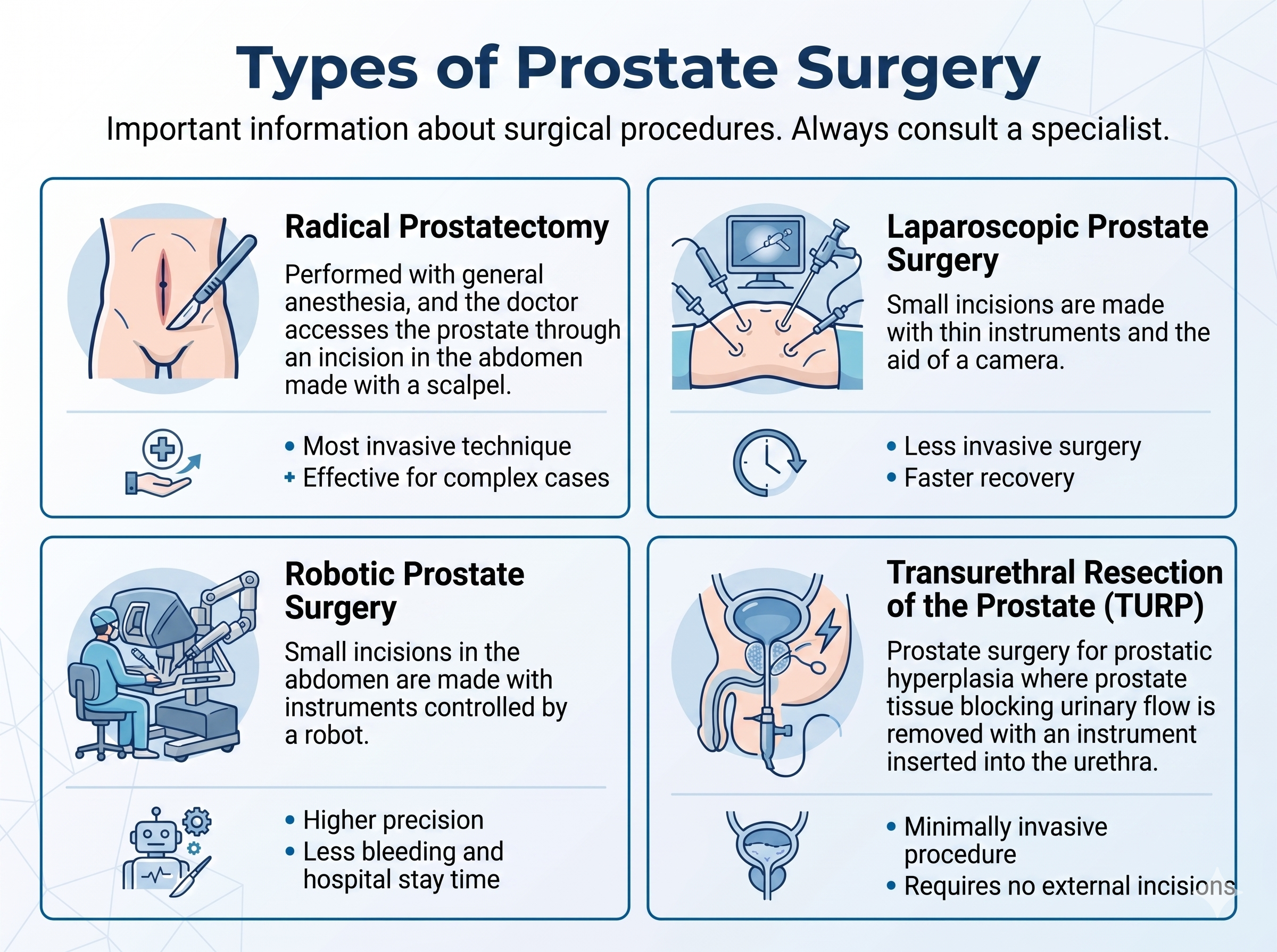
In general, the procedure can be performed via abdominal approach, with a scalpel or laser, or through the urethra, as in transurethral prostate resection.
- Open prostatectomy: indicated for localized prostate cancer. It may involve partial or total removal of the prostate, the latter being called radical prostatectomy.
- Laser techniques and transurethral resection: used in the treatment of benign prostatic hyperplasia, characterized by non-cancerous enlargement of the prostate.
Regardless of the approach, the goal of surgery is to treat the condition. Improvement in quality of life will depend on individual clinical evaluation and each patient’s response to the procedure.
Main Types of Prostate Surgery
How to Prepare for Prostate Surgery
Check out the main pre-operative care:
- Pre-operative evaluation: consultation with the urologist to analyze health history, comorbidities (such as diabetes), and request for tests.
- Necessary tests: include imaging tests (CT or MRI), blood tests, and cardiac evaluation.
- Medical guidance: may involve fasting, adjustment or suspension of medications, and specific care depending on each case.
Patients with penile prostheses should inform the doctor beforehand so that device preservation strategies can be adopted.
In some cases, the urologist may inflate the prosthesis during the procedure to reduce the reservoir volume and facilitate surgery.

How Long Does Prostate Surgery Take?
The duration of the procedure varies between 2 and 4 hours, depending on the patient’s anatomy, case complexity, and technique used.
Hospital stay usually lasts 2 to 5 days.
What Are the Risks of Prostate Surgery?
- Bleeding: more common in open prostatectomy because it is more invasive. Signs such as bright red urine, presence of clots, pain during urination or fever require medical evaluation,
- Infection: usually related to urinary catheter use. Hygiene measures reduce the risk, and treatment is done with antibiotics when necessary.
- Urinary incontinence: can occur due to changes in the urinary sphincter. In some cases, the situation may improve over time and with pelvic floor strengthening exercises, but the evolution varies from patient to patient.
- Erectile dysfunction: can occur due to the proximity of the nerves responsible for erection. Treatment will depend on individual urological evaluation and available options in each case.
What is Recovery Like After Surgery?
Recovery from prostate surgery involves important care. Check out the main points:
| Aspect | Description |
|---|---|
| Recovery time | Varies depending on age, case severity, and technique used, generally between 4 and 6 weeks. |
| Urinary catheter use | Helps drain urine and promote healing; usually used for 7 to 14 days. |
| Return to activities | Should be gradual: light walks in the first few days; moderate and sexual activities between 4 and 6 weeks; intense exercise between 60 and 90 days. |
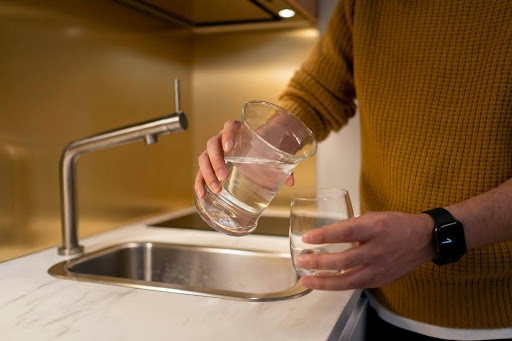
| General care | Attend follow-up appointments, maintain good hydration, properly clean the catheter, and follow prescribed medication. |
What Happens to a Man After Prostate Removal?
After surgery, the body needs a recovery period, and it is essential to avoid physical exertion during healing.
Some effects, such as urinary incontinence and erectile dysfunction, may occur. In some cases, these effects may improve over time and with proper medical follow-up, but the evolution varies from patient to patient.
In general, surgery aims to treat the condition. Results and recovery of quality of life depend on individual clinical evaluation, each patient’s response, and proper follow-up.
To clarify your questions and understand if the procedure is indicated for your case, fill out the pre-analysis form to schedule a consultation.
Learn more:
- What are the most common prostate diseases and their symptoms?
- Types of penis: what they are, differences, myths and curiosities
- Male Masturbation: Benefits and Myths Unveiled
- Male Hormones That Influence Your Health
- 10 Tips on How to Improve Sexual Performance in the Moment
- What Is Ejaculation? Answers to Your Main Questions
- What is Andropause? Signs, Symptoms and Treatments
- Learn About the 04 Penile Surgeries: Are They Effective?
- Penis Anatomy: How is the Structure, Erection and Ejaculation
- 10 main penile diseases: what they are, how to identify and treat
- Penis Pain: 12 Causes, Symptoms and Treatments
- Men’s sexual health: 7 habits that affect your performance and how to improve