
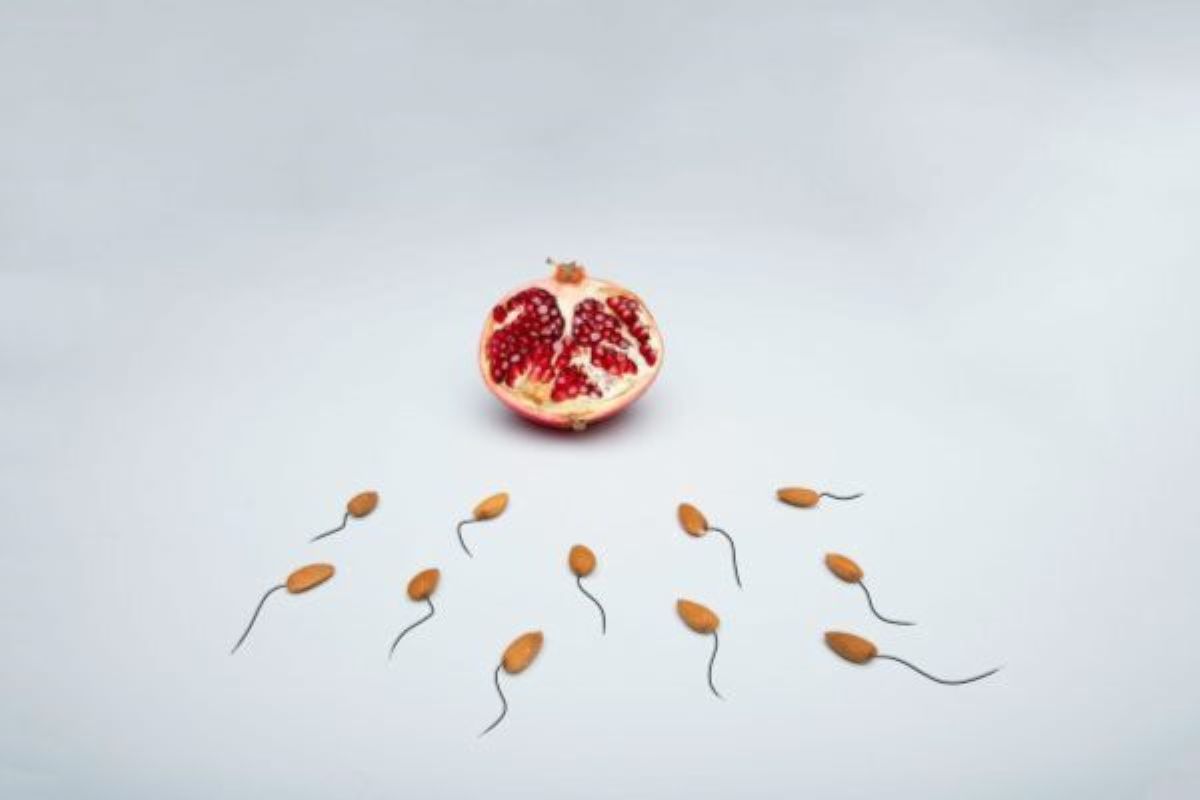
Erectile dysfunction can affect male fertility, especially when associated with low testosterone levels, which can compromise sperm quality.
Erectile problems can hinder fertility by reducing the frequency of sexual intercourse. However, it is not correct to state that erectile dysfunction causes infertility.
The main impact is that difficulty achieving an erection can indicate low testosterone levels, which can compromise sperm production and quality.
Below, understand better the relationship between erectile dysfunction and male infertility.
What is the relationship between erectile dysfunction and fertility?
The first impact of erectile dysfunction on reproductive capacity is the reduction in sexual frequency.
With fewer sexual encounters, the chances of sperm reaching the female reproductive system decrease.
Additionally, this reduction can generate anxiety, insecurity, and stress, factors that worsen erectile dysfunction and make sexual activity even less frequent.
Does erectile dysfunction affect male fertility?
Erectile dysfunction does not directly affect male fertility, but can have an indirect impact.
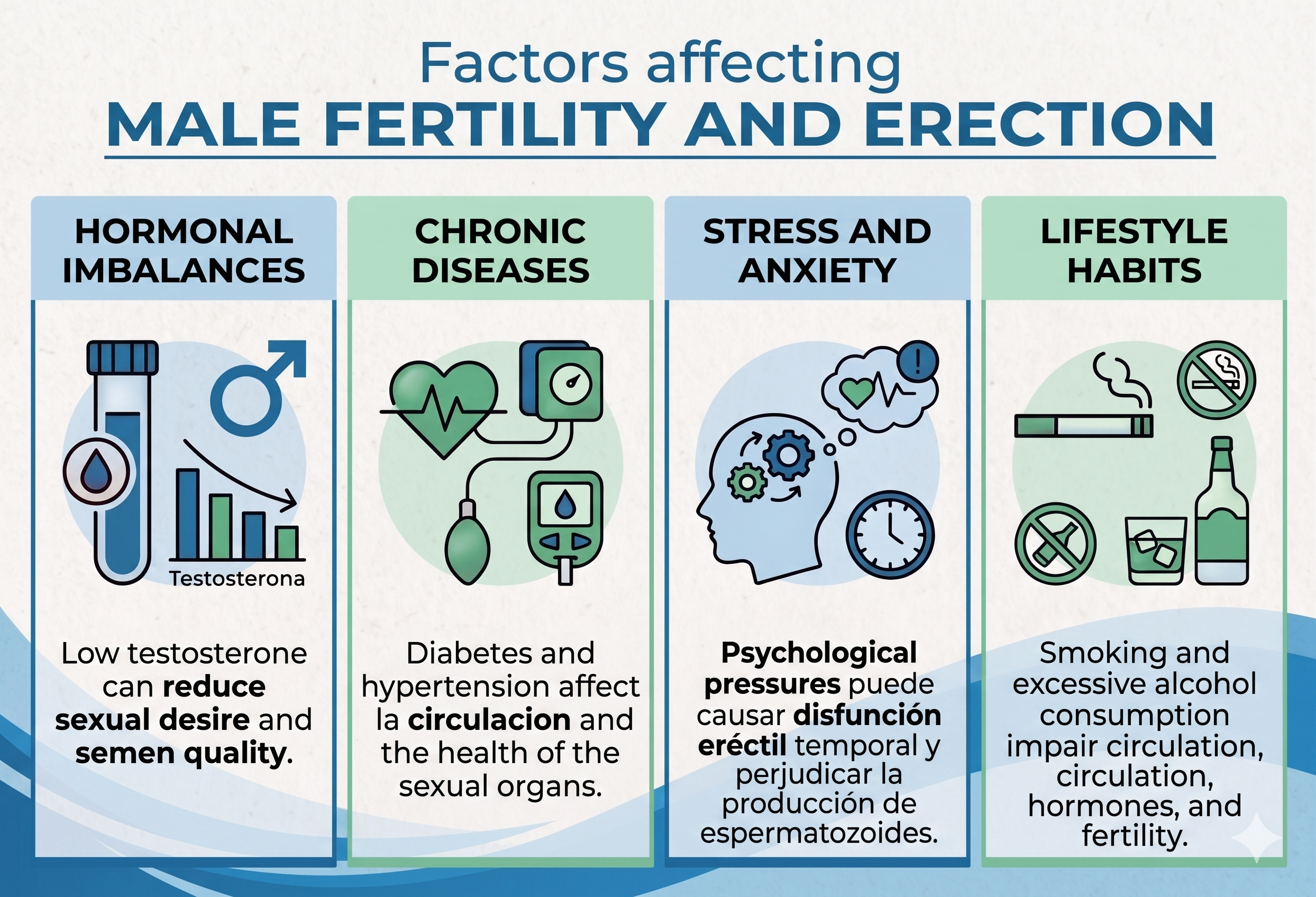
An article published by The Fertility Center explains that, in addition to reducing the frequency of sexual intercourse, erectile dysfunction can indicate low testosterone levels.
This hormone is essential for libido, sexual function, and sperm production.
Thus, the relationship between male erectile dysfunction and reproduction lies in the fact that erectile dysfunction can be a sign of hormonal changes that compromise fertility.
Problems that can affect erectile function and fertility at the same time
Can erectile dysfunction prevent pregnancy?
Erectile dysfunction can hinder conception when it significantly reduces the frequency of sexual intercourse, decreasing opportunities for conception during the fertile period.
On the other hand, if the couple maintains an active sex life, with normal ejaculation, adequate hormone levels, and healthy sperm, fertility is not likely to be compromised.
What tests may be necessary?
Some important tests to investigate male infertility include hormonal evaluation, semen analysis, and vascular assessment.
See how each contributes to the diagnosis:
- Hormonal evaluation: blood tests that measure hormone levels such as LH (responsible for regulating testosterone production ) and FSH (essential for sperm production).
- Semen analysis: analyzes the quantity and quality of sperm. The result usually comes out between 24 and 48 hours. Values considered normal include volume above 1.5 ml, concentration above 15 million per mL, and total count above 39 million.
- Vascular assessment: scrotal ultrasound identifies anatomical changes, such as varicocele — dilation of the veins in the scrotum that can increase testicular temperature and impair fertility.
Treatments to improve sexual function and fertility
| Treatment | Description |
|---|---|
| 💊 Medications for erectile dysfunction | Sildenafil, tadalafil, and vardenafil are first-line options for erectile dysfunction. When the response is insufficient, intracavernous injections may be considered. They do not act directly on fertility, but can contribute to improved blood flow and erectile function. |
| 🍭 Lifestyle changes | Reducing stress and anxiety can contribute to hormonal balance. Smoking cessation and reduced alcohol consumption can favor circulation. Balanced diet and physical activity can help prevent and control diabetes and hypertension. |
| 💉 Medications (fertility ) | May be indicated in cases of low sperm count associated with hormonal deficiency. |
| 💊 Antibiotics | Prescribed in cases of infections or inflammations that affect sperm quality. |
| 💧 Hormone replacement | May be indicated for low testosterone levels. |
| 🔬 Surgery (varicocele ) | Procedure that can correct dilation of testicular veins. |
| 🧫 Artificial insemination | May be indicated in cases of low sperm motility. |
| 🧬 In vitro fertilization (IVF ) | Option that can be considered in cases of compromised sperm quality. |
When to see a urologist?
It is essential to consult a urologist when erectile difficulty is persistent and frequent.
Medical evaluation is also indicated when the couple has been trying to conceive for 12 months or for 6 months if the woman is 35 years or older. Erectile dysfunction can indicate hormonal changes and impact male fertility.
Fill out the pre-analysis form to clarify your doubts about erectile problems and fertility with Dr. Paulo Egydio, a urologist with 28 years of experience.
Also take the opportunity to subscribe to the YouTube channel and follow content from the specialist on male sexual health.


