

Urethral fistula is an abnormal connection between the urethra and the bladder—or the skin of the genitals and anus—leading to urinary leakage. It may develop after urologic surgery or pelvic trauma.
A urethral fistula is an unwanted link between the urethra and the bladder or the perineal, scrotal or penile skin. It can cause urine leakage and raise infection risk, depending on the case.
This urologic condition may arise from surgical complications, pelvic injuries or, less commonly, be congenital. Learn more below!
What is a urethral fistula?
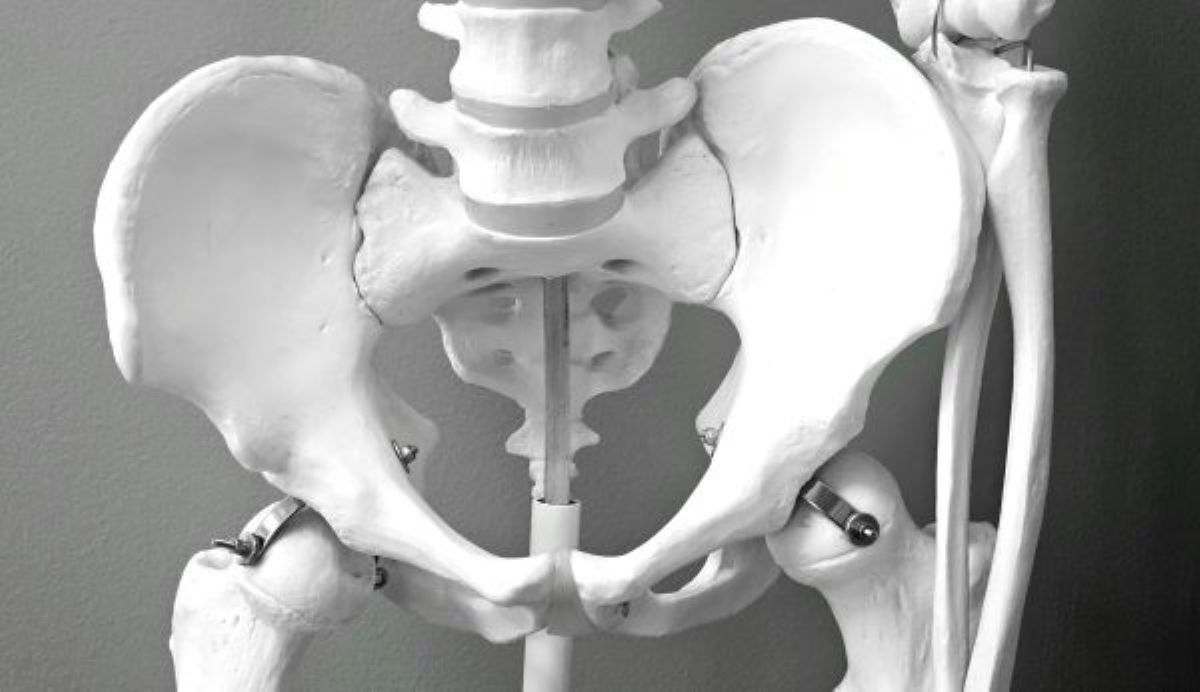
A urethral fistula is a passage that should not exist between the bladder and the urethra—the tube that carries urine out of the body—and can also reach the rectum or the genitoperineal skin between genitals and anus.
This abnormal tract may trigger urinary incontinence and recurrent infections, affecting quality of life.
What causes a urethral fistula?
A urethral fistula can be related to injuries or procedures that damage the urinary tract or surrounding organs, such as:
- Urethral injury;
- Complications after prostate-removal surgery;
- Pelvic or intestinal operations;
- Trauma from catheters or surgical instruments;
- Chronic urinary-tract infection;
- Bladder, rectal or prostate cancer;
- Pelvic radiotherapy.
Possible consequences if left untreated
An untreated urethral fistula may be associated with physical and emotional burden.
Physical issues include urinary incontinence, recurrent UTIs, chronic genital inflammation and skin lesions from constant urine contact, which can even affect kidney function.
Odor and discomfort from leakage may limit social and intimate life and, in some cases, lead to emotional distress.
Main symptoms
Key signs of a urethral fistula include:
- Urethral pain;
- Constant urine leakage;
- Repeated urinary infections;
- Urine passing through perineum or anus;
- Skin irritation.
Diagnosis and recommended treatments
Male urethral fistula diagnosis may involve:
- Retrograde urethrography: X-ray after injecting contrast through the urethral opening;
- Cystoscopy: endoscopic look inside urethra and bladder with a camera-tipped tube;
- Magnetic resonance imaging: non-invasive scan providing detailed images without radiation.
Treatment options vary and can include different surgical approaches selected after individual evaluation, from simple closure to grafting tissue from the inner thigh or even urethral reconstruction.

Recovery after urethral fistula repair
Recovery depends on severity and surgical technique. Common postoperative advice includes:
- Keeping a urinary catheter;
- Extra attention to intimate hygiene;
- Use of prescribed antibiotics;
- No heavy effort or sexual activity until medical clearance.
Seek medical help if you notice symptoms
See a doctor if you experience urine escaping from unusual sites, pain when urinating or recurrent infections.
Untreated cases may affect urinary and kidney function, so medical assessment is essential.
For more information, join our WhatsApp channel and follow updates on men’s health and urologic care.
Learn more:
- Sexual Health: Egydio Medical Center EMC
- How Not to Fail at the Right Moment? Tips to Avoid Impotence
- When Is a Penile Prosthesis Necessary in Curvature Surgery?
- What Causes Hormonal Disorders in Men? Find Out!
- Penile Prosthesis: Detailed Advantages and Disadvantages
- Penile Prosthesis Rejection: Risks and Cases
- Does prostate removal affect ejaculation? What changes in sexual life
- Penile Prosthesis Maintenance: Do I Need Frequent Replacements?