Using Medications and Penile Prosthesis After Implantation
The penile prosthesis is indicated when other erectile dysfunction treatments fail to deliver results. In some cases, vasodilators may be necessary—especially when cavernous tissue compromise occurs due to fibrosis, penile shortening, or severe vascular issues.
Learn more about medications and penile prosthesis.
What to Expect After Penile Prosthesis Surgery
The penile prosthesis restores penile functionality, enabling the rigidity needed for penetration and supporting your return to an active sex life.
By bringing back penetrative ability, this surgery also boosts self-esteem, giving confidence that the penis will reliably become erect so you can fully enjoy intimate moments.

Can You Take Tadalafil If You Have a Penile Prosthesis?
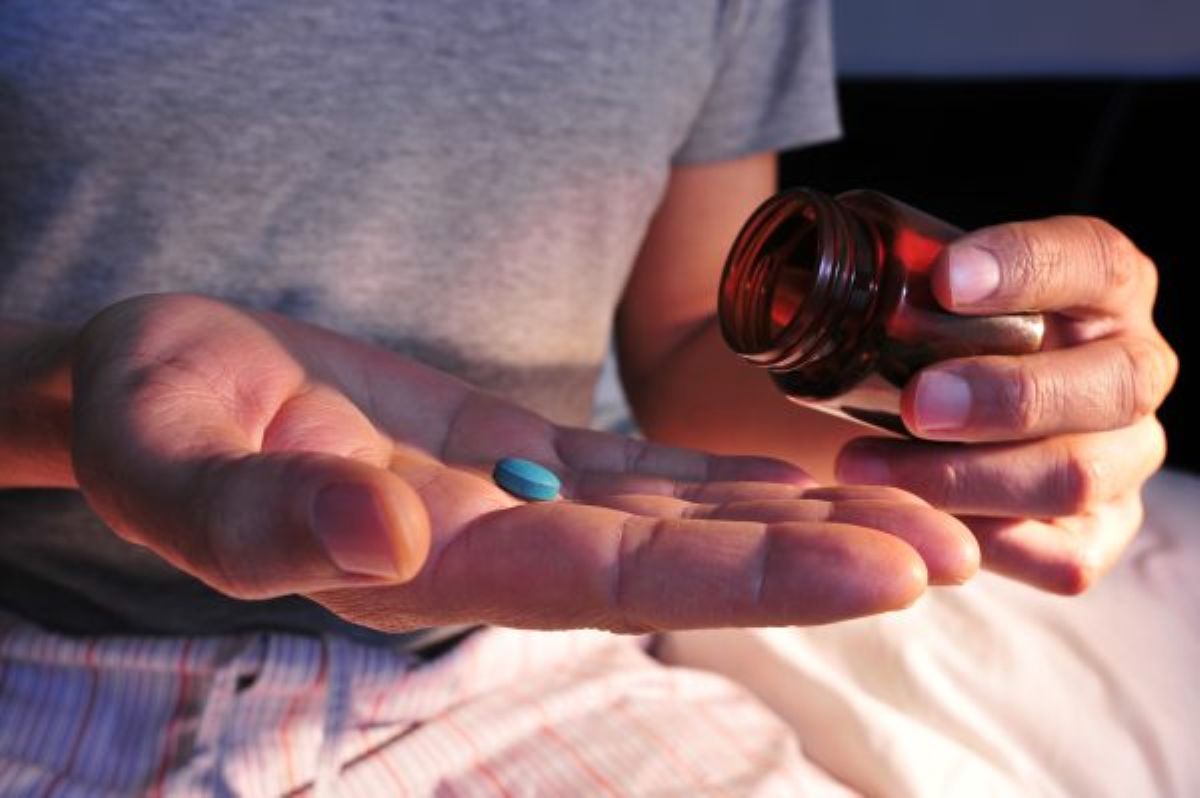
Yes, you can take tadalafil (commercially known as Viagra) after prosthesis implantation, provided it’s prescribed by your urologist.
Here, the medication’s role is not to induce erection—your prosthesis already does—that; instead, Viagra enhances penile blood flow, oxygenates cavernous tissues, and helps the glans adapt to the device.
When Are Medications and Penile Prosthesis Necessary Together?
Combining medications and a penile prosthesis is recommended when preoperative damage to the cavernous bodies exists or in cases of serious vascular problems.
The cavernous bodies are cylinders inside the penis that fill with blood during arousal to create rigidity.
If these structures are compromised, blood flow may be insufficient, resulting in suboptimal firmness.
Vascular issues—such as venous leak—can also require vasodilators like tadalafil to improve circulation and ensure a firmer erection.
How Medications Aid Recovery and Adaptation
Low-dose tadalafil in the postoperative period helps the penile tissues adapt to the prosthesis. Always use under urological supervision for best outcomes. Benefits include:
- Enhanced blood flow;
- Oxygenation of cavernous bodies—crucial in fibrosis or long-standing erectile dysfunction;
- Maintenance of glans volume and sensitivity;
- Improved healing of penile tissue.
When to Adjust or Discontinue Medications
Your urologist may modify or stop medications if:
- You experience significant side effects;
- Vascularization and prosthesis adaptation are satisfactory;
- Cardiac disease is diagnosed.
The Role of Cavernous Bodies in Prosthesis Success
Preserving cavernous tissue during prosthesis surgery is key to maintaining local oxygenation, natural appearance, and glans fullness during erection.
Intact cavernous bodies also support vascularization and sensitivity after implantation.
Why Surgeon Experience Matters for Medication Needs
An experienced surgeon selects the most appropriate prosthesis, balancing length and girth to preserve vascular structures and prevent device migration or tissue perforation.
Expert technique also reduces postoperative medication requirements, limiting drug use to specific cases.
Post-Op Medication Care
To ensure safe recovery:
- Follow prescribed dosages and schedules;
- Do not stop medication without consulting your doctor;
- Inform your physician of any side effects immediately;
- Never take additional drugs without medical approval.
The Importance of Ongoing Medical Follow-Up
Continuous follow-up after penile prosthesis implantation is crucial for long-term success and patient safety. Your urologist will:
- Monitor healing;
- Detect potential complications;
- Assess prosthesis function and usage techniques;
- Adjust medications as needed;
- Provide guidance on resuming activities, including sexual intercourse.
The penile prosthesis is an effective treatment for erectile dysfunction when oral drugs alone are insufficient. If you struggle with erections, fill out the pre-analysis form to receive Dr. Paulo Egydio’s personalized recommendations.
Learn more:
- Sexual Health: Egydio Medical Center EMC
- How Not to Fail at the Right Moment? Tips to Avoid Impotence
- When Is a Penile Prosthesis Necessary in Curvature Surgery?
- What Causes Hormonal Disorders in Men? Find Out!
- Penile Prosthesis: Detailed Advantages and Disadvantages
- Penile Prosthesis Rejection: Risks and Cases
- Does prostate removal affect ejaculation? What changes in sexual life
- Penile Prosthesis Maintenance: Do I Need Frequent Replacements?