Glycaemic control is essential to prevent erection problems in people with diabetes because excess blood sugar harms circulation — vital for erectile function. Monitoring glucose therefore helps safeguard overall, and sexual, quality of life. Learn more!
Men with diabetes must not ignore the importance of glycaemic control for sexual health.
Diabetes can narrow arteries and impair blood flow. With less blood reaching the penis, an erection may not occur or may not be firm enough, leading to erectile dysfunction.
Tracking glucose and adopting healthy habits help people with diabetes live a more balanced life. Learn more!
How does diabetes affect urological health?
According to diabetes-mellitus research, two factors are involved: low insulin production and insulin resistance. Insulin is the hormone that helps blood sugar enter cells so they can function.
In type 1 diabetes, the immune system destroys pancreatic beta cells, preventing insulin production.
In type 2 diabetes, insulin production is initially normal but, over time, cells stop responding properly to the hormone.
The pancreas compensates for that resistance by producing more insulin, overloading the organ.
Without proper control, diabetes leads to hyperglycaemia — excess blood sugar. This damages blood vessels throughout the body and undermines circulation. With blood flow restricted, the penis may not receive enough blood to achieve or maintain an erection.
Complications extend beyond sexual life. Poor glycaemic control raises cardiovascular risk — for example, heart attack — and can lead to diabetic neuropathy, nephropathy and retinopathy.
These risks show why glycaemic control is fundamental to quality of life in people with diabetes.
Importance of glycaemic control in preventing health problems
Keeping glucose in range and attending regular medical follow-up are essential to avoid erectile dysfunction.
When glucose runs high, nerves and blood vessels are damaged, reducing the flow required for the penis to become erect.
A balanced diet is one tool for maintaining healthy blood-sugar levels. A diabetes-friendly diet prioritises whole-grain foods, plenty of fibre and limited saturated fat or simple sugars.
Knowing the glycaemic index of foods also matters, as it indicates how quickly a food raises blood sugar.
Understanding the carbohydrate–glucose relationship is indispensable: whole grains, fruit with skin, legumes and vegetables are top choices.
With these healthy habits, a person with diabetes controls blood sugar and also reduces cardiovascular disease risk plus chronic complications such as diabetic neuropathy, nephropathy and retinopathy. See below:
The adoption of healthy habits can contribute to better glycaemic control and, consequently, to a lower risk of chronic complications associated with diabetes, including cardiovascular disease,
- Cardiovascular disease
The incidence of cardiovascular disease in people with diabetes is higher than in those without. Among 307 patients with type 2 diabetes in this study, 22 % had cardiovascular disease and 74.5 % had hypertension.
- Diabetic neuropathy
Nerve damage that causes tingling, burning, pain or loss of sensation in feet or hands. In severe cases, digestion, bladder function and sexual function can be impaired.
- Diabetic nephropathy
A condition in which high blood sugar damages kidney vessels. Urine then loses proteins such as albumin that aid recovery.
- Diabetic retinopathy
Damage to retinal vessels can blur vision or even cause blindness.
How to know if erectile dysfunction is linked to diabetes?
Men with diabetes face a four-fold higher risk of erectile dysfunction than those without the disease.
To determine whether erection difficulties relate to diabetes, clinicians evaluate history and tests. See below:
- History and symptom assessment
- Duration of diabetes;
- Complications such as neuropathy;
- Symptoms such as reduced sensitivity and low libido.
2. Laboratory tests
- Fasting glucose and HbA1c to measure control;
- Lipid profile and renal function to gauge cardiovascular risk;
- Testosterone levels to exclude hormonal disorders;
- Penile Doppler ultrasound to check circulation.
3. Excluding other causes
- Sudden or variable dysfunction suggesting a psychological component;
- Use of alcohol or tobacco;
- Antidepressant or antihypertensive medication;
- Stress, anxiety or depression.
Treatment options for erectile dysfunction in diabetes
Oral or injectable medicines are the first-line treatment for diabetic erectile dysfunction.
According to this study on erection problems associated with diabetes mellitus, physical activity and healthy eating — along with good glycaemic control — increase drug efficacy.
If conservative treatment fails, penile prosthesis is another option.
Clinical approach
A urologist conducts the clinical management of erectile dysfunction in men with diabetes.
The doctor first investigates onset, duration and progression, including questions about nocturnal and morning erections, sexual satisfaction and relationship impact.
Physical exam checks penile and testicular anatomy and hormonal signs such as reduced body hair or breast enlargement.
Finally, the urologist reviews comorbidities that may harm erection — for example high blood pressure — and any antidepressants or other drugs that influence sexual function.
Only after this assessment will the physician decide on therapy.
The first line is oral medication. If it fails, intracavernosal injections are second line.
When is a penile prosthesis indicated?
Penile prosthesis is the third-line treatment for erectile dysfunction.
It is suggested when pills and injections do not work. The device aims to provide sufficient rigidity for penetration in selected cases.
How to monitor glucose?
Glucose monitoring is indispensable in diabetes care. It aims to prevent both hyperglycaemia and hypoglycaemia.
Monitoring frequency varies with diabetes type, therapy and glucose stability.
People with type 1 diabetes or multiple daily insulin injections need to test more often.
Those with type 2 diabetes using oral medication can check fasting or around meals.
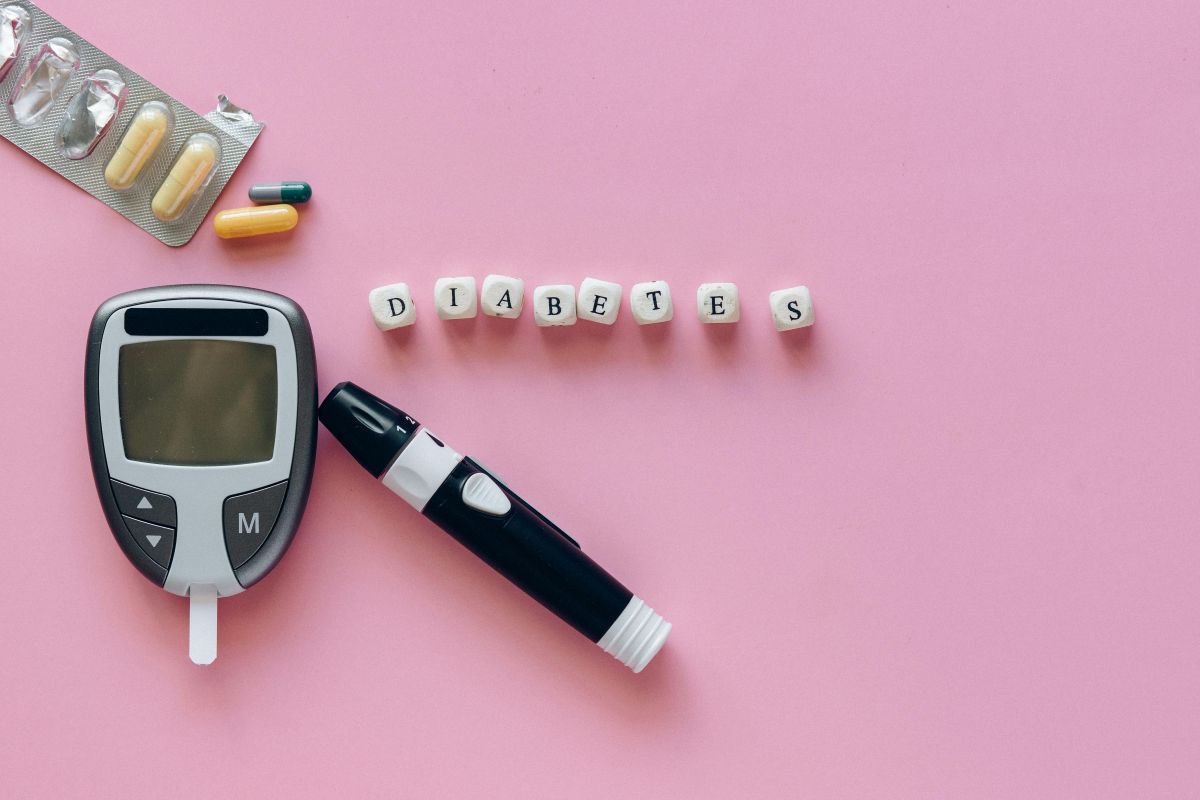
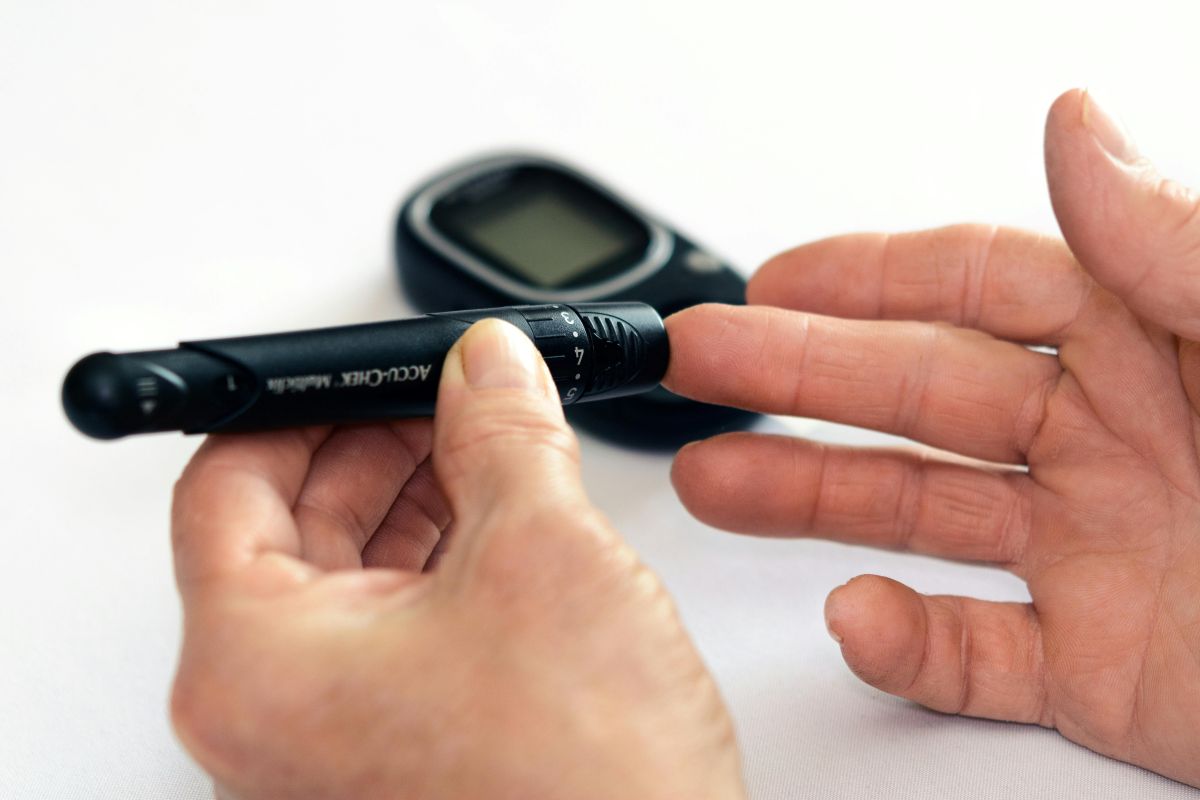
Patients can self-monitor blood sugar with a glucometer — a portable device that reads a drop of blood — or with continuous glucose sensors.
For accurate readings, hands must be clean and records made as per medical guidance.

Does glycaemic control improve quality of life?
Stable blood sugar is key to lowering cardiac, renal, ocular and neurological risks and may support better energy and sexual health.
For more on the importance of glycaemic control and practical healthy-living tips, follow Dr Paulo on Instagram.
Learn more:
- Sexual Health: Egydio Medical Center EMC
- How Not to Fail at the Right Moment? Tips to Avoid Impotence
- When Is a Penile Prosthesis Necessary in Curvature Surgery?
- What Causes Hormonal Disorders in Men? Find Out!
- Penile Prosthesis: Detailed Advantages and Disadvantages
- Penile Prosthesis Rejection: Risks and Cases
- Does prostate removal affect ejaculation? What changes in sexual life
- Penile Prosthesis Maintenance: Do I Need Frequent Replacements?