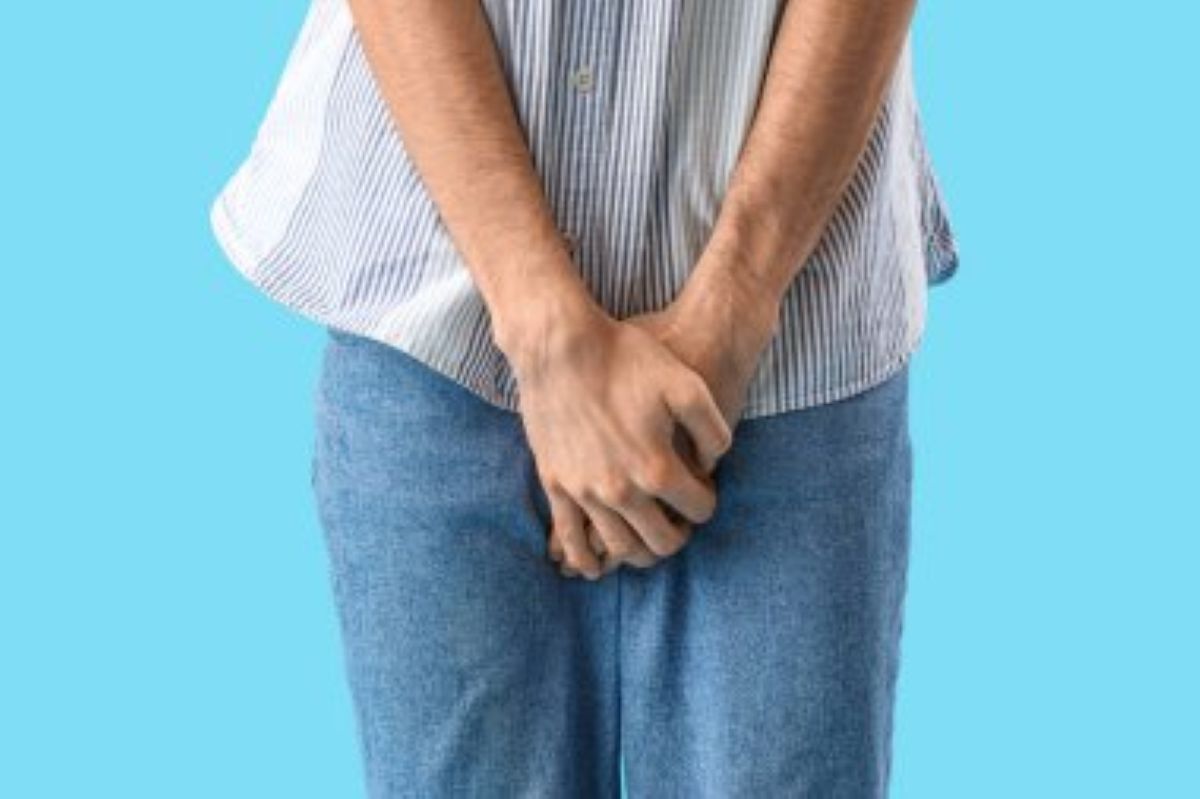

Erectile dysfunction in older men can be managed with medications, therapies, and lifestyle changes. If necessary and medically appropriate, some patients may also be candidates for penile prosthesis surgery.
Having trouble when it matters is not an inevitable part of aging, but erectile dysfunction in older age is very common. In some cases, the condition may improve with appropriate treatment, allowing the maintenance of an active sex life, according to each patient’s clinical circumstances.
According to the Brazilian Ministry of Health, compared with men aged 18 to 39, men between 60 and 69 have more than double the risk of erectile dysfunction. Among those aged 70 or older, the risk is three times higher!
Even with the progressive increase in age-related erectile dysfunction risk, male sexual health in older age should not be overlooked, because aging and erectile function are connected. This may indicate that vascular, nervous, metabolic, or mental health can be affected.
See how it is possible not only to identify the causes, but also to address the condition safely, based on individualized medical evaluation, regardless of the patient’s age.
Main causes of erectile dysfunction in older men
After age 60, the causes of erectile dysfunction may be organic or psychological, such as:
Chronic diseases and vascular health
The relationship between cardiovascular disease and erection is due to reduced blood flow, which also affects the penis, decreasing rigidity. Hypertension also affects penile circulation.
Diabetes affects blood vessels and nerves. With worsening blood flow and neuropathy, penile filling and the erectile trigger can be impacted.
Hormonal changes
Hormonal changes in male aging are usually gradual, but can be relevant to erection problems.
Low testosterone in older men can influence desire, energy, and response to stimulation, as can hypothyroidism and hyperthyroidism.
Medication use
In older age, medication use is common. However, it is important to consider the effects of medications on erections.
Blood pressure medications, antidepressants, and some treatments for benign prostatic hyperplasia may reduce libido, interfere with arousal and orgasm, and contribute to erectile dysfunction, requiring a risk–benefit evaluation.

Neurological factors
Neurological conditions may impair brain commands and the integration of the sexual response. This is the case with stroke, in which lesions can make it harder to activate the nervous system needed for erection.
In Parkinson’s disease, dopamine-related changes, motor symptoms, and treatment effects may affect desire and sexual performance.
In addition, these conditions are associated with significant emotional impacts that can add to the problem.
Emotional and psychological aspects
Although an organic cause is more prevalent in older men, the psychological impact of erectile dysfunction may maintain or worsen the condition.
Performance anxiety and depression can interfere with sexual response and reduce desire.
Some temporary situations, such as grief, stress, and changes in social roles, may affect self-esteem and intimacy, contributing to erection problems in later life.
How diagnosis is made
To understand the causes of erectile dysfunction with aging, a urologist consultation is the starting point. The doctor will need to know:
- Health history;
- Daily habits (diet, physical activity, hobbies, sleep and wake times, etc.);
- Medications (dose, timing, and combinations);
- Urinary symptoms;
- Presence of nighttime and morning erections;
- Cardiovascular symptoms.
In the office, tests such as a pharmacologically induced erection test, penile physical examination, and penile ultrasound with Doppler may provide clues about diagnosis and causes.
However, in this age group, laboratory tests such as glucose, lipid profile, and hormones are recommended to complement the evaluation.
The physician’s clinical experience is essential to interpret findings and avoid inadequate treatments, because older men require individualized care, with even more attention.
Treatment for erectile dysfunction in older men
Treatment for erectile dysfunction in older men should be adapted to the patient’s profile. At this age, therapeutic options may be considered, always respecting clinical profile, safety, and each individual’s limits.
Lifestyle changes
It is very important to reduce routine factors that can contribute to erectile dysfunction.
This can be done by adopting healthier habits, which support circulation, metabolism, and mental health, such as regular physical activity, balanced nutrition, adequate sleep, and reducing tobacco and alcohol.
Oral medications
PDE5 inhibitors, such as sildenafil and tadalafil, can facilitate erection—provided there is sexual stimulation.
For older men, they may be considered when the physician evaluates comorbidities and interactions (for example, contraindication with nitrates). The use of these medications should be closely monitored for dose adjustments.
Self-medication is extremely risky in cases of erectile dysfunction after age 60, due to the higher prevalence of cardiovascular disease and the use of multiple medications.
Local therapies
Generally indicated as complementary options, alternatives such as erection gel, vacuum device, and penile physiotherapy may be considered for patients who cannot undergo certain conservative approaches.
In this context, it is important to keep realistic expectations, because benefits may vary.
Intracavernosal injection, considered a second-line option, may also be evaluated for some patients.
Surgical treatments
Severe or refractory cases are more common after age 60, and penile prostheses are a well-established option for selected patients.
The implant aims to restore penile rigidity after tissue expansion, so that the organ can achieve proportional and optimized length and girth.
Surgery is generally feasible in older men, but the patient’s clinical condition must be assessed before the procedure to reduce risks.
Aging does not mean giving up on sex
Sexual quality of life in older age can be discussed and addressed according to health conditions and each patient’s goals. Sexual activity is associated with physical and emotional benefits and can matter for overall well-being.
The experience of sexuality after age 65 can take different forms, influenced by physical and emotional factors and life experience.
However, this stage may require extra care to reduce risks. Communication within the couple and urological follow-up in older men are very important for a sexually active life that fits each person’s health conditions.
Among men who already have erectile dysfunction, there may be embarrassment in seeking help, but it is important to remember that, by speaking with a physician, there may be improvement in sexual function, as long as there is appropriate evaluation and correct indication.
Related: What to do when your husband refuses to see a urologist
Talk to Dr. Paulo Egydio
Evaluation of erectile dysfunction in older age should be performed by a urologist, based on clinical criteria, health history, and complementary tests.
Dr. Paulo Egydio has worked for over 25 years in urology and andrology, with experience in caring for patients with erectile function changes across different age groups.
Contact the doctor and share your case. Ask your questions about erectile dysfunction in older age, because developing this condition at this stage of life is not a rule.