
The sexual side effects of duloxetine are related to dopamine reduction, a neurotransmitter that regulates sexual desire and pleasure.
Duloxetine is an antidepressant that increases the activity of serotonin and noradrenaline, two neurotransmitters related, respectively, to mood and energy.
These neurotransmitters also influence sexual function.
For this reason, changes in their levels can affect libido, orgasm, and erectile function. Below, understand how the medication works in the body and whether duloxetine can cause erectile dysfunction. 
What is duloxetine and how does it work?
Duloxetine, also known as duloxetine hydrochloride, is a medication used to treat depression, generalized anxiety disorder, fibromyalgia, chronic low back pain, osteoarthritis, and diabetic peripheral neuropathic pain.
It belongs to the class of serotonin-noradrenaline reuptake inhibitors, neurotransmitters that help regulate mood and pain perception.
After performing their function, serotonin and noradrenaline are reabsorbed by neurons. Duloxetine prevents this process, allowing these neurotransmitters to remain active for longer.
This can improve communication between nerve cells and contribute to the therapeutic effects of the medication.
Can duloxetine cause erectile dysfunction?
Duloxetine can cause erectile dysfunction in some men because it alters the activity of neurotransmitters that participate in sexual response.
The medication increases serotonin and noradrenaline levels, which helps improve mood, reduce anxiety, and increase energy.
Additionally, an article published on the StatPearls platform explains that duloxetine can also raise dopamine levels in the prefrontal cortex, a brain region related to attention, motivation, and reasoning.
But why does it cause erectile dysfunction in some men?
According to an article from CNS Neuroscience & Therapeutics, duloxetine can affect sexual function through different mechanisms:
- reduction of dopamine action in brain areas linked to desire, pleasure, and sexual interest, which can contribute to erectile dysfunction;
- increased noradrenaline levels, which can cause greater blood vessel constriction and impair blood flow necessary for erection;
- interference with the hypothalamic-pituitary-gonadal axis, a system responsible for regulating the production of sexual hormones, which can lead to hormonal changes related to sexual function.

Related: Which Antidepressants Cause and Do Not Cause Erectile Dysfunction?
What other symptoms can occur?
Duloxetine can be associated with erectile dysfunction and also with other sexual function changes, such as:
- difficulty ejaculating, which can manifest as delayed or absent ejaculation;
- reduced genital sensitivity;
- difficulty reaching orgasm or anorgasmia, a condition characterized by the absence of orgasm.
What to do when you notice erectile problems while taking duloxetine?
It is essential to seek medical guidance as soon as erectile difficulties or any other changes in sexual function occur during the use of antidepressants.
The psychiatrist is usually the first professional to consult, as they prescribed the duloxetine. After evaluation, they may adjust the dose, replace the medication, or associate other treatments to reduce sexual side effects.
In some cases, the psychiatrist may refer the patient to a urologist. This specialist can investigate whether erectile dysfunction is related only to medication use or if other factors are involved.
Do not stop treatment on your own
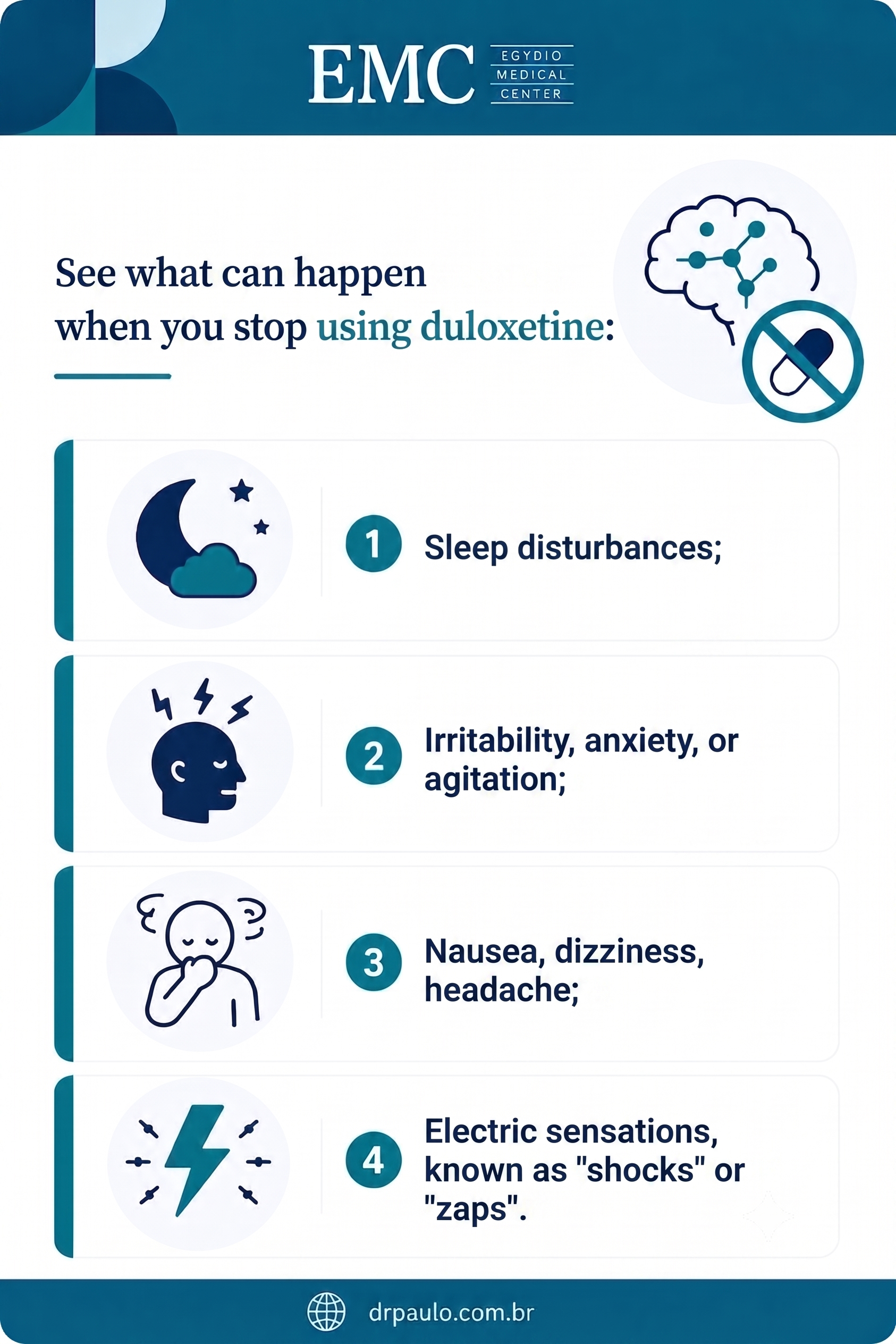
Stopping duloxetine without medical guidance can cause withdrawal symptoms and worsen the condition that prompted treatment. This happens because the medication acts on the brain’s chemical balance, and the body needs time to adapt to the reduction or discontinuation of medication.
Erectile dysfunction can have other causes
| Category | Examples | How it can affect erection |
|---|---|---|
| Psychological factors | Performance anxiety, stress, relationship problems, and low self-esteem | Can interfere with sexual arousal, desire, and the ability to maintain erection |
| Physical factors | Diabetes, cardiovascular disease, obesity, hormonal disorders, neurological problems, and kidney disease | Affect blood flow, hormones, or nerve signals necessary for erection |
| Substance abuse | Conventional cigarettes, electronic cigarettes, alcohol, and illicit drugs | Impair blood circulation and can compromise sexual response |
| Duloxetine and sexual effects | Duloxetine use | Can cause sexual side effects, such as decreased libido and erectile difficulty; medical evaluation is important to identify the cause of symptoms and define appropriate treatment |
When to seek medical care
A man should consult a urologist when erectile difficulty is frequent, there is a reduction in morning erections, or changes in libido and ejaculation occur.
With specialized medical care, it is possible to investigate the causes of erectile dysfunction and start appropriate treatment for each case.
Fill out the pre-analysis form to schedule a consultation with Dr. Paulo Egydio, a urologist specialist in erectile dysfunction treatments.