
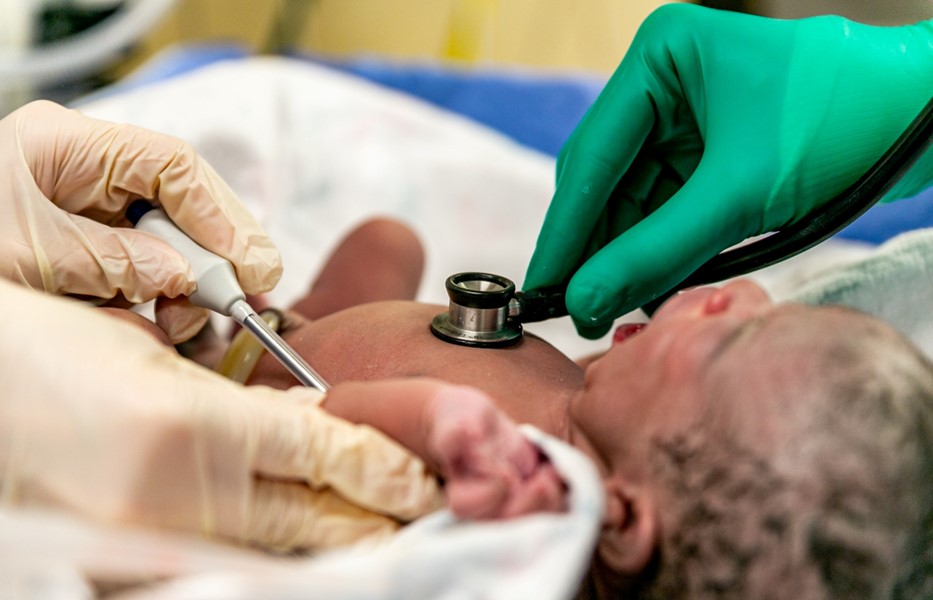
Cryptorchidism is a condition in which the testicles do not migrate from inside the abdomen to the scrotal sac.
This usually happens around the 28th week of pregnancy, but hormonal factors, among others, can prevent this movement. Below, learn about cryptorchidism and its complications.
What is cryptorchidism?
Cryptorchidism occurs when the testicles, instead of reaching the scrotal sac, remain at some point in the inguinal canal. Very rarely, they may be located outside this pathway (ectopic testicle).
There are two types of cryptorchidism: unilateral and bilateral. The differences are:
- Bilateral: when both testicles are absent from the scrotum;
- Unilateral: when one testicle is absent from one side of the scrotum.
The condition may be associated with factors such as hernias, lower abdominal malformations, hypothalamic-pituitary dysfunctions, hypospadias, and micropenis.
Premature and low birth weight babies also tend to be born with undescended testicles.
As a result, children may experience testicular pain if there is an inflammatory process.
Another relevant issue is that, since the testicles need to be about 1.5°C below body temperature, and excessive heat damages sperm, this condition can impact male fertility over time.
In addition, asymmetrical appearance may become a concern and bring psychological distress over the years.
Causes of cryptorchidism
The causes of cryptorchidism are diverse, including a history of cryptorchidism, prematurity, and testosterone deficiency during pregnancy.
Maternal exposure to toxic substances, such as pesticides, may also contribute to this testicular problem.
Cryptorchidism in adults results from the absence of early diagnosis or surgical correction.
Diagnosis
The diagnosis of pediatric cryptorchidism is made through physical examination by the physician.
Tests to measure hormone levels, ultrasound, or CT scans may be requested according to the clinical need identified by the professional.
The ideal age for surgical correction is between 6 months and 1 year, according to the Brazilian Society of Pediatrics.
In children older than 1 year, corrective surgery for undescended testicle is indicated after diagnosis, also according to SBP.
Surgery for undescended testicle
Surgery for undescended testicle should be performed if the boy is older than 1 year and the testicles have not descended.
The treatment, known by urologists as orchiopexy surgery, aims to position the testicles in the scrotal sac.
The procedure is performed under anesthesia, and the physician makes a small incision in the scrotal sac, groin, or abdomen, depending on the location of the testicles.
The surgery is generally considered a low-complexity procedure in most cases, and many children are discharged the same day, depending on medical assessment.
However, the incision site requires proper hygiene to prevent infections. 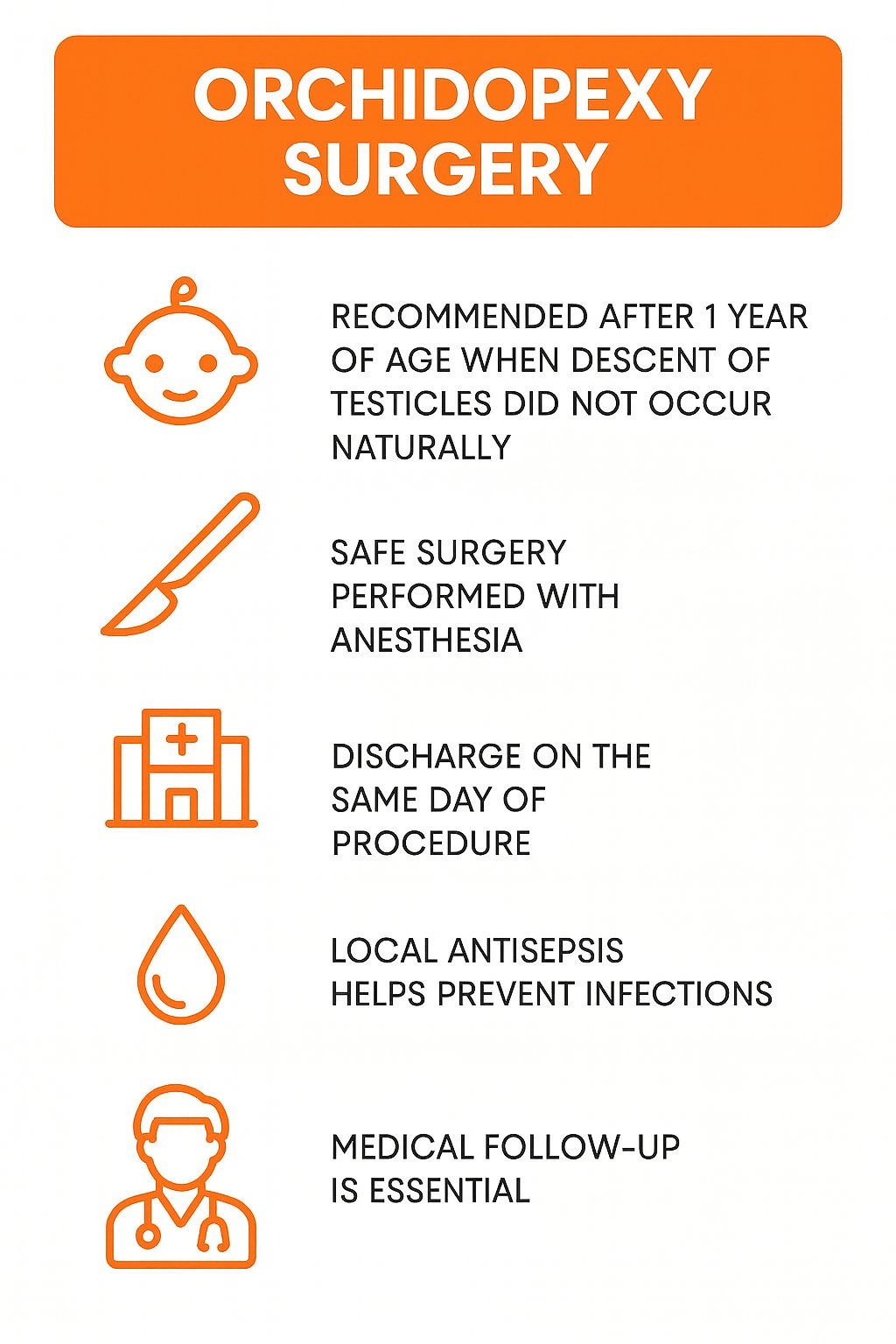
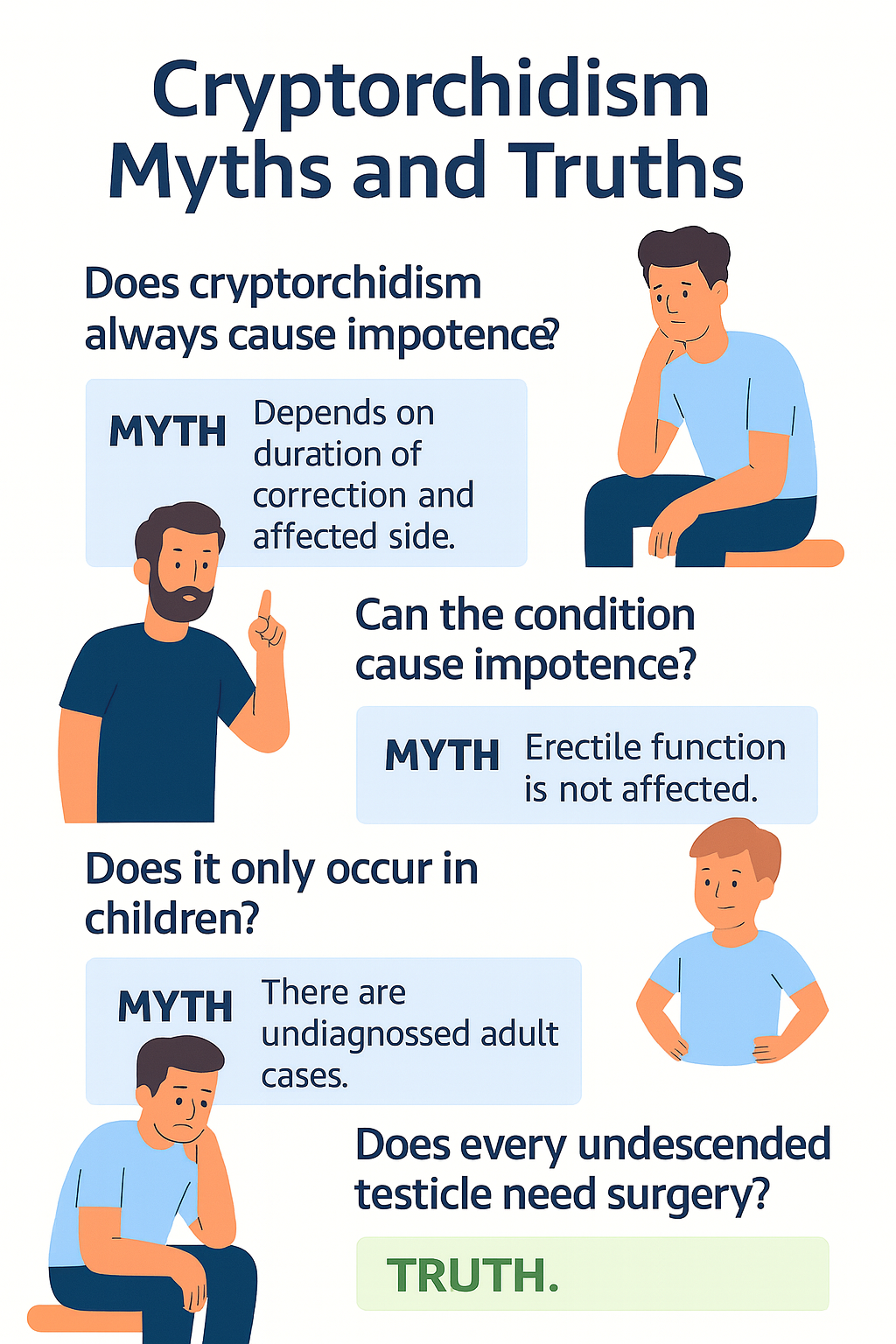
Cryptorchidism myths and facts
Complications of untreated cryptorchidism
Male infertility
The relationship between cryptorchidism and infertility occurs because abdominal temperature is higher, compromising testicular and sperm health.
Increased risk of testicular cancer
Cryptorchidism is associated with an increased risk of testicular cancer over a lifetime, because the testicles remain trapped in the abdomen or groin.
These environments have higher temperatures than the scrotum, which can damage testicular cells.
The risk exists even after cryptorchidism surgery, especially if the procedure is performed after 2 years of age.
More men’s health content on Dr. Paulo Egydio’s channel
Cryptorchidism increases the possibility of infertility and testicular cancer, but with proper diagnosis and treatment these complications may be reduced. Information is the first step toward a healthy life.
Subscribe to Dr. Paulo’s YouTube channel and follow exclusive men’s health content produced by a specialist.