

Erectile Dysfunction After 50: How Ageing May Affect Sexual Health
At what age can erectile difficulties begin? The answer varies, but some men may notice changes in erection from around age 50. Age is only one of several factors associated with erectile dysfunction.
According to the Brazilian Sexual Life Study (EVSB), the prevalence of erectile dysfunction in the age group between 50 and 59 already reaches about 30–35% of men.
Younger men can also present the condition, but the likelihood increases with age. After age 70, about half of Brazilians have difficulty getting or maintaining an erection at the crucial moment, according to the study.
Countries such as the United States also seek to understand at what age men experience changes in erectile function, and have observed patterns similar to those in Brazil.
A study examined the association between erectile dysfunction and aging in a Boston community. The data, collected in 2007, indicated that difficulty achieving an erection occurs in 10% of men aged 30–39, increasing to 59% of men aged 70–79.
A previous 1994 study on male aging in Massachusetts, in the United States, revealed that erectile dysfunction affected 52% of men aged 40–70.
The studies on erectile dysfunction show that advancing age and difficulty achieving an erection go hand in hand. Over time, older men are more prone to health conditions that affect erection.
Continue reading and learn about measures that can contribute to sexual health after age 50.
Erectile Dysfunction After 50: Hormonal Factors and Sexual Desire
Reduced testosterone levels may contribute to lower sexual desire and can be one factor associated with erectile dysfunction.
Testosterone helps regulate sexual desire and supports tissue function. Studies suggest that testosterone levels among men aged 50 to 70 are about 50% lower than among men aged 20 to 40.
Total blood testosterone varies according to age. Blood tests ordered by the doctor indicate the amount of the hormone in the body.
Age-related erectile difficulties may also be associated with the the medications a patient is taking.
Some medications used in the treatment of diabetes, hypertension, Parkinson’s disease or heart problems may be associated with changes in erectile function. This possibility should be evaluated individually, taking into account the medication, health status and other relevant clinical factors.
Symptoms of erectile dysfunction can also be worsened in people undergoing treatments that require chemotherapy and pain-reducing medications.
Psychological conditions such as depression, anxiety and chronic stress also affect the quality of the erection.
If there is doubt about a possible relationship between the medication in use and changes in erectile function, the situation should be discussed with the physician responsible for follow-up. Doses should not be reduced, medications stopped, or substituted without clinical guidance, as these decisions depend on the condition being treated, the risks involved, and the available alternatives.
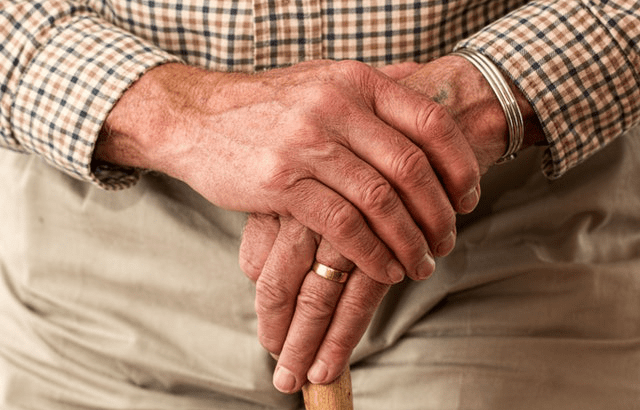
At What Age Can Erection Changes Occur?
In what age range can occasional erection problems develop into erectile dysfunction that may require treatment?
It is helpful to distinguish that the range of issues in male sexual health includes, broadly, three areas:
- Reduced sexual interest;
- Emotional factors that can affect sexual activity;
- Erectile function (that is, the ability to achieve and maintain an erection).
Organic and emotional problems related to sexual function can affect younger men. Observational studies indicate that the prevalence of erection difficulties tends to increase with age, although assessment should consider cardiovascular, metabolic, hormonal, psychological, behavioral and medication-related factors.
A research conducted at Harvard involving approximately 30,000 men found that in only 2% of participants, the difficulty began before age 40, and only 4% reported that it developed between ages 40 and 49. However, between ages 50 and 59, the number of men with the problem abruptly increased to 26% and reached 61% after age 70.
The findings suggested that, although libido may also decrease with age, sexual desire was generally better preserved than erectile function.
How to Support Sexual Health as You Age
Some lifestyle changes can contribute to cardiovascular, metabolic, and sexual health. However, they cannot determine or guarantee until what age a person will maintain sexual activity or erectile function; appropriate measures should consider health status and the needs of each case. Among the strategies commonly discussed are:
- Engage in regular physical activity: around 40 minutes of moderate-to-vigorous aerobic exercise four times a week may support cardiovascular health and, consequently, erectile function. Examples include running, swimming, cycling, brisk walking or resistance training combined with aerobic exercise.
- Maintain a healthy weight: Maintaining a weight compatible with health can be part of a global strategy to prevent and control risk factors. In some people, a moderate weight reduction may be associated with improvements in health parameters, but goals and how to achieve them should be defined according to clinical assessment and individual conditions.
- Follow a balanced diet: a dietary pattern with vegetables, fruit, whole grains, fish and sources of unsaturated fats, combined with moderation in the consumption of red and processed meats, may be part of an approach favorable to overall health. Food choices should be adapted to each person’s needs, clinical conditions and preferences.
- Strengthen the pelvic floor with exercises: the Kegel exercises can be considered in selected situations, provided that technique, intensity and frequency are adjusted to individual needs. When there are symptoms or doubts about execution, guidance from a qualified professional may be helpful.
Preventive follow-up may be recommended according to age, personal and family history, symptoms and the risk factors of each person. The need for hormonal tests, urological evaluation or cardiovascular investigation should be defined by the physician in the appropriate clinical context, and it is not possible to ensure that these measures prevent changes in erectile function.
Questions About Erectile Dysfunction?
Treatments for erectile dysfunction and tips for quality sexual health are some of the main interests of men who seek Dr. Paulo Egydio.
Urological evaluation of changes in erectile function should be conducted with careful clinical assessment, respect for privacy and attention to the person’s concerns. The consultation can help clarify factors associated with the symptoms and discuss options for follow-up or treatment, when clinically indicated.
When clinically appropriate, the approach can be individualized and consider physical, emotional and relational factors relevant to the person. The participation of the partner can be discussed if the person so wishes and if it contributes to the care process.
Persistent changes in erectile function may justify a health evaluation, taking into account their possible relationship with physical, emotional or relational factors. General information through digital channels does not replace an individual consultation; when necessary, the contact with a clinic or a physician can be used to obtain clarifications about scheduling an evaluation.
Learn more:
09 Main Causes of Erectile Dysfunction in Men and How It May Be Treated
How to Improve Erection: 12 Practices That May Support Firmer Erections
Medication-Induced Erectile Dysfunction: Available Treatments
5 Supplements for Male Libido: What Studies Suggest
Sexologist or Urologist: Which Specialist to See First?
Penile Pump and Penile Injections