Penile rehabilitation is a treatment to recover the function and structure of the penis after problems or treatments that affect erection.
Penile rehabilitation is a procedure that aims to support the recovery of erectile function after treatments that may compromise functionality, such as prostate removal.
This therapy uses methods such as stretching exercises, vacuum devices, oral and injectable medications, and, as a last resort, penile prosthesis.
Below, understand the step-by-step of how to do penile rehabilitation and the indication for each method.
When is penile rehabilitation indicated?
Penile rehabilitation is indicated after surgeries and other treatments that may damage the nerves linked to erection. See one of the main cases:
After prostate surgery
Penile rehabilitation after radical prostatectomy — prostate removal — may be necessary because the nerves responsible for erection are located near the prostate and can be affected during surgery.
In addition, prostatectomy can impair blood circulation and reduce the elasticity of penile tissues.
Post-prostatectomy rehabilitation and other prostate surgeries can contribute to improving tissue circulation and elasticity, with the potential to support the recovery of erectile function.
Cases of erectile dysfunction
Penile rehabilitation is part of the treatment for impotence after radiotherapy and chemotherapy, as these methods can damage nerves and blood vessels and reduce the blood flow necessary for an erection.
Men undergoing hormone therapy can benefit from rehabilitation, as it can contribute to improving circulation and supporting the recovery of tissue flexibility.
Other clinical indications
Peyronie’s Disease, testicular cancer surgery, and urethral reconstruction also indicate penile rehabilitation.
This condition forms fibrous tissue that curves the penis and, in more severe cases, can be associated with pain and erectile dysfunction. Stretching exercises can contribute to improving oxygenation and potentially supporting the improvement of the curvature.
Testicular cancer and urethral reconstruction surgeries can affect nerves, blood vessels, and erectile tissues, making erection difficult after treatment.
In these cases, penile rehabilitation can contribute to improving circulation and potentially supporting the quality of penile tissue.
How to do penile rehabilitation: methods used
Penile rehabilitation uses stretching exercises, penile injections, vacuum devices, vasodilator medications, and, in some cases, penile implants. Below, understand how each method works.
Stretching exercises
Stretching exercises improve flexibility and blood circulation. With the penis flaccid, gently hold the glans and pull it away from the body. Hold the position for 10 to 15 seconds and repeat the movement in different directions for 5 to 10 minutes.

Penile injections
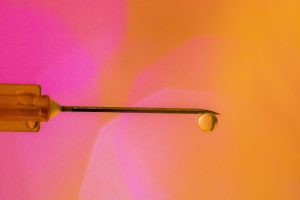
Penile injections are indicated for those who do not respond to oral medications. The patient applies the medication directly into the corpora cavernosa, 5 to 20 minutes before sexual stimulation.
Use should not exceed three times a week, and it is important to alternate the sides of the application to avoid fibrosis. Options include prostaglandin, phentolamine, papaverine, or atropine. The doctor may combine these substances into formulas such as bimix, trimix, or quadrix, according to the patient’s needs.
Vacuum devices
There are two types of vacuum devices: manual and automatic.
The manual pump uses a tube in which the penis is inserted to create pressure and increase blood flow in the corpora cavernosa. Some models include a ring, which should be placed at the base of the penis and removed after the erection.
The automatic model follows the same principle, but the user only adjusts the pressure level, and the device performs the suction. The continuous use of these devices improves oxygenation, preserves penile tissues, and contributes to blood flow.
Vasodilator medications
Vasodilator medications, such as sildenafil and tadalafil, can contribute to penile rehabilitation by enhancing the effect of nitric oxide, which relaxes blood vessels and can facilitate the entry of blood, with the potential to support the quality of erections.
These medications act as erection facilitators and depend on sexual stimulation to take effect.
Penile prosthesis implant
The penile prosthesis implant is indicated for severe cases of erectile dysfunction caused by surgeries, chemotherapy, radiotherapy, or changes in the anatomy of the penis.
This procedure aims to support erectile function by providing rigidity through a mechanical system. When the specialist correctly indicates and monitors the treatment, the penile prosthesis can present satisfactory results and the potential to support the patient’s quality of life.
What is the frequency and duration of treatment?
The penile rehabilitation time varies according to the method and the clinical condition, but recovery can take up to 36 months. The frequency also depends on the technique used.
Vasodilator medications and vacuum devices can be used daily. Intracavernosal injections, on the other hand, should be applied up to three times a week.
How long to see results?
Some changes can be observed in about 4 weeks, but recovery can take a longer period.
Studies on penile rehabilitation after prostatectomy indicate that recovery can take a period of several years. To better understand the effectiveness of the treatment, see the table below with important factors to consider:
| Realistic expectations | Influencing factors |
|---|---|
| Having realistic expectations avoids frustrations and reduces the risk of abandoning treatment. | The earliness and consistency of the treatment directly influence the results — the earlier it starts and the greater the regularity, the higher the chances of recovery. |
| It is not always possible to return to the previous pattern of erection, and the goal is to recover erectile function as much as possible. | Men under 65, non-smokers, and without associated conditions, such as diabetes, tend to progress faster. |
| It is also important to understand that rehabilitation can take from a few weeks to years. | The preservation of erectile nerves in pelvic surgeries also increases the chances of success. |
Why is medical follow-up essential?
Medical follow-up avoids wasting time with generic approaches that can hinder recovery.
This monitoring allows adjusting clinical strategies according to age, type of surgery, degree of erectile function, and other conditions, bringing more safety and better results.
Fill out the pre-analysis form to schedule your consultation with Dr. Paulo Egydio, a specialist in penile rehabilitation.