

To avoid premature ejaculation in men, it is important to control anxiety, adopt healthy habits, strengthen the pelvic floor, and treat possible physical or emotional causes.
Premature ejaculation is characterized by ejaculation that occurs recurrently within the first few minutes after penetration begins, usually between 1 and 2 minutes. This condition can affect self-esteem, generate anxiety, and cause relationship difficulties.
The causes of this sexual dysfunction are varied and include psychological factors, health conditions that alter genital sensitivity, hormonal imbalances, and even the use of certain medications.
However, premature ejaculation can be treated successfully in many cases. Below, find out which habits can help with ejaculation control and the available treatments for men with this diagnosis.
What is premature ejaculation?
Premature ejaculation is the lack of control over ejaculation. In this condition, semen release occurs between 1 and 2 minutes after penetration, or even before sexual intercourse begins.
Some men may also experience difficulty controlling ejaculation during masturbation, reaching climax shortly after stimulation begins. This is common in men who have become accustomed to a pattern of rapid movements.
When is premature ejaculation considered a problem?
The difference between occasional and persistent episodes of premature ejaculation lies in the frequency of the event.
Rapid ejaculation is considered a problem when it becomes persistent and occurs in all attempts at sexual activity, including masturbation, causing damage to self-esteem, frustration, and relationship difficulties.
What is the difference between occasional and persistent episodes?
An occasional failure of ejaculation control is considered normal and can happen during moments of anxiety, stress, and fatigue. High excitement and long periods without sex can also cause a man to ejaculate more quickly.
On the other hand, premature ejaculation is a recurrent pattern where climax is reached quickly, shortly after penetration or before that moment, and also during masturbation. In addition to frequency, the condition is accompanied by emotional factors, including negative experiences associated with trauma.
What are the causes of premature ejaculation?
Although anxiety can contribute to premature ejaculation, the causes of rapid ejaculation also include other psychological issues, physical health conditions, and even addictions. Check it out:
- Stress, anxiety and depression;
- Dissatisfaction with body image;
- Unrealistic expectations about sexual performance, often caused by pornography addiction;
- Uncontrolled diabetes affects nerves, including those involved in sexual function, including ejaculation;
- Erectile dysfunction;
- Inflammation of the prostate, such as prostatitis;
- Low testosterone;
- Low prolactin;
- Reduced serotonin levels, because it helps regulate arousal and ejaculatory control;
- Medications for hormonal disorders, opioid analgesics (morphine), and antipsychotics;
- Consumption of tobacco, alcohol, and other drugs.

How to avoid premature ejaculation
There are practical measures that can reduce the frequency of premature ejaculation episodes and promote sexual and emotional health.
1st – Control performance anxiety
Performance anxiety is characterized by excessive worry about sexual performance. It can be related to negative past experiences, unrealistic expectations, low self-esteem, concerns about appearance, and other emotional factors. Some strategies can help:
- Seek specialized help: treatment is usually multidisciplinary and may involve a urologist, sex therapist, and psychologist, depending on each case’s needs.
- Invest in communication with your partner: maintaining open dialogue about doubts, fears, and expectations helps create a welcoming environment, reduces pressure, and strengthens trust between the couple.
- Practice relaxation techniques: deep breathing exercises, meditation, and yoga can help reduce anxiety in general, promoting greater well-being during sexual life.
- Adopt healthy habits: maintaining balanced nutrition, practicing physical activity regularly, avoiding excessive alcohol consumption, and not smoking are measures that contribute to sexual health and quality of life.
2nd – Develop body awareness
Body awareness consists of perceiving physical sensations and the level of arousal during sexual intercourse, identifying the signals that precede ejaculation. With this perception, it becomes easier to slow down stimulation and apply techniques that help prolong intercourse and increase control of sexual response.

3rd – Learn to control arousal
Observing signs such as increased muscle tension, accelerated heart rate, and intensified pleasure allows you to recognize when arousal is close to the point of inevitability of ejaculation.
At these moments, reducing pace, varying movements or positions, and controlling breathing can help prolong intercourse. With practice, these strategies also reduce anxiety and increase confidence.
4th – Adopt healthy habits
Lifestyle directly influences sexual health. Regular physical activity helps reduce stress and anxiety, while also improving physical conditioning and body perception.
Getting good sleep is also essential. Sleep deprivation promotes stress, irritability, anxiety, and can alter the brain’s response to sexual stimuli.
A diet rich in fruits, vegetables, legumes, proteins, and whole grain cereals provides important nutrients for hormonal production, blood circulation, nervous system function, and physical disposition.
Do exercises help prevent premature ejaculation?
Exercises can help with treatment by strengthening pelvic floor muscles and improving body perception.
Pelvic floor exercises
The pelvic floor is formed by muscles, ligaments, and tissues that support the urinary and reproductive organs.
Sedentary lifestyle, obesity, and aging can weaken this musculature, compromising different functions, including ejaculatory control.
Therefore, Kegel exercises are often recommended as complementary therapy during treatment. Ideally, they should be performed under the guidance of a specialized physical therapist. 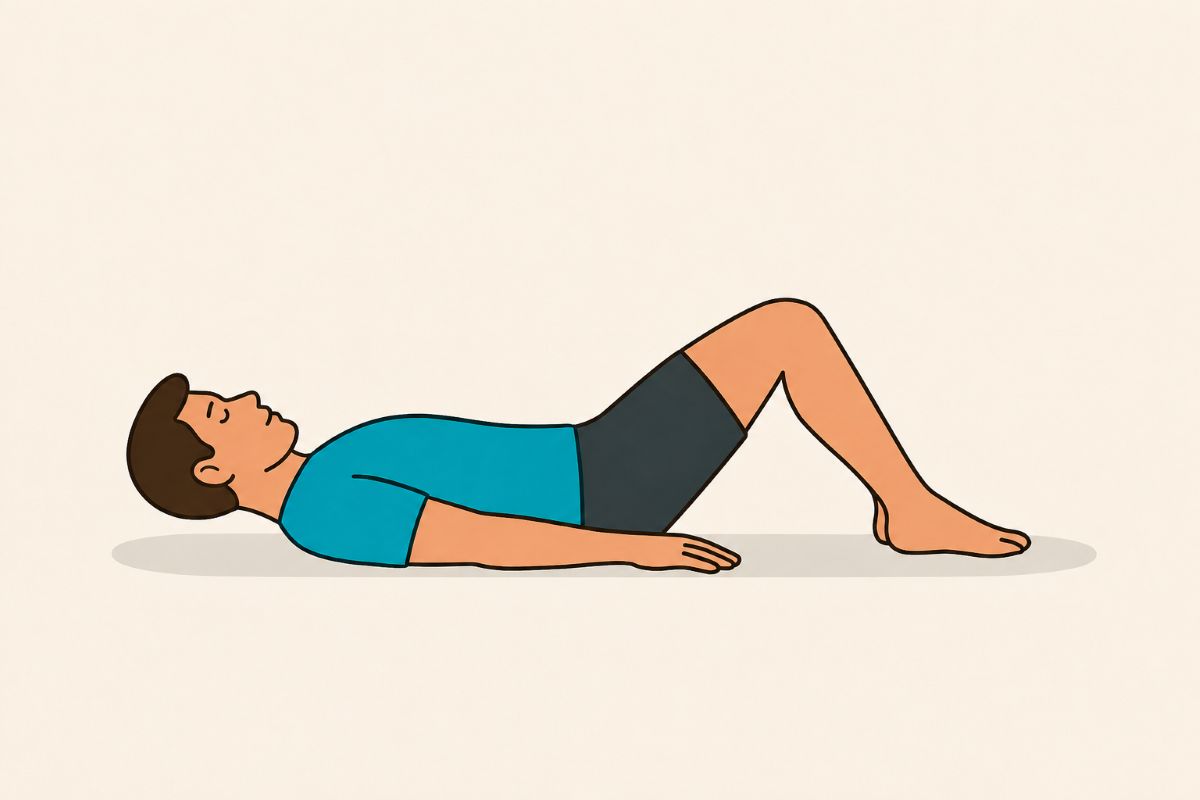
Techniques to control ejaculation
Some behavioral techniques can help develop greater control during sexual intercourse.
Stop-start technique
Also known as “stop and restart,” it consists of stimulating the penis until just before orgasm and interrupting stimulation for a few moments.
Repeating this process helps the man recognize the signals that precede ejaculation and prolong intercourse.
Compression technique
In this technique, stimulation is also interrupted just before orgasm. Then, a light pressure is applied to the glans, positioning the index finger on the lower part and the thumb on the upper part, for about 30 seconds.
The goal is to temporarily reduce arousal before resuming stimulation.
Breathing control
As arousal increases, breathing tends to become shorter and more accelerated, which can promote ejaculation.
Breathing in a slow, deep, and rhythmic manner helps reduce tension, increase body perception, and maintain greater control over sexual response. Therefore, breathing exercises are frequently used as a complement to treatment.
Habits that help improve ejaculatory control

What treatments can help?
Treatments to prevent premature ejaculation
| Treatment | How it can help |
|---|---|
| Sex therapy | Helps identify and treat psychological factors, such as performance anxiety, stress, and relationship difficulties that may contribute to premature ejaculation. |
| Pelvic physical therapy | Strengthens and improves control of pelvic floor muscles, contributing to greater ejaculatory control. |
| Medications prescribed by a doctor | Can help delay ejaculation. Some examples include dapoxetine, sertraline, paroxetine, and fluoxetine, always under medical guidance. |
| Treatment of associated causes | Controlling conditions such as anxiety, depression, prostatitis, hormonal changes, or erectile dysfunction can significantly improve symptoms. |
When to see a urologist?
It is recommended to see a urologist when premature ejaculation becomes recurrent, causes emotional distress, or begins to impact sexual life and relationships.
Medical evaluation is essential to identify the possible causes of the problem and indicate the most appropriate treatment for each case.
Fill out the pre-analysis form to schedule your consultation and discuss treatment options for premature ejaculation with a specialist.


