
Chronic diseases, hormone levels, addictions, psychological factors, and low testosterone can negatively affect men’s sexual health.
Struggling at the moment of sex can be a negative experience, but it can be understood and, in some cases, reduced by paying attention to habits that affect men’s sexual health.
The factors that cause erectile dysfunction can affect any man, at any stage of life. Many causes are related to physical and mental health conditions that can be properly evaluated and treated.
Understanding the habits that affect men’s sexual health is essential for adopting a lifestyle that supports sexual quality of life over the years. See what they are.
1. Physical inactivity and overtraining
Lack of regular physical activity can compromise male sexual performance, but excessive training—especially without proper rest—can also have an impact.
Overtraining is associated with lower testosterone, persistent fatigue, and reduced libido, affecting blood vessels, nerves, and hormones that are important during sex.
2. Excessive alcohol intake
Alcohol use directly affects the central nervous system, reducing sexual response, erection control, and desire.
Over time, alcohol can harm the liver, which metabolizes hormones such as testosterone. In this context, the relationship between alcohol and erectile problems is linked to a drop in the male sex hormone.
Chronic alcohol use may also cause delayed ejaculation and reduced sexual sensitivity.
3. Smoking
Cigarettes cause direct damage to blood vessels, narrowing arteries and reducing penile blood flow. Because erections depend on blood flow, not smoking is one of the main ways to support healthy circulation for erections.
The effects of smoking are progressive and cumulative. Young men who have never had issues can be at risk of developing erectile dysfunction, and long-term smokers have an even higher chance of experiencing erection difficulties.
4. Poor sleep quality
Poor sleep affects men’s hormonal health, because testosterone is produced mainly during deep sleep. Changes in sleep cycles can also affect energy, mood, and sexual response.
That is why men dealing with conditions such as insomnia and sleep apnea often report reduced libido and poorer quality morning erections.
Related: Weak erection: what to do to improve erectile function? See 6 tips and treatments
5. Chronic stress
Some situations are stressful, but dealing with persistent stress raises cortisol levels. As a result, the body stops prioritizing sexual response.
Accumulated, untreated stress can lead to reduced desire, erection difficulties, and loss of sexual interest. The impact of stress on sexuality can be felt even in young men.

6. Performance anxiety
Performance anxiety is one of the most common causes of psychogenic erectile dysfunction.
The effect of anxiety on sex life can become a vicious cycle: fear of failing increases anxiety, which in turn impairs sexual response.
7. Depression and mental health disorders
Conditions that affect mental health are associated with lower libido, less energy, and reduced interest in pleasurable activities, such as sex.
In addition, neurochemical changes directly affect the circuits of desire and motivation.
8. A diet high in ultra-processed foods
Eating ultra-processed foods in excess can contribute to chronic inflammation, insulin resistance, and vascular changes. These changes affect blood vessels, hormones, and energy metabolism.
Poor diet also contributes to obesity.
9. Deficiency of essential nutrients (zinc, magnesium, vitamin D)
Nutrients such as zinc, magnesium, and vitamin D play an active role in hormone production. Therefore, deficiency may reduce testosterone, leading to fatigue and low libido, which can compromise sexual performance.
10. Obesity and abdominal fat
Excess abdominal fat, more common in men with obesity, is associated with lower testosterone, which reduces libido.
Obesity is also linked to systemic inflammation and vascular impairment, which can affect erection quality over time.
11. Uncontrolled cardiovascular disease
Conditions such as hypertension, atherosclerosis, and dyslipidemia reduce blood flow throughout the body, including the penis. Inadequate blood supply can lead to difficulty achieving or maintaining an erection during sex.
Erectile dysfunction can even be an early sign that something is not right with cardiovascular health.
12. Diabetes
When not controlled, diabetes affects nerves and blood vessels—mechanisms that are essential for erections. That is why men with diabetes have a higher risk of erectile dysfunction.
Glycemic control is essential, because damage can increase over time and progressively affect sexual function.
13. Hormonal changes (low testosterone)
Testosterone is responsible for sexual desire and vitality, and it also plays an important role in erectile function. Low testosterone levels can affect libido and erection firmness.
Hormone levels naturally decline with age, but they can also be related to conditions such as obesity, diabetes, testicular disorders, and stress.
14. Excessive pornography use
Excessive pornography use is strongly discouraged. It can create unrealistic expectations about male performance, leading to anxiety during sex.
Pornography often comes along with masturbation. Together, they may desensitize the brain’s reward circuits, making day-to-day arousal more difficult.
15. Lack of adequate sun exposure
A study published in 2021 in the Journal of Clinical Medicine showed that low vitamin D levels are associated with a higher prevalence of erectile dysfunction.
Vitamin D contributes to endothelial function and vascular health. According to the authors, this relationship suggests that adequate sun exposure may influence men’s sexual health, since sunlight is the main source of this vitamin.
16. Excessive work and burnout
Long hours, constant pressure, and lack of rest can lead to physical and emotional exhaustion—burnout.
In this state, the body prioritizes basic functions and sets libido aside, compromising men’s sex life.
Related: How does excessive work affect sexual health?
17. Anabolic steroid abuse
Anabolic steroids, often used without medical supervision, can suppress the body’s natural testosterone production, which increases the likelihood of erectile dysfunction and even infertility.
Substances such as trenbolone can also have dangerous side effects that may persist even after discontinuation.
18. Certain medications that affect erections
Some antidepressants (SSRIs), antihypertensives (beta blockers, diuretics), and opioids may have side effects on desire, erections, and ejaculation.
19. Chronic pain
Chronic pain anywhere in the body—such as the spine, lower back, or neck—can affect overall well-being, disrupt sleep, and impair neuromuscular response. In addition, persistent pain keeps the body in a constant state of alert.
The effects of chronic pain on the nervous system and quality of life can also impact sexual health.
20. Lack of preventive medical follow-up
Not having regular checkups makes it harder to detect early conditions that can affect sexual health, such as hypertension, diabetes, and hormonal deficiency.
This care can also map risk factors, provide individualized guidance, and prescribe appropriate treatments for each case.
Related: Only 34% of men seek a urologist when symptoms appear, research suggests
21. Relationship conflict
Any type of tension in a relationship can directly affect sexual response. Lack of emotional safety may contribute to psychological erectile dysfunction.
22. Urinary tract infections and STIs
According to a study published in the International Journal of Impotence Research, recurrent urinary tract infections are associated with worse male sexual function due to local inflammation and pain.
STIs can trigger inflammatory processes that affect nerve function and penile blood flow, impairing erections. In addition, the emotional burden of dealing with an infection can increase anxiety and lead to avoidance of sexual contact.
23. Recreational drug use
Drug use can be harmful to sexual health, especially substances that affect the central nervous system, such as cocaine. This type of drug may initially increase arousal, but later it can lead to reduced blood flow and erection difficulties.
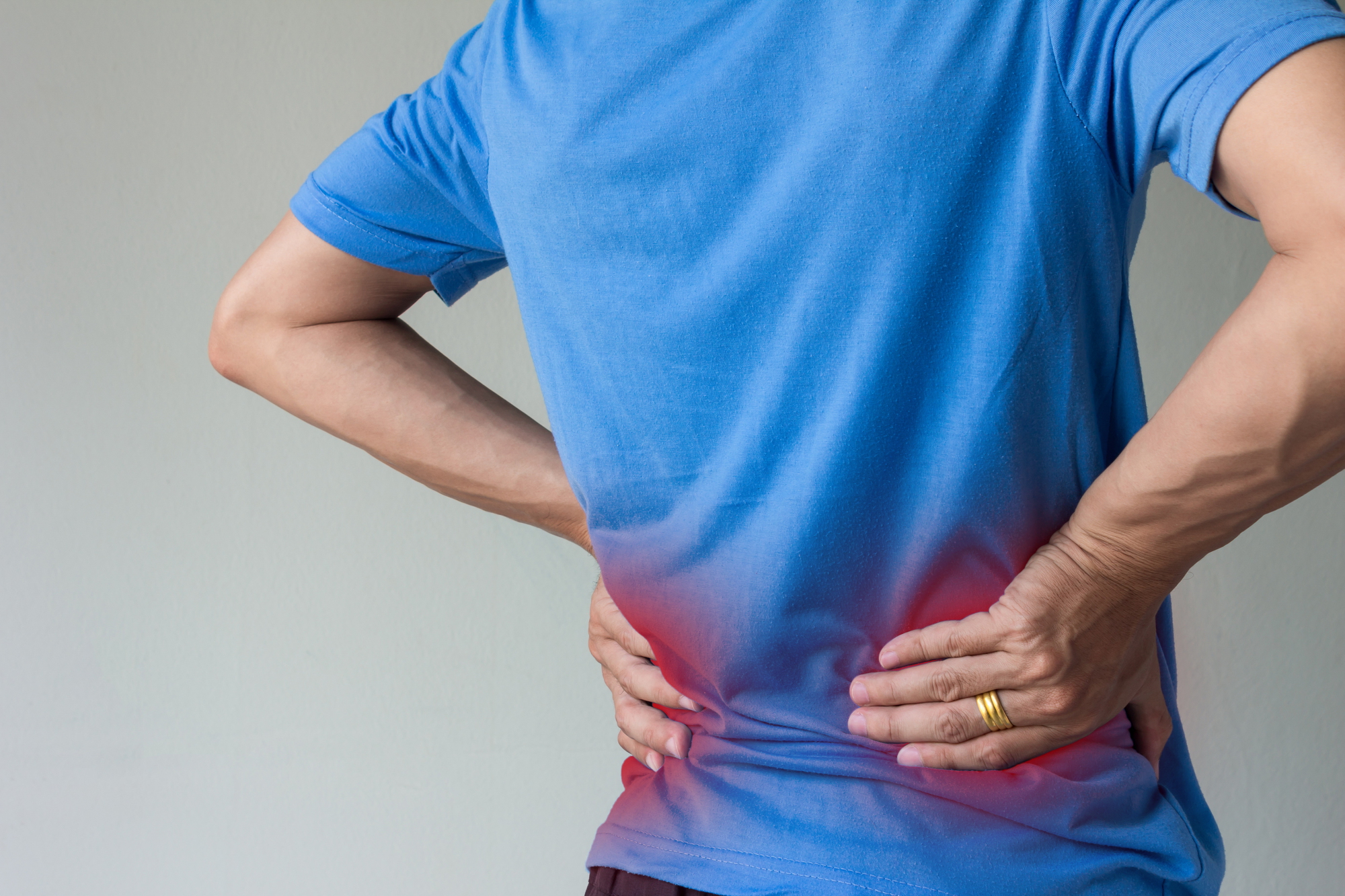
24. Poor posture and pelvic pain
Poor posture is among the habits that affect men’s sexual health, because it can cause muscle tension and chronic pelvic pain.
This condition can impact erection quality, ejaculation, and sex life overall.
How to improve men’s sexual health day to day
It is possible to reduce or change habits that harm erections. Learn how to build a healthier routine for sexual function based on evidence-informed guidance.
1. Build a regular exercise routine
Adding aerobic exercise (such as running, cycling, and walking) and strength training to your routine may improve circulation and hormone levels, supporting men’s sexual health.
It is important not to overdo training volume and intensity and to include rest, alternating activities.
2. Nutrition to support libido and circulation
A diet that supports sexual health is naturally balanced. It supports vascular and hormonal function and may reflect positively on libido and sexual response. To do that, include:
- Healthy fats: Found in olive oil, nuts, and omega-3-rich fish, which support blood circulation.
- Lean proteins: Lean meats, eggs, fish, and legumes, which support testosterone production.
- Fruits and vegetables: Rich in antioxidants and vitamins that protect arteries and help reduce inflammation.
Note: Ultra-processed foods can be consumed occasionally.
3. Healthy sleep habits
It is important to sleep at least 7 hours per night.
To support this, men should establish a sleep routine and create a comfortable, distraction-free environment for quality rest. In addition, it is best to avoid electronic devices before bedtime so they do not interfere with melatonin production.
4. Managing stress and anxiety
It is important for men to find strategies to deal with daily stress and anxiety while maintaining emotional balance. Sports or relaxation techniques may help.
It is also essential to set aside time for leisure and rest, either before or after work.
Finally, men may consider psychological support. Talking to a professional can help identify contributing factors and support management, preventing quality of life from worsening.
5. Avoid alcohol and cigarettes
Reducing or quitting smoking and drinking alcohol in moderation are important steps for preserving sexual function.
Quitting an addiction can be very difficult. One tip is to start by setting limits—for example, not smoking before sex and avoiding situations that trigger cravings, such as a happy hour.
6. Check cardiovascular health
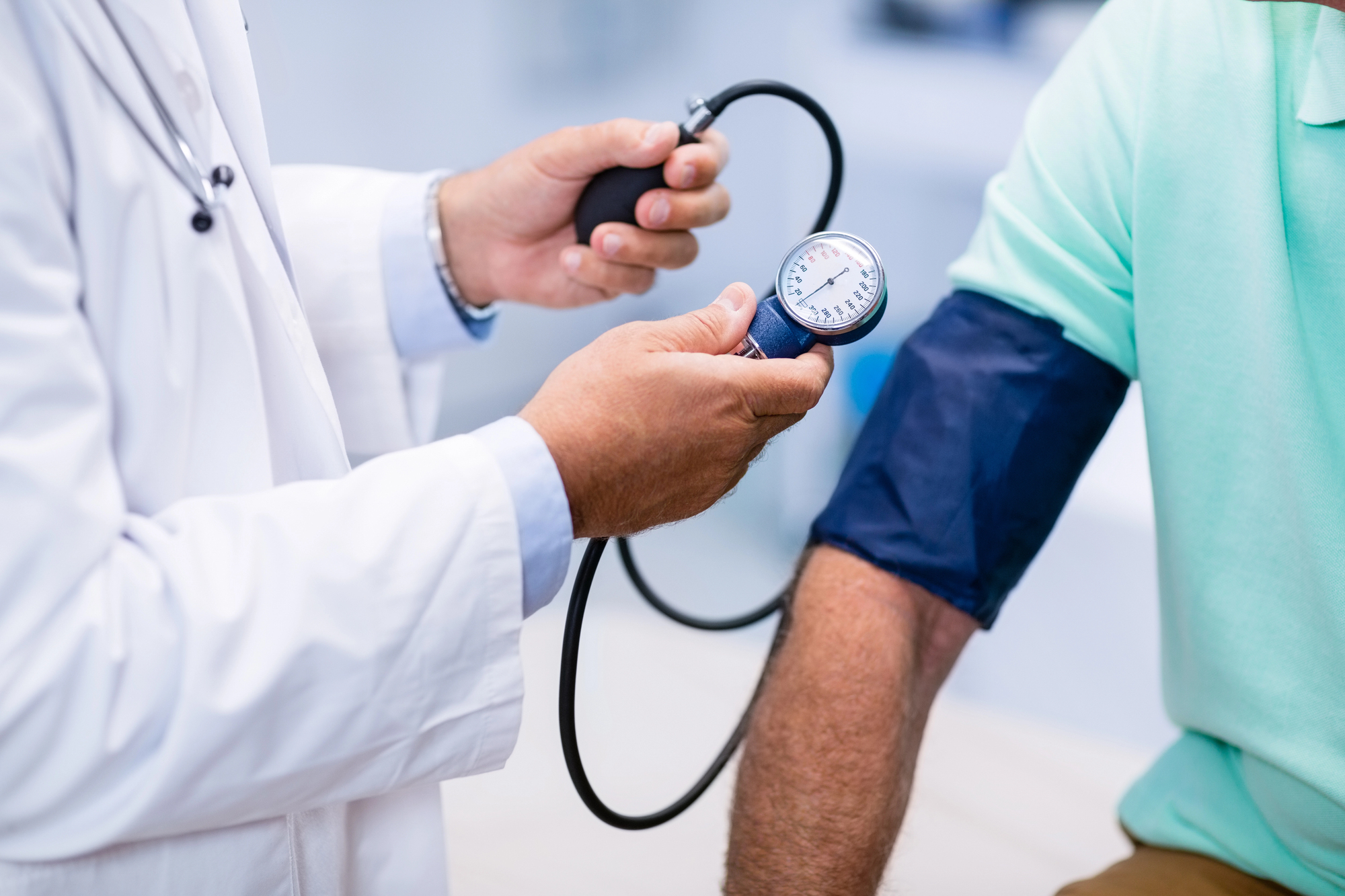
Checking cardiovascular health, including blood pressure, cholesterol, glucose, and family history, helps identify risks and guide prevention for the heart—and sexual health.
Ideally, men should see a primary care physician or a cardiologist annually, and follow the professional’s recommendations.
7. Hormone tests and urologist follow-up
Routine urologist visits are important for overall men’s health. A urologist can help with prevention, diagnosis, and treatment of conditions that affect sexual health.
Hormone tests may help identify imbalances before they cause more significant symptoms. Testosterone is one of the key points of attention.
When should you see a urologist?
If you notice changes during sex, do not ignore the signs. Seeking medical guidance can be an important first step to evaluating sexual health and quality of life.

Schedule preventive care with Dr. Paulo Egydio
Lifestyle, nutrition, sleep, emotional balance, and physical activity can influence sexual well-being over the years.
Many everyday factors that affect sexuality can be addressed with appropriate medical guidance. Dr. Paulo Egydio can evaluate your case and recommend an individualized plan.
An appointment allows the urologist to examine you and provide individualized guidance based on clinical assessment and your needs. In addition, he can treat conditions that may be affecting your sex life.
Get in touch to receive a preliminary assessment of your sexual health. Then schedule your appointment and discuss the most appropriate next steps for your case.
Saiba mais:
- What are the most common prostate diseases and their symptoms?
- Penis types: what they are, differences, myths, and curiosities
- Male masturbation: benefits and myths explained
- Male hormones that influence your health
- 10 tips to improve sexual performance
- What is ejaculation? Answers to your main questions
- What is andropause? Signs, symptoms, and treatments
- Meet the 4 main penile surgeries: are they effective?
- Penis anatomy: structure, erection, and ejaculation
- Top 10 penile diseases: what they are, how to identify, and how to treat
- Penis pain: 12 causes, symptoms, and treatments