

Diabetes and erectile dysfunction: healthy habits like a balanced diet and avoiding smoking can help reduce risk.
Erectile dysfunction is common in men with type 2 diabetes because the condition may lead to vascular complications that compromise erections.
Diabetes occurs when the body does not produce enough insulin or cannot use it properly.
This endocrine problem can damage blood vessels and nerves, affecting several body functions, including erectile function.
That is why many men with diabetes wonder whether metformin can cause sexual impotence.
Below we explain whether the medication is related to erectile dysfunction, along with other key points about diabetes and erection problems.
What are the consequences of diabetes?
When not well controlled, diabetes can be associated with sexual impotence and a number of serious health complications.
Major consequences include cardiovascular disease (such as hypertension and heart attack), kidney problems (diabetic nephropathy), nerve damage (diabetic neuropathy), and eye disease such as diabetic retinopathy.
In addition, diabetes can compromise blood circulation, leading to poor wound healing and a higher risk of amputations.
These complications arise from the long-term effects of excess blood glucose, which damages blood vessels and nerves throughout the body.
Why can diabetes cause sexual impotence in men?
According to a study on the relationship between diabetes and erectile dysfunction, the condition impairs sexual function mainly by compromising blood flow.
High blood glucose can lead to narrowing and hardening of the blood vessels (atherosclerosis) and nerve damage (neuropathy).
Both affect circulation and nerve signaling, resulting in difficulty achieving or maintaining an erection.
Diabetes can also contribute to other erectile dysfunction risk factors, such as hypertension and obesity, further aggravating the issue.
Does metformin cause sexual impotence in men?
Metformin is used to treat type 2 diabetes. A common question is whether metformin affects men’s sexual function.
One article on adverse effects reported a case of a 57-year-old man who developed erectile dysfunction two weeks after starting treatment.
He stopped the medication under medical guidance and his sexual function returned to baseline; when he resumed metformin, erectile dysfunction reappeared.
The authors concluded that metformin may cause sexual impotence in rare cases and that this effect can be reversible; clinicians should be aware of this possibility.
Is erectile dysfunction from diabetes curable?
Diabetes and sexual impotence can be treated, but outcomes vary according to disease control and severity.
Treatment can significantly improve erectile function in many cases; complete reversal may be difficult when there is extensive nerve or vascular damage.
Results are closely linked to consistent diabetes control and appropriate medical follow-up.
What clinical treatments are available for erectile dysfunction related to diabetes?
Erectile dysfunction related to diabetes has treatment options, including:
- Phosphodiesterase type 5 inhibitors (PDE5: Viagra, Cialis, Levitra): increase penile blood flow, are taken before sexual activity, and may be effective for many patients.
- Intracavernosal injection: injected directly into the penis to relax smooth muscle and increase blood flow; considered when oral drugs are ineffective.
- Testosterone replacement therapy: an option when testosterone levels are low (injections, patches, or gels).
- Vacuum erection devices: create a vacuum to draw blood into the penis; a constriction ring helps maintain rigidity.
- Penile implant surgery: considered when other treatments fail; inflatable or malleable prostheses provide a mechanical erection.
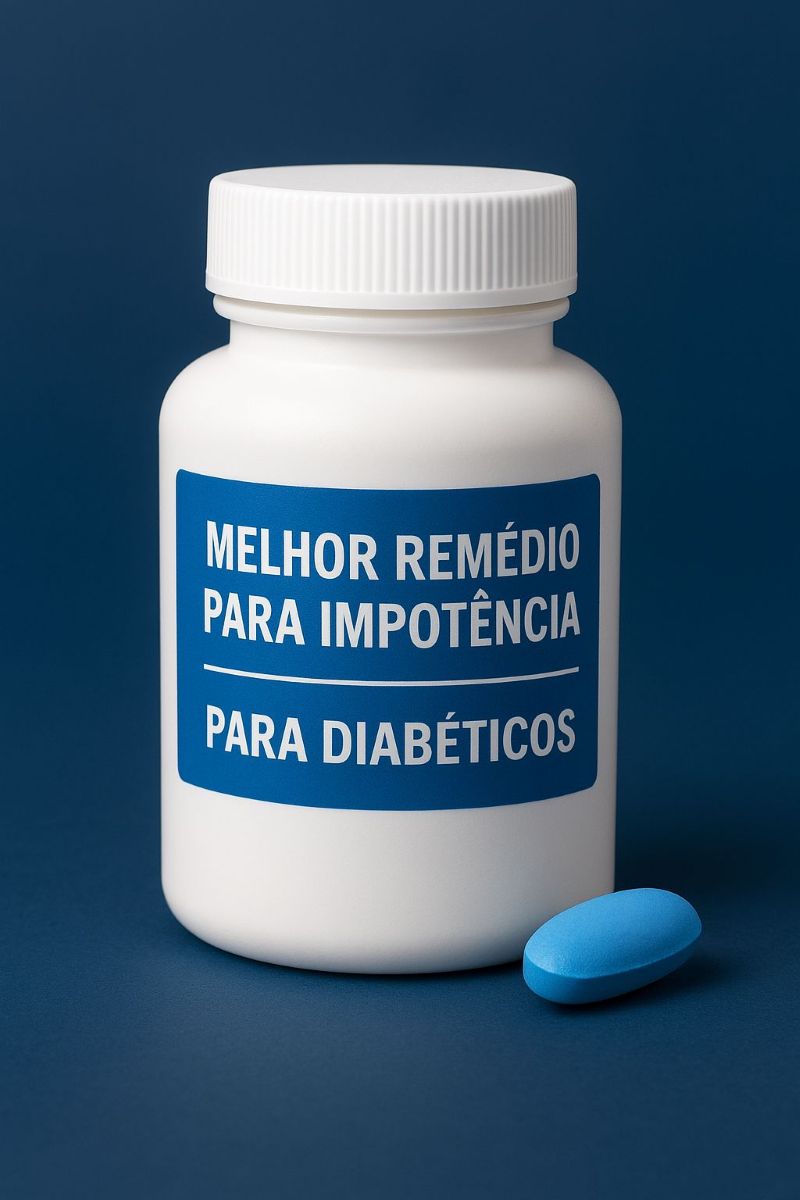
What is the best medication for impotence in people with diabetes?
A common question among men with diabetes and erection problems is which medicine works best.
Treatment often involves PDE5 inhibitors, including sildenafil (Viagra), tadalafil (Cialis) and vardenafil (Levitra).
These medicines help increase blood flow to the penis, supporting erections. The choice should consider each patient’s clinical history.
For example, some people with diabetes may use tadalafil—this is a joint decision between the urologist and cardiologist.
If oral medications are not effective, penile injections or vacuum devices may be recommended.
Surgical treatments for sexual impotence in people with diabetes
There are also surgical approaches. When a person with diabetes does not improve with medications or injections, penile reconstruction may be considered and, when indicated, a penile prosthesis can assist with rigidity and, in some cases, improve functional and structural aspects, depending on each clinical condition.
Diabetes can lead to penile changes such as decreased size, thinning, penile curvature and erectile dysfunction. These problems may interfere with sexual function and the ability to achieve adequate penetration.
Can diabetes reduce, thin, or curve the penis? Is there a solution?
Yes, diabetes can be associated with anatomical changes such as reduced size, thinning, or curvature (Peyronie’s disease). These changes relate to the long-term impact of diabetes on blood vessels and nerves.
Poor control may reduce tissue elasticity and lead to scar plaques, resulting in deformities and, in some cases, decreased penile length. These problems can be treated, but effectiveness depends on the severity of the changes and diabetes control.
Penile reconstruction for people with diabetes
Penile reconstruction may be indicated when diabetes causes loss of function or severe deformities.
Surgical options vary according to severity and may include curvature correction or a penile implant.
Regardless of technique, results depend on diabetes control and surgical expertise.
As an example of technique, the no-touch method avoids direct hand contact with the operative field, which may help reduce complications.
This matters because people with diabetes may have slower healing and higher infection risk.
Other measures that can be adopted to reduce risks include:
- Use of specific implants with antibiotic coating;
- If penile blood supply is low, vasodilators may be used with the implant to facilitate antibiotic delivery;
- If there is skin infection, treat it before surgery.
Can erectile dysfunction caused by diabetes be prevented?
Yes, prevention is possible, especially when diabetes is well controlled.
Keeping blood glucose within targets, exercising regularly, addressing mental health, eating a healthy diet, managing excess weight, avoiding smoking and limiting alcohol may help reduce the risk of erectile dysfunction.
Also watch for:
- premature ejaculation;
- hormonal imbalance;
- psychological factors such as stress and anxiety;
- blood glucose levels through lab tests;
- low libido;
- circulatory problems;
- adequate control of blood pressure and cholesterol.
Regular checkups help monitor overall health and tailor treatment as needed to prevent complications. Your doctor may order lab tests or other exams as appropriate.
In summary, erectile dysfunction related to diabetes can be treated—especially when the condition is controlled. With advances in clinical therapies, many patients experience improved sexual function and quality of life.
To prevent or minimize harm, keep glucose under control, adopt healthy habits and attend regular medical visits.
Ask your questions about erectile dysfunction on WhatsApp
Erectile dysfunction associated with diabetes can be treated, but results vary according to disease control and individual factors.
You can ask questions via the WhatsApp group.
Another contact option is the pre-analysis form to receive guidance by email.
Learn more:
- Male Self-Care: Why Is It Important for Health?
- Learn All About Enlarged Prostate: Causes, Diagnosis, and Recommended Treatments
- Does Stress Decrease Libido? Learn How to Identify and Treat It
- What Is Ejaculation? Answers to Your Main Questions
- Consequences of Male Sexual Abstinence and the Problems It Can Cause
- 10 Tips for Penis Care to Maintain Health and Prevent Infections and Diseases
- See What Causes Erectile Dysfunction and Available Treatments
- Prostate Surgery: What to Expect, Risks, and Recovery
- Gut Health and Sexual Function: The Connection