
Androgen Deficiency in Aging Males (ADAM), or andropause, is the reduction of testosterone production, which affects the physical and emotional health of men. Symptoms can be treated with personalized hormone replacement therapy, under medical guidance. Learn more.
Androgen deficiency in aging males affects the lives of many men starting from age 40, bringing challenges such as loss of libido, reduced muscle mass, and mood swings.
Did you know that these symptoms can be reversed with proper treatment? Although it is a common condition, ADAM is not as discussed as menopause.
Continue reading to discover how hormone replacement can transform your life, restoring vitality and confidence.
What is ADAM?
Androgen deficiency in aging males is the reduction in the production of testosterone, a hormone responsible for the development and maintenance of sexual characteristics.
Popularly known as andropause, this decrease does not affect all men and the incidence is more common after age 40. It is a hormonal issue, and individuals diagnosed with this condition suffer physical and emotional upheavals.
In men, androgen deficiency in aging males is the decline in testosterone levels, the main male hormone. Produced by cells in the testes, testosterone is responsible for:
- development of facial, pubic, and body hair;
- deep voice;
- sperm production;
- regulation of sexual function;
- development of bones and muscles.
What does ADAM affect?
Androgen deficiency in aging males affects the physical and psychological aspects of men. Symptoms vary because each individual presents different levels of alteration.
However, the most “classic” changes concern:
- lack of libido;
- erectile difficulty;
- mood swings;
- reduction of muscle and bone mass.
Mood swings resulting from ADAM affect mental well-being and impair romantic, family, professional relationships, and friendships.
At what age does androgen deficiency in aging males begin?
There is no standard age for the onset of declining sex hormones. To tell the truth, this can even happen in childhood, delaying puberty.
Clinical testosterone decline, that is, significant hormonal loss, occurs more frequently from age 40 onwards. It is estimated that the levels of this hormone drop by 1% to 2% per year and that this loss begins at age 30.

Another important aspect is that not all men go through clinical hormonal decline. The condition, also called male hypogonadism, is a slow and gradual drop in testosterone. The diagnosis and treatment are indicated by the urologist, a medical specialist in men’s health.
What are the causes of ADAM?
The causes of androgen deficiency in aging males are:
Gonadal Problems
Gonads are organs whose purpose is to produce sex hormones, both in humans and animals. In women, the gonads are the ovaries and in men, the testicles.
Changes in the gonads constitute primary hypogonadism. The conditions described below contribute to testosterone decline:
- genetic problems such as Klinefelter syndrome, which is an extra X chromosome in men;
- autoimmune diseases, kidney and liver failure;
- orchitis, inflammation of the testicles, caused by trauma, mumps, or bacterial infections;
- radiation therapy or chemotherapy.
Hypothalamus or Pituitary Dysfunction
Dysfunctions in the hypothalamus or pituitary, brain regions that regulate the activity of the gonads. This regulation is done by releasing substances that stimulate the production of sex hormones.
When a man has alterations in the hypothalamus or pituitary, secondary hypogonadism occurs, and this is related to testosterone reduction.
Lifestyle
An unhealthy lifestyle is also related to ADAM. Obese, hypertensive, diabetic, sedentary, smoking men who consume alcohol excessively are prone to a decline in male hormone levels.

Symptoms of ADAM in men
The symptoms of androgen deficiency in aging males vary according to the degree of hormonal level decline. However, the most observed are:
- mood changes (depression, anxiety, and irritability);
- fatigue;
- difficulty concentrating;
- memory loss;
- insomnia;
- anemia;
- reduction of muscle and bone mass;
- erectile dysfunction, low libido, difficulty achieving orgasm and ejaculation.
Other signs that testosterone is low include:
- increased body fat;
- decreased bone density;
- reduction of facial, pubic, and body hair.
In some cases, male infertility also occurs. This is because with the deficit of the main male hormone, sperm counts also drop.
Diagnosis
The diagnosis of androgen deficiency in aging males is made by the urologist. He is a specialist in men’s health and will evaluate the symptoms and request blood tests, among them:
- Total testosterone: measures the amount of testosterone produced;
- Free testosterone: measures the amount of testosterone available and absorbed by the body. Free testosterone is approximately 3% of total testosterone.
The professional may also request other tests:
- Magnetic resonance imaging or computed tomography, in case of suspected abnormalities in the pituitary or hypothalamus;
- Genetic testing if genetic conditions, such as the aforementioned Klinefelter syndrome, are suspected.
What is the recommended treatment for androgen deficiency?
Hormone replacement therapy is indicated only when the testosterone produced is less than 200 nanograms per deciliter of blood. Moreover, such a result must be coupled with the absence of sleep apnea, prostate cancer, and other issues.
When hormone levels are below normal and combined with the symptoms mentioned earlier, the urologist will initiate the replacement protocol.
The treatment for androgen deficiency in males is personalized. The most well-known types of hormone level replacement are:
Gel
This testosterone gel should be applied to the skin once a day. It should always be at the same time, preferably in the morning.
The skin must not be injured and the man needs to wash and dry the area (abdomen, shoulder, or arm) well before applying the medication.
Another guideline is to wait 3 to 5 minutes before getting dressed.
Patch
Patch application is similar to gel. The difference is that it should be positioned on the abdomen, shoulder, arm, or thigh.
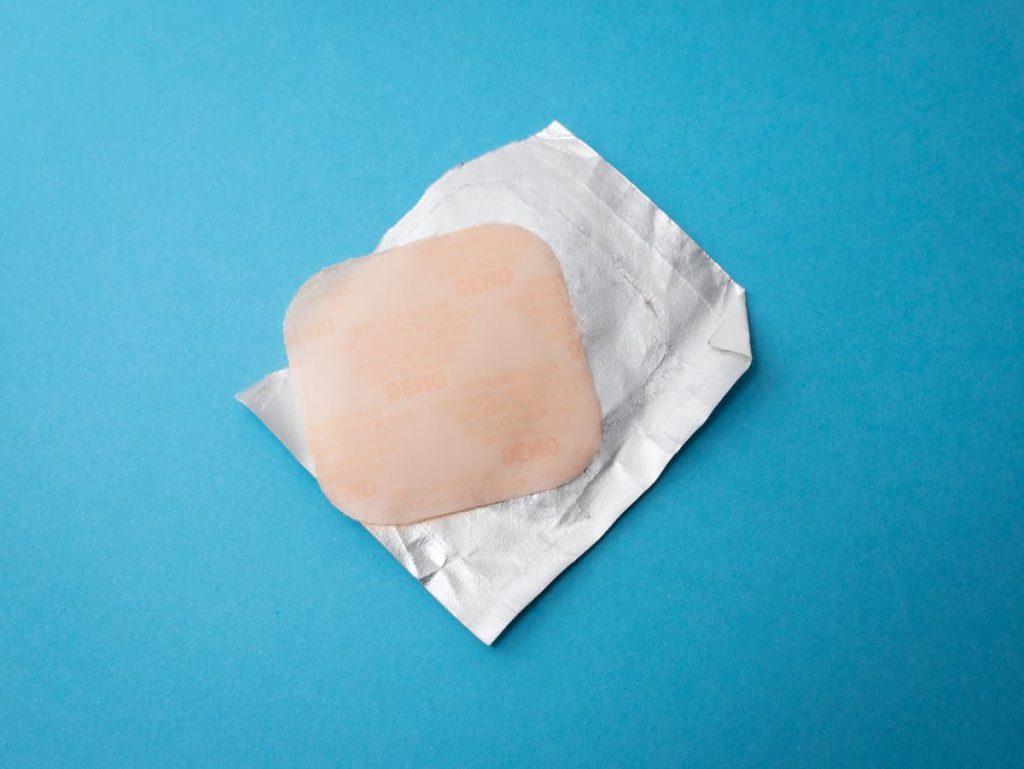
Implants
Testosterone replacement with implants is an outpatient procedure. In this case, the application, usually in the buttocks, occurs every six months.
Injection
If the indication is an injection, the application time varies: it can be every 15 or 21 days or every three months.
Pill
This form of replacement is not widely used. The reasons: it is not very effective and it may cause liver damage.
It is estimated that symptom improvement is noticeable in six months. With treatment, men experience increased morning erections, improved erections, and increased libido, leading to higher self-esteem.
However, medical follow-up is essential to check the effects of the treatment and whether adjustments are needed.
Do all men with ADAM need hormone replacement therapy?
Not all men with androgen deficiency in aging males need hormone replacement therapy. The need for treatment depends on the testosterone level and the presence of symptoms that affect quality of life.
Treatment is mainly indicated when the testosterone produced is low and the symptoms affect overall quality of life.
If you are experiencing low libido, fatigue, and mood swings, do not hesitate to seek help. Schedule a pre-analysis today with urologist Dr. Paulo Egydio and take the first step to regain your self-esteem.
Learn more:
- Sexual Health: Egydio Medical Center EMC
- How Not to Fail at the Right Moment? Tips to Avoid Impotence
- When Is a Penile Prosthesis Necessary in Curvature Surgery?
- What Causes Hormonal Disorders in Men? Find Out!
- Penile Prosthesis: Detailed Advantages and Disadvantages
- Penile Prosthesis Rejection: Risks and Cases
- Does prostate removal affect ejaculation? What changes in sexual life
- Penile Prosthesis Maintenance: Do I Need Frequent Replacements?