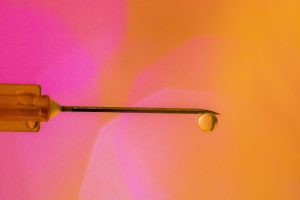

Priapism happens when the penis remains erect for more than 3 hours without sexual stimulation. The main causes are sickle cell anemia, leukemia, use of certain medications, or injuries.
An erection lasting more than three hours is unusual and may be associated with priapism, a condition that can cause pain, swelling, and changes in skin color. When not treated properly, priapism can progress to necrosis of the erectile tissue of the corpora cavernosa, bringing the risk of permanent damage.
Below, we will explain the causes of prolonged erection, available treatments, and associated risks.
When should a prolonged erection be evaluated?
How long does a normal erection last? There is no standard time defined by medicine.
However, a study published in The Journal of Sexual Medicine, with 500 heterosexual couples, observed that the duration varied between 5.4 and 44 minutes — considering the interval between the beginning of penetration and ejaculation.
The duration of the erection becomes a problem when it is too short, making sexual intercourse difficult, or when it persists for a prolonged time (for more than 3 hours), which may indicate a condition that requires medical evaluation.
What is priapism?
Priapism is a condition characterized by involuntary and prolonged erections, which can last more than three hours and cause pain.
In many cases, the glans remains less rigid. Imagine the situation: you are in a common moment of the day, without sexual stimulation, and the penis becomes erect — but, unlike usual, the erection does not decrease over time.
This condition is called priapism and requires medical attention. Unlike normal erections, priapism can be painful and is not related to sexual arousal. Even without stimulation — or after ejaculation — the penis remains erect, and not even pain is able to interrupt the erection.
Causes of prolonged erection
Some people have a greater predisposition to priapism. Diseases such as sickle cell anemia, leukemia, and other blood disorders can be associated with priapism.
In addition, the use of certain medications, such as antidepressants and antihypertensives, as well as injuries in the pelvic region, can also trigger the problem.
Types of priapism
There are three types of persistent erection:
- Ischemic priapism
- Intermittent ischemic priapism
- Non-ischemic priapism
According to the European Association of Urology, ischemic priapism — characterized by the reduction or absence of arterial blood flow — is the most severe and corresponds to about 95% of cases.
There are three main types of priapism: ischemic, intermittent ischemic, and non-ischemic. The ischemic type is the most frequent and usually the one with the greatest clinical urgency.
Ischemic priapism
Ischemic priapism is associated with blood diseases, such as sickle cell anemia and leukemia, in addition to trauma and use of medications, such as drugs for erection and some antidepressants.
In this condition, blood is trapped in the penis, with low oxygen level, which can lead to cell death. It is an erection that does not go away on its own and requires immediate medical attention.
Without treatment, it can cause erectile dysfunction, penile fibrosis and even necrosis.
Intermittent ischemic priapism
Intermittent, or recurrent, ischemic priapism is a rare condition characterized by repeated episodes of prolonged erections, usually lasting less than 3–4 hours. The main cause is sickle cell disease, which affects between 30% and 45% of men with this condition.
The treatment must occur within 4 hours to avoid complications such as erectile dysfunction, fibrosis, necrosis and risk of infection.
Non-ischemic priapism
Non-ischemic priapism is less common and usually caused by trauma to the penis or perineum. These injuries can create an abnormal communication between arteries and penile tissue.
The erection usually appears hours or days after the trauma, is less rigid and usually does not cause pain. In some cases, it may disappear spontaneously, but it can also persist for weeks.
Although it is not, in general, an emergency, it is important to consult a urologist for evaluation and follow-up.
Symptoms of Priapism |
Description |
|---|---|
| Pain and discomfort | It can vary from mild to intense, be throbbing or be accompanied by a burning sensation. |
| Swelling and stiffness | Due to the accumulation of blood in the corpora cavernosa, the spongy tissue is responsible for the erection. |
| Changes in skin color | The skin of the penis may become discolored. |
| General symptoms | The reduction of blood flow in other parts of the body can also cause dizziness, nausea and palpitations. |

What are the risks of a prolonged erection?
A prolonged erection can represent a relevant clinical situation, especially in ischemic priapism, and can cause permanent damage if there is no adequate treatment.
Check the main complications:
- Damage to penile tissues: blood is retained and without oxygenation, leading to the accumulation of toxic substances and cell death.
- Risk of permanent erectile dysfunction: lack of oxygen compromises the elasticity of the corpora cavernosa, making future erections difficult.
Improper manipulation of the penis during a painful episode can increase the risk of additional injury, including penile fracture or structural changes (Peyronie’s Disease) that require urological evaluation.
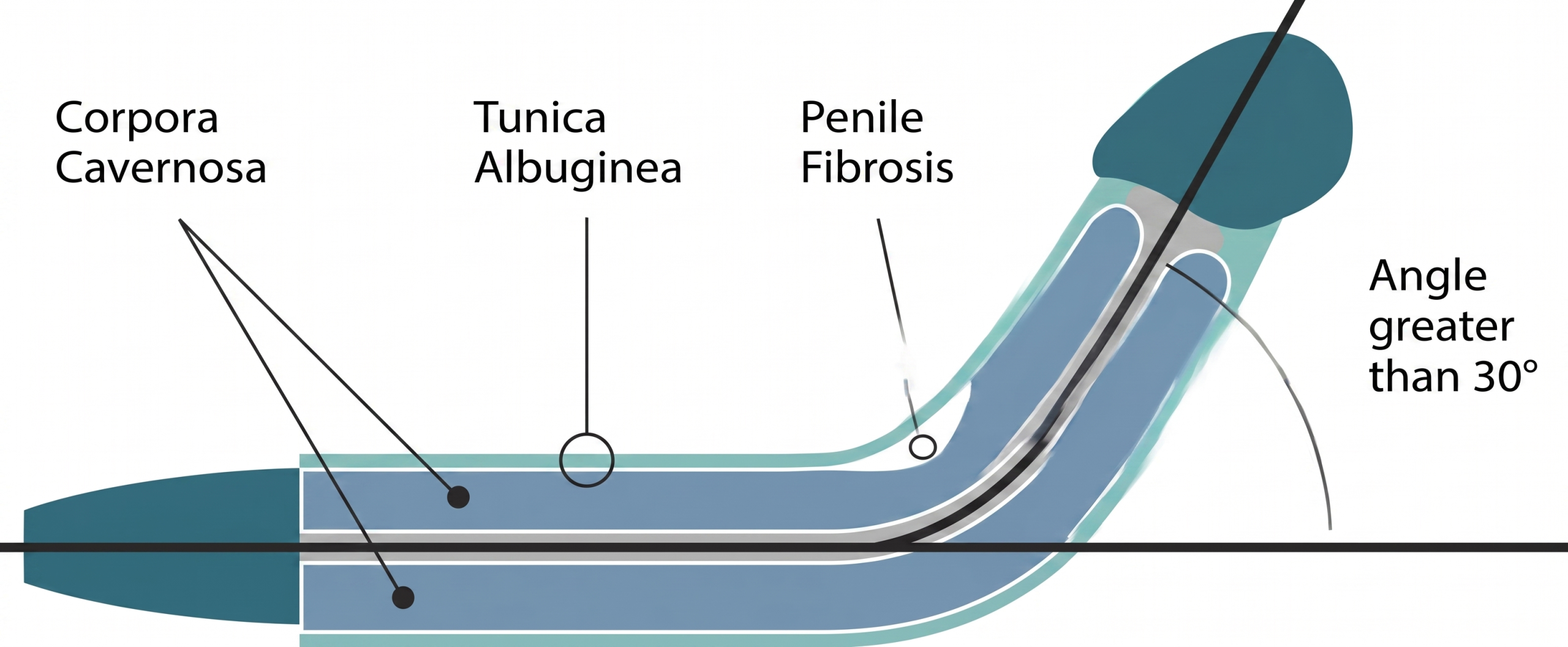
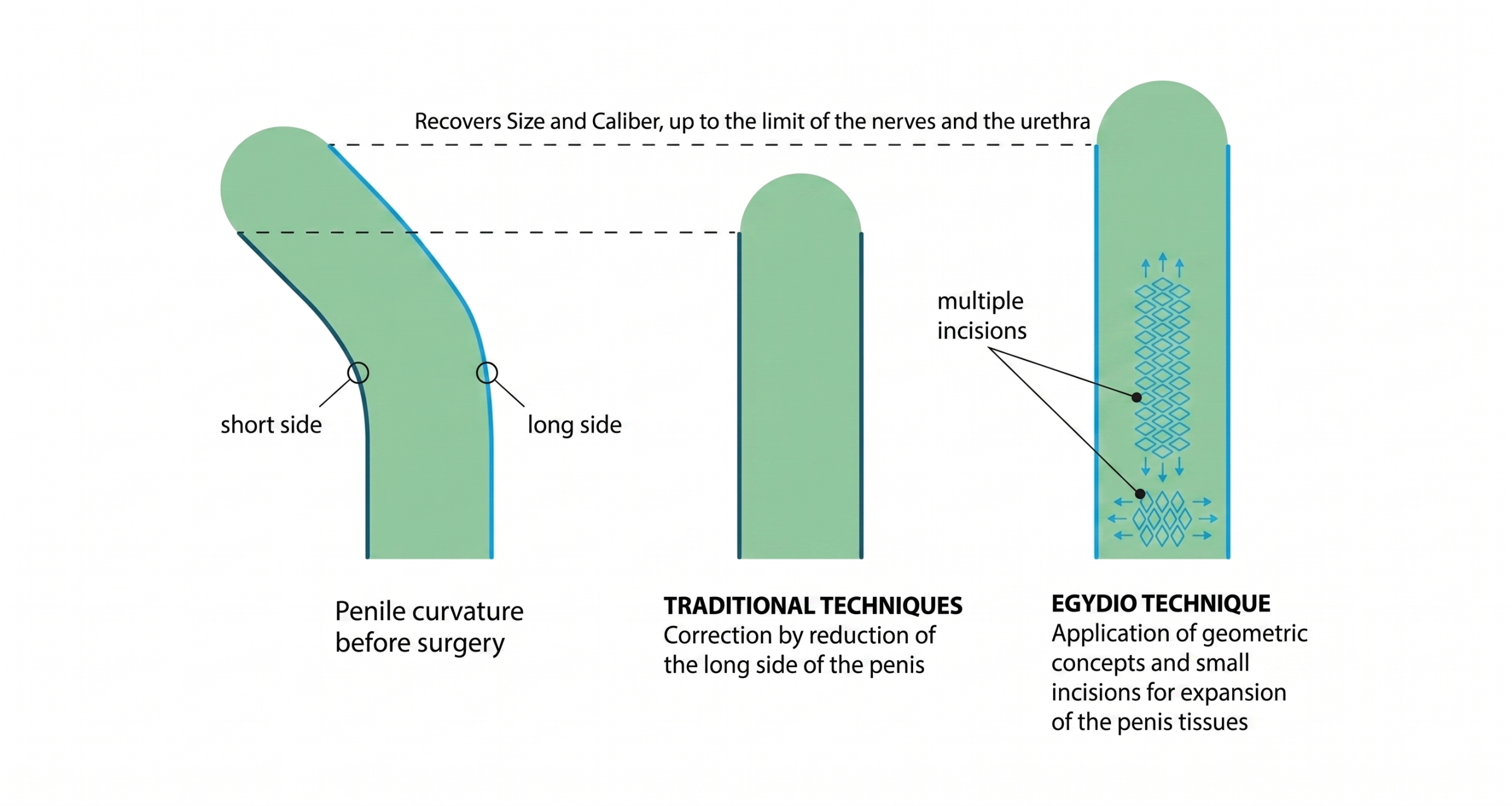
When priapism causes significant anatomical changes, treatment may include reconstructive procedures or implantation of a penile prosthesis, according to individualized clinical evaluation.
Early diagnosis and treatment tend to improve the prognosis and reduce the risk of complications.
What to do when identifying the problem?
Upon noticing an erection that lasts more than 3 hours, the most important thing is to seek medical attention immediately.
The diagnosis of priapism is based on clinical evaluation and, when indicated, complementary tests, including Doppler ultrasound.
How is the diagnosis of priapism made?
The diagnosis of priapism is made through evaluation, exams and ultrasound. See how it works:
- Clinical evaluation: the doctor investigates the onset of symptoms and performs a physical examination of the penis, groin, perineum and abdomen, helping to identify the type of priapism.
- Laboratory tests: blood can be collected from the penis — if it is dark, it indicates low oxygen (ischemic priapism) — in addition to blood tests from the arm to investigate diseases such as sickle cell anemia.
- Doppler ultrasound: used to evaluate blood flow in the region.
Read more: Penile Doppler: ultrasound details and what it reveals about your sexual health
Prolonged erection treatments
Treatment for priapism may include:
- Aspiration of blood from the corpora cavernosa: performed with a needle and syringe to reduce pressure and allow retained blood to exit.
It can be associated with washing with saline solution and the use of medications to contract blood vessels.
- Surgical procedures: indicated when initial measures do not work, with the aim of draining the blood and restoring flow.
In some cases, the implantation of a penile prosthesis may be necessary, after urological evaluation. When priapism is associated with sickle cell disease, additional specific treatments may be required.
Is it possible to prevent the condition?
Based on the main causes, it is not always possible to prevent priapism. There are general health measures that can help reduce some risk factors.
Maintaining a healthy lifestyle, for example, can help reduce the risk of priapism, as well as other health conditions. This includes:
- maintain a balanced diet;
- exercise regularly;
- avoid smoking;
- avoid excessive alcohol consumption.
People with medical conditions that increase the risk of priapism, such as sickle cell anemia, should take even better care of themselves and follow medical prescriptions to avoid new health problems.
When to seek medical attention?
Recurrent episodes of persistent erections, lasting more than 3 or 4 hours and accompanied by pain, can be signs of priapism — a serious condition that can cause erectile dysfunction and even changes in the anatomy of the penis.
If you have ever had painful erections, seek medical evaluation. For specialized guidance, it is possible to schedule an appointment with Dr. Paulo Egydio, a urologist with extensive experience in the field.
Learn more:
- What are the most common prostate diseases and their symptoms?
- Types of penis: what are they, differences, myths and curiosities
- Male Masturbation: Benefits and Myths Unveiled
- Male Hormones That Influence Your Health
- 10 Tips on How to Improve Sexual Performance at the Right Time
- What Is Ejaculation? Answers to Your Main Questions
- What is Andropause? Signs, Symptoms and Treatments
- Discover the 04 Penile Surgeries: Are They Effective?
- Penis Anatomy: What the Structure, Erection and Ejaculation are Like
- 10 main penile diseases: what they are, how to identify and treat them
- Penis Pain: 12 Causes, Symptoms and Treatments
- Men’s sexual health: 7 habits that affect your performance and how to improve