
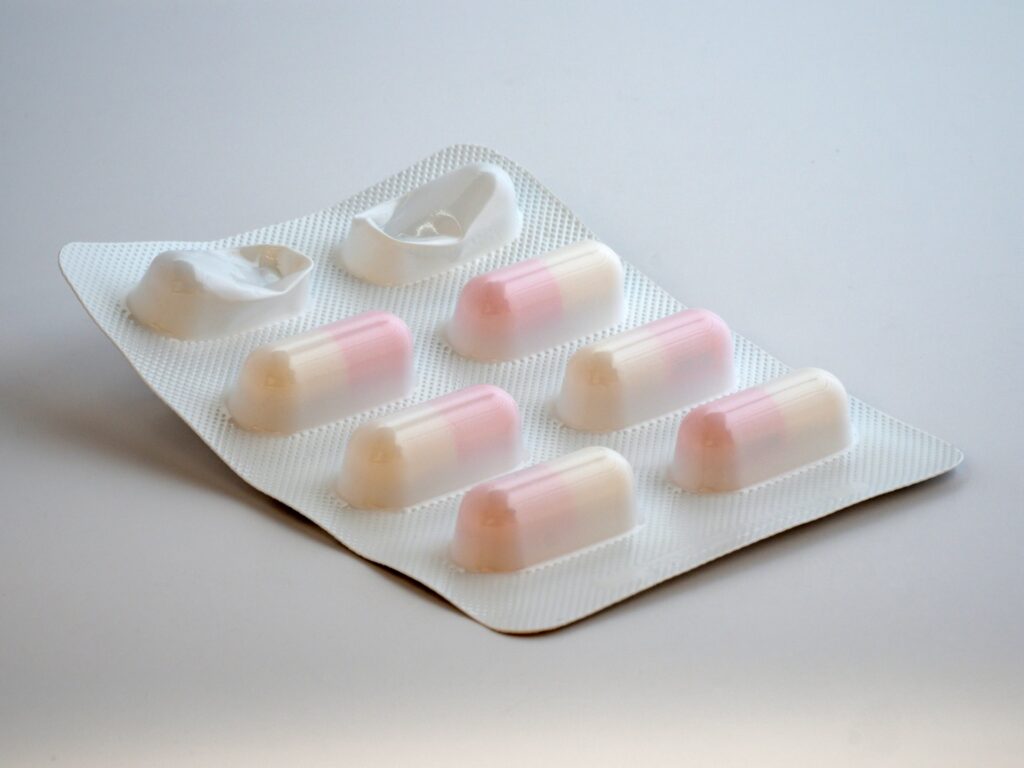
The most commonly prescribed oral medications for erectile dysfunction in men include sildenafil, tadalafil, vardenafil, and lodenafil, among others. These drugs are known for their effectiveness, although they have side effects and contraindications. Learn more about each one!
Although common worldwide, the incidence of erectile dysfunction among Brazilians is concerning. Depending on each case, erectile dysfunction medications may assist many patients. According to the Estudo da Vida Sexual do Brasileiro (EVSB), the prevalence of erectile dysfunction reaches 45.1% of men, distributed as 31.2% mild, 12.2% moderate, and 1.7% severe cases. In many cases, medication may help improve sexual function. Because there is more than one option, it is necessary to understand the underlying causes and evaluate each case individually. Keep reading to understand available treatment options and how to seek the most suitable approach for your case, aiming to improve well-being, self-esteem, and quality of life.
Main oral medications for erectile dysfunction
Oral medications for erectile dysfunction act as facilitators, not inducers — that is, sexual stimulation is required for efficacy. Onset, effectiveness, and duration vary by active ingredient. All have potential side effects and require a prescription. Choice and dose must be individualized according to medical guidance. Below are the main medications for erectile dysfunction and how they act in the body.
1. Sildenafil
Sildenafil is an oral drug that increases blood flow to the penis. It should be taken about 30–60 minutes before intercourse, with effects lasting up to 5 hours. A prescription is required. Common adverse effects include headache, nasal congestion, and transient visual changes. It is contraindicated for people using nitrates or with unstable heart disease.
2. Tadalafil
Tadalafil (Cialis) is known for its long duration (up to 36 hours) and can be used on demand or daily as directed, with prescription. Frequent side effects include back pain, dyspepsia, and headache. It is not suitable for patients on nitrates or with certain cardiac conditions. A comparative study of sildenafil vs. tadalafil—the most popular erectile dysfunction drugs—reported similar efficacy and adverse event rates. However, tadalafil showed more positive psychological effects and greater preference among patients and partners.
3. Vardenafil
Vardenafil is another oral PDE5 inhibitor that increases penile blood flow, typically acting within 30–60 minutes and lasting up to 5 hours. A prescription is required. It is contraindicated in patients using nitrates, with severe hypotension, or with a recent stroke/MI. Side effects may include headache, flushing, and nasal congestion. In comparative studies, vardenafil showed efficacy comparable to sildenafil, with higher potency and a lower risk of visual disturbances. Versus tadalafil, the main difference is duration: about 4–5 hours for vardenafil vs. up to 36 hours for tadalafil.
4. Lodenafil
Lodenafil is a more recent impotence treatment, used mainly in Latin America. It acts similarly to other PDE5 inhibitors, increasing blood flow to the penis. It usually works 30–60 minutes after ingestion and lasts 4–6 hours. Prescription required. Its safety profile is similar to others in the class, with mild, transient effects such as headache, flushing, nasal congestion, dyspepsia, and visual changes. Patients on nitrates, with severe hypotension, or with recent stroke/MI should avoid it. In a randomized clinical trial, the 80 mg dose showed potential to improve erectile function parameters among participants.
5. Testosterone cypionate
Testosterone cypionate is an injectable hormone replacement indicated for men with ED associated with hypogonadism (low testosterone). It is administered intramuscularly every 2–4 weeks, with prolonged action and gradual release. It requires a special prescription. Use is safe with medical supervision but requires caution: contraindicated in prostate cancer, polycythemia, severe heart failure, and severe sleep apnea. Possible adverse effects include fluid retention, acne, gynecomastia, increased hematocrit, and reduced fertility. A study confirmed improvements in sexual function, energy, and well-being in men with testosterone deficiency.
6. Alprostadil
Alprostadil is a vasodilator typically administered via intracavernosal injection and is considered a second-line therapy, acting within minutes. Prescription only. It must be correctly dosed and applied; otherwise, the patient is at risk for priapism, penile pain, and hematomas. Men with sickle-cell disease should not use it. Two key studies reported favorable outcomes: the first reported high rates of erections considered satisfactory for intercourse with intracavernosal alprostadil. The second highlighted good tolerability and safety in different formulations, including topical cream and injections.
7. Udenafil
Udenafil is an oral PDE5 inhibitor. Available as tablets, it requires a prescription. It usually acts in ~1 hour and can last up to 12 hours by increasing blood flow. It is well tolerated in most patients, with a low incidence of headache, flushing, and nasal congestion. It should be avoided by men on nitrates, with unstable heart disease, or severe hypotension. A review highlighted good absorption and rapid onset, making it a promising option for patients seeking flexibility.
8. Avanafil
Avanafil is a prescription tablet with a rapid onset (about 15–30 minutes) and duration up to 6 hours—an option for those seeking a faster response. Common side effects include headache, facial flushing, nasal congestion, and back pain. Like other PDE5 inhibitors, it should not be used with nitrates or in unstable cardiac disease. A Brazilian study reported rapid absorption, good tolerability, and clinical efficacy, including in men with diabetes. Its quicker onset may be convenient for some patients.

Can I combine erectile dysfunction medications?
Yes—some combinations are possible, depending on patient response. A common approach is on-demand sildenafil with daily tadalafil at a lower dose. Combinations aim to improve outcomes in more resistant cases but require medical evaluation, since each treatment acts differently, has specific effects, potential interactions, and may stress the cardiovascular system.
Which drugs can be used for psychogenic erectile dysfunction?
Psychogenic erectile dysfunction is often associated with performance anxiety, stress, depression, low self-esteem, relationship conflict, or trauma. In these cases, the same drugs used for organic ED may be used temporarily to support erections, as medically indicated. Psychotherapy often helps by treating the underlying cause.
Is there an ED drug that doesn’t cause harm?
No medication is free of side effects. People respond differently; what bothers one may not affect another. Always consult a physician to assess risks and precautions.
Can erectile dysfunction be treated naturally?
Beyond oral medications for erectile dysfunction, there are non-pharmacological options. They include:
- Lifestyle changes: exercise, weight management, mental health care and stress control, limiting alcohol, and avoiding smoking;
- Psychotherapy or sex therapy: ED can trigger anxiety and worsen the issue, so professional support can help;
- Nutrition: a balanced diet rich in fruits, vegetables, whole grains, and healthy fats (omega-3) supports circulation and vascular health;
- Physical activity: regular activity (walking, running, resistance training, aerobic exercise) helps circulation, hormones, and self-esteem;
- Chronic disease control: treat diabetes, hypertension, and dyslipidemia to prevent vascular damage that impairs erections;
- Weight control: obesity is linked to lower testosterone and higher ED risk; maintaining a healthy weight helps;
- Stress reduction: practices such as meditation, breathwork, yoga, and leisure activities aid emotional regulation and sexual response;
- Penile prosthesis: when other options have not worked, surgery may be considered; your physician determines suitability.
Consult a specialist to find the most appropriate erectile dysfunction medication
The best approach is not always medication. Individualized medical care helps avoid indiscriminate use. The physician will evaluate the most appropriate approach—medications, injections, or penile prosthesis—based on your clinical assessment.
Learn more:
- Sexual Health: Egydio Medical Center EMC
- How Not to Fail at the Right Moment? Tips to Avoid Impotence
- When Is a Penile Prosthesis Necessary in Curvature Surgery?
- What Causes Hormonal Disorders in Men? Find Out!
- Penile Prosthesis: Detailed Advantages and Disadvantages
- Penile Prosthesis Rejection: Risks and Cases
- Does prostate removal affect ejaculation? What changes in sexual life
- Penile Prosthesis Maintenance: Do I Need Frequent Replacements?