

Penile atrophy from disuse can reduce penis length and girth.
Penile disuse may touch on one of the most common male concerns: a perceived decrease in penis size.
The penis, like other organs, can benefit from regular use and stimulation to help preserve function. A lack of sexual activity or infrequent erections may be detrimental to the organ and men’s sexual health, and can even contribute to erectile dysfunction.
Below, learn more about this topic—this question came from a reader and might be yours, too!
What is penile disuse?
Penile disuse refers to a lack of sexual activity or infrequent erections. When the organ is not stimulated regularly, penile tissues and smooth muscle may be affected. One key issue in disuse is reduced blood flow.
Without regular erections, penile tissues can lose elasticity and shrink, resulting in a less firm penis and possibly smaller size over time.
As with other body areas, pelvic-floor and penile-support muscles benefit from periodic exercise. Without frequent stimulus, they can weaken, making it harder to achieve and maintain an erection.
Can penile disuse lead to a decrease in size?
Lack of penile stimulus can, in some cases, lead to tissue changes, including reduced elasticity and length.
In urology, penetration requires an erect state. When erections are not achieved for any reason, disuse may contribute to atrophy or perceived reduction.
Disuse-related penile atrophy is linked to decreased blood inflow into the corpora cavernosa—the spongy tissue that swells and becomes rigid—leading to relative “dehydration.” Over time, this may contribute to changes in penile size.
Penile atrophy: what it is and common causes
Penile atrophy is not a myth. Reduced cavernous tissue turgor can make the organ appear smaller. This may result in a reduction in erection size.
Atrophy is more common in older men with erectile dysfunction and in those with vascular conditions such as hypertension or diabetes.
Men who underwent prostate cancer surgery (radical prostatectomy) may also notice a smaller or atrophic penis. Low testosterone can be another contributor.
In these groups, reduced spontaneous nocturnal erections may further limit penile oxygenation, which helps keep the corpora cavernosa healthier over time—potentially mitigating disuse.
Other common contributors to penile atrophy include:
- Bereavement: emotional stress during grief may reduce libido, lower erection frequency, and favor disuse-related atrophy.
- Financial stress: chronic concerns may crowd out sexual interest, paving the way for erectile dysfunction and atrophy.
- Relationship tension: conflicts can reduce sexual activity, impair penile blood flow, and raise anxiety during sexual activity.
- Chronic conditions: diabetes, hypertension, and heart disease can alter circulation, reduce tissue perfusion, and contribute to erectile dysfunction.
- Religious abstinence: prolonged abstinence may reduce the erectile stimulus that helps maintain tissues.
- Personal issues: sustained occupational or family stress may increase cortisol, lower libido, and reduce physiological erection frequency.
Differences between penile atrophy and penile disuse
Penile atrophy and penile disuse are related but distinct concepts.
Atrophy refers to reduced size and elasticity associated with insufficient use and oxygenation, leading to a smaller, less firm organ.
Disuse refers to limited sexual activity or infrequent erections. While disuse can lead to atrophy, it describes the absence of regular stimulation due to factors such as abstinence, grief, or stress.
In short, atrophy is a physical change in tissues, while disuse is a behavioral/physiological pattern that may contribute to that change.
Both matter for penile health and can be addressed with healthy habits and medical follow-up.

Why sexual activity matters for penile health
Sexual activity and erections increase blood flow, helping nourish tissues and support elasticity.
Frequent erections may help maintain erectile function, which can be affected from midlife onward. Erections support vascular and neural health of the organ.
Sexual activity may also be associated with broader health benefits, such as:
- Hormone release
- Lower risk of certain prostate changes
- Pelvic floor strengthening
- Stress relief
- Cardiovascular support
- Improved self-esteem
Penile health also depends on general measures: balanced diet, regular exercise, not smoking, and avoiding excessive alcohol or drugs.
Consequences of penile disuse
Lack of regular sexual activity may be associated with problems that affect the organ and overall well-being.
Changes in penis size
Without adequate stimulus, tissues may lose elasticity and shrink.
Reduced blood flow means less oxygen and nutrients, favoring atrophy. Over time, this can contribute to a visibly smaller and less firm penis.
Size changes can also occur when penile fibrosis develops.
A fibrosis may form after trauma (for example, during intercourse). The tissue loses elasticity and penile curvature or deformity may appear—known as Peyronie’s disease.
Erectile dysfunction
When regular stimulation is lacking, the structures involved in erections may weaken, making it harder to achieve and maintain rigidity.
This weakening is among the early signs of erectile dysfunction, which can affect sexual and emotional life.
Relationship strain
Physical intimacy is important in many relationships, and lack of sex can lead to disconnect and frustration, with potential communication issues.
Self-esteem may drop in one or both partners, affecting relationship satisfaction.
Open dialogue and professional support can help couples address concerns early.
Cardiovascular red flags
Infrequent erections can signal underlying circulatory issues that may also affect the heart.
Erectile dysfunction is often an early indicator of cardiovascular disease. If you notice persistent symptoms, consider a cardiac check-up.
Tension and anxiety
Penile disuse can increase tension and anxiety. Lack of sexual activity may cause frustration and stress, affecting emotional well-being.
Men with sexual difficulties may feel isolated or anxious, increasing overall stress levels. 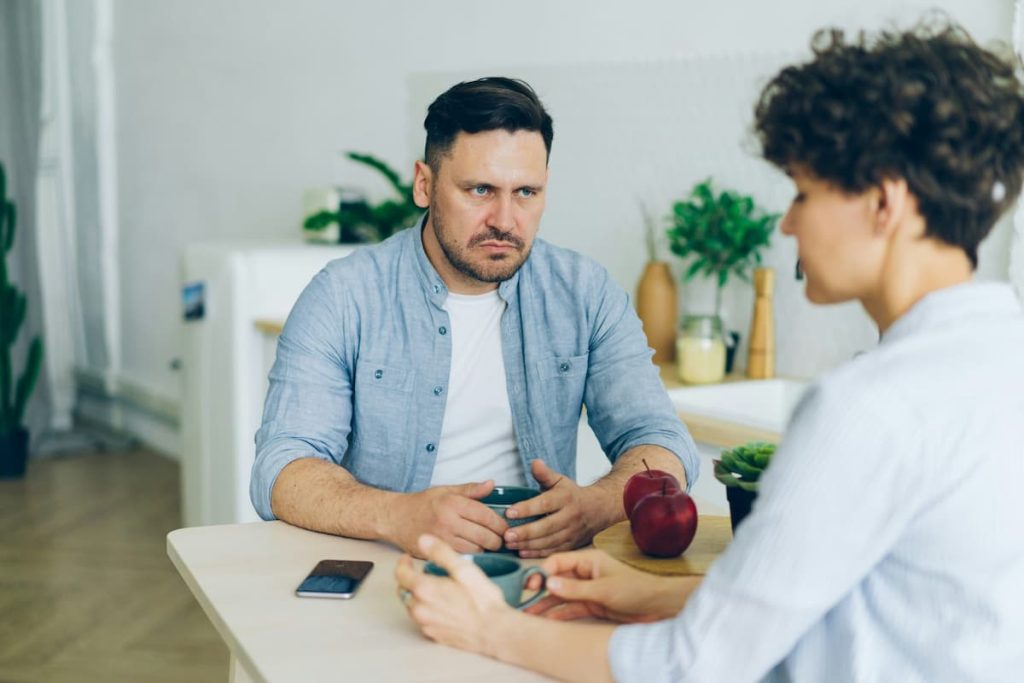
How to address penile atrophy?
Management depends on the underlying cause. A urologist can assess whether reversal is possible and recommend suitable options.
Common strategies used for penile atrophy linked to disuse include:
Penile exercises
These aim to improve circulation and support muscular function. A well-known option is the Kegel exercise, which works the pelvic floor by contracting and relaxing the muscles used to stop urine flow.
Vacuum device
This device promotes blood flow into the corpora cavernosa. The penis is placed in the cylinder and the pump creates negative pressure to help achieve rigidity. A penis pump should only be used with medical guidance, especially in atrophy, erectile dysfunction, and/or Peyronie’s disease.
Medications
There is no medication specifically for penile atrophy. When related to ED or Peyronie’s, underlying factors may be treated with oral agents such as sildenafil and tadalafil.
Under medical supervision, these can improve penile blood flow and help achieve sufficient rigidity for sexual activity. 
Surgery
When Peyronie’s disease causes deformities, surgery may be considered to address fibrosis, improve dimensions, and—when indicated—implant a penile prosthesis.
In selected cases, prosthesis placement aims to correct deformities and restore the rigidity needed for penetrative function.
How to prevent penile atrophy?
Some practical measures can help maintain penile health. Prevention combines regular activity, medical care, and overall health habits.
Key measures to help prevent penile atrophy include:
- Regular sexual activity: maintaining an active sex life or regular masturbation helps provide frequent stimulus and healthy blood flow.
- Kegel exercises: strengthen pelvic-floor muscles that support erectile function.
- Healthy diet: a balanced, nutrient-rich diet supports vascular health, crucial for penile function.
- Adequate hydration: drinking enough water supports efficient circulation and overall health.
- Avoid smoking and excess alcohol: both can impair circulation and vascular health, raising the risk of atrophy.
- Regular physical activity: exercise supports circulation and cardiovascular health.
- Stress management: relaxation techniques (meditation, yoga) may reduce stress that can affect erectile function.
- Regular medical checkups: periodic visits can identify and treat conditions that affect penile health.
Low erection frequency can affect physical and mental health. Healthy habits—including regular sexual activity—may help lower the risk of penile atrophy, erectile dysfunction, and relationship or quality-of-life impacts.
Visit Dr. Paulo Egydio’s channel for more men’s health content
Learning more about penile health supports sexual quality of life and overall men’s health. Visit the Dr. Paulo Egydio YouTube channel.
You’ll find videos answering reader questions and content on erectile dysfunction, Peyronie’s disease, treatment options, self-care tips, and clear, up-to-date information.
Subscribe and turn on notifications so you don’t miss updates and can make informed decisions about your sexual health.