
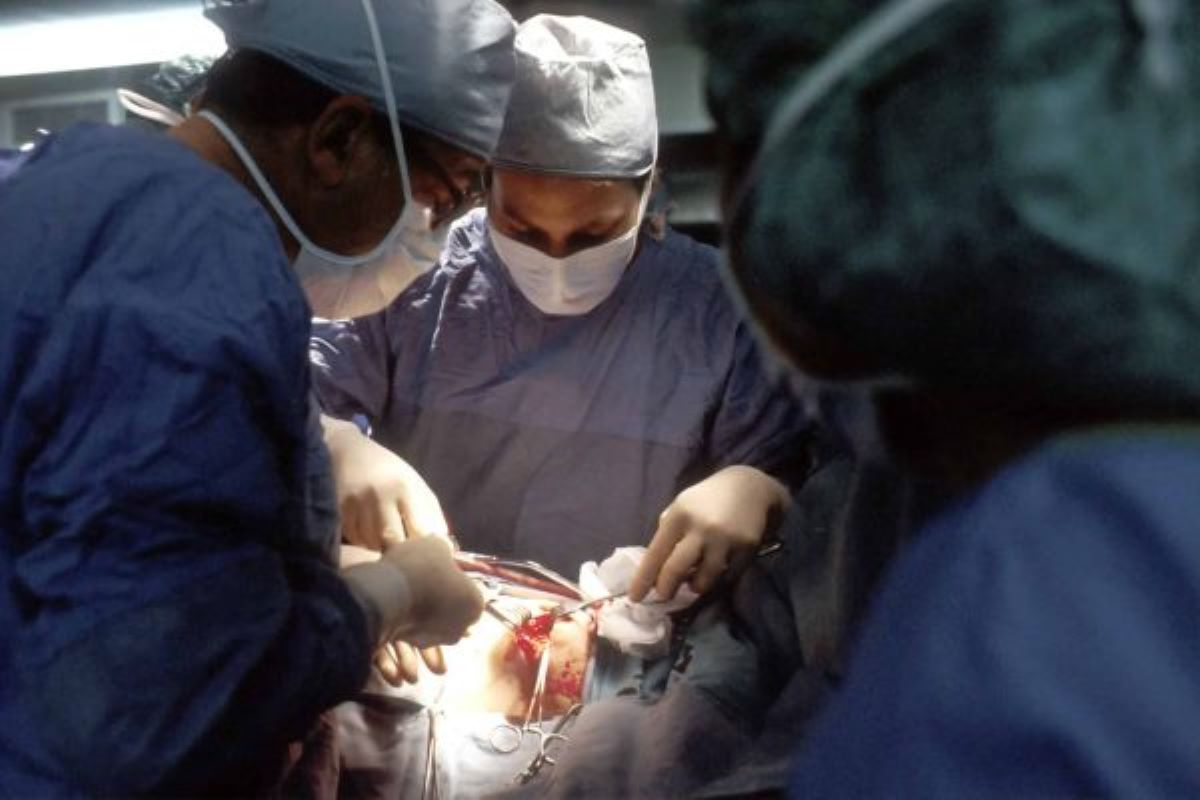
Phallectomy is the surgery for partial or total penis amputation. It is performed by a urologist and is indicated in cases of penile cancer, accidents, severe trauma, and serious injuries. Read on for more information and to learn how life continues after the procedure.
Phallectomy, a procedure for partial or total penis amputation, may be necessary in extreme situations, such as penile cancer or severe trauma.
Although a sensitive topic, understanding what this procedure involves, its impacts, and adaptation possibilities is essential for those undergoing the experience or seeking prevention. Continue reading to discover how life can go on even after such a challenging event.
What is phallectomy?
Phallectomy (or penectomy) is the total or partial removal of the penis, typically recommended in cases of cancer, severe penile fractures, or mutilation.
When is penis removal indicated?
Penis amputation is often linked to penile cancer. However, accidents, trauma, severe injuries, and serious penile fractures are also conditions requiring the removal of the male genital organ.
According to data from the Brazilian Society of Urology, Brazil recorded 6,456 penile amputations between 2014 and 2023.
Preparing for surgery
- Fasting for at least 8 hours or as instructed by your doctor, including water;
- Hypertensive patients may take their blood pressure medication, preferably without water;
- Diabetic patients should suspend their medication on the day of surgery;
- Remove watches, rings, bracelets, earrings, piercings, and hairpins;
- Those using dental prosthetics should remove them.
- Hair removal in the pubic region is performed on the day of the procedure by a nursing professional.
How is penis amputation performed?
Penile amputation is carried out by a urologist in a hospital setting.
The patient receives either general anesthesia or epidural anesthesia, which blocks pain from the waist down.
In partial penis removal, the doctor removes the glans while preserving the penile shaft. In total amputation, the penis is entirely removed, and the doctor creates an opening in the perineum for urination.
In some cases of penile cancer, emasculation (removal of the testicles) may also be performed.

Post-surgical care
Patients typically stay hospitalized for 1 or 2 days after surgery. The urinary catheter must remain for 14 days, and the blood drainage catheter is kept as per medical advice.
At home, recovering from phallectomy involves:
- Avoiding intense activities and heavy lifting for six weeks;
- Taking prescribed medications;
- Keeping the surgical scar clean and dry.
If there is fever, redness, swelling, pus, intense pain, or heavy bleeding, medical attention should be sought immediately.
How long does recovery take?
Phallectomy recovery varies by patient but generally lasts 4 to 6 weeks.
Life after partial penis removal
After partial amputation, many men retain urinary function and may resume sexual activity. However, discussing potential changes and individual expectations with a doctor is important, as results may vary.
Daily life
In daily life, urinary function is usually unaffected, though some men may begin urinating while seated.
Additionally, self-esteem can take a hit. Seeking psychological support through psychotherapy can significantly aid in rebuilding confidence.
Men in relationships should maintain open communication with their partner. This is crucial for rebuilding intimacy and exploring possibilities beyond penetration.
Sex and libido
If the testicles are intact, libido typically remains, as it is regulated by testosterone, a hormone produced in the testicles.
Resuming sexual activity is usually possible around two months after surgery, depending on individual recovery and medical guidance.

Life after total penis amputation
Total removal of the penis requires greater physical and emotional adjustments. For example, men will need to urinate while seated. Additionally, penetration is no longer possible.
Daily life
Total penis amputation can bring feelings of sadness, anger, frustration, and distress. A major change in daily life is transitioning to sitting while urinating.
Sex and libido
The most significant change with total penis amputation is in sexual activity, as penetration is no longer possible.
Couples may need to explore new forms of satisfaction, including the use of sexual aids. Psychological counseling is valuable during this initial period.
How to prevent penis amputation
Penile cancer is rare, but according to the Brazilian Journal of Oncology, poor hygiene and untreated STDs are risk factors.
To prevent penile amputation, it is essential to maintain proper hygiene, perform monthly self-exams, and schedule regular check-ups with a urologist.
Phallectomy is a procedure that significantly impacts the lives of those who undergo it. With appropriate medical care, emotional support, and help from loved ones, adapting and finding new paths to self-esteem, sexuality, and well-being is possible.
Most importantly, prevention is the best medicine. Men’s health deserves attention, and you can start taking care of it today.
For more tips, follow Dr. Paulo on TikTok. Take care!