
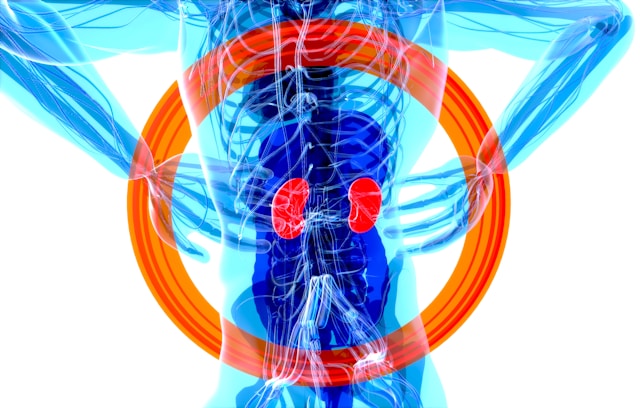
What Happens When Diabetes Attacks the Kidneys: Understanding Diabetic Nephropathy and Preventive Measures
Diabetes mellitus is a chronic disease that can cause numerous complications, including severe ones if not properly controlled.
According to the Brazilian Diabetes Society, Brazil has more than 13 million people with diabetes, which corresponds to 6.9% of the population.
The condition can be diagnosed as types 1 and 2. Type 1 diabetes is an autoimmune disease where the immune system destroys the beta cells of the pancreas, preventing insulin production. It usually manifests early, in childhood or adolescence.
Type 2 diabetes, while often associated with a sedentary lifestyle, also occurs due to genetic factors when the body becomes resistant to insulin or does not produce enough insulin.
One of the most serious and common complications of diabetes is diabetic nephropathy, a condition in which the kidneys are progressively damaged due to high blood glucose levels. This is also a chronic disease that can develop over time in diabetic patients.
In today’s text, we will better understand how diabetes mellitus can affect the kidneys and erectile function, discussing treatment options and prevention strategies for these problems. Stay tuned.
How Does Diabetes Affect the Kidneys?
When patients have diabetes, the kidneys, responsible for filtering waste and excess fluids, cleaning the blood, begin to lose their ability to perform this function, leading individuals to develop other health problems, such as diabetic nephropathy.
In this condition, damage to blood vessels and internal structures is progressive and occurs due to high blood glucose levels.
The problem compromises the filtering capacity of the kidneys, hindering the removal of waste and excess fluid from the blood.
Over time, diabetic nephropathy can cause albuminuria (protein in the urine), reduced kidney function, and eventually, kidney failure, requiring dialysis and, in some cases, inclusion on a transplant list.
This process happens silently and gradually. Therefore, patients may not present evident symptoms in the early stages, making regular monitoring of glucose levels and kidney function essential for diabetics.
In addition to diabetic nephropathy, diabetes can also affect the kidneys in other ways. Chronic hyperglycemia can damage the nerves that control the bladder, leading to urinary retention. This condition increases the risk of urinary infections and elevated pressure in the kidneys, further damaging them.
Moreover, diabetes can lead to hypertension, a significant risk factor for chronic kidney disease, and can even impact sexual life, causing erectile dysfunction issues.
Erectile dysfunction (ED) is a common complication in diabetic men and can worsen due to kidney problems, affecting the body as a whole.
Symptoms of Diabetes
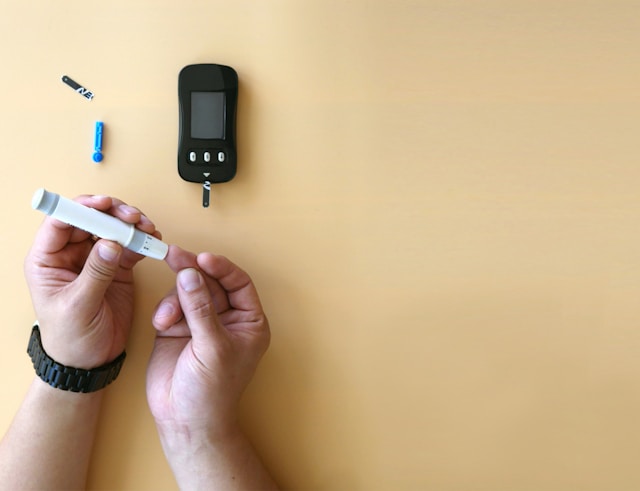
Generally, when a patient does not yet know they have diabetes, the condition can present a variety of symptoms, which may vary depending on the type (1 or 2) and severity of the condition.
Among the most common signs are:
- Excessive thirst;
- Increased urination frequency;
- Intense hunger;
- Unexplained weight loss;
- Extreme fatigue;
- Blurred vision;
- Wounds that are slow to heal.
In the case of type 1 diabetes, symptoms usually appear suddenly and intensely in childhood or adolescence.
In cases of type 2 diabetes, symptoms develop more slowly and may be less noticeable initially.
Other symptoms, although less common, may include:
- Frequent infections, especially in the skin, gums, or bladder;
- Numbness or tingling in the hands and feet.
Symptoms of Kidney Problems

Kidney problems can manifest in various ways, especially when kidney function begins to be compromised. However, in the early stages, they may be subtle or even nonexistent.
The first signs, as the condition progresses, can include:
- Extreme fatigue;
- Swelling in the legs, ankles, and feet;
- Difficulty concentrating;
- Loss of appetite;
- Changes in urination frequency, which can be increased or decreased;
- Foamy urine;
- Blood in the urine;
- High blood pressure;
- Nausea;
- Muscle cramps, especially at night.
If you recognize signs like these, it is essential to seek help early to obtain proper treatment and prevent progression to kidney failure.
Does Diabetes Also Affect Erectile Function?
Yes, diabetes can also affect erectile function: erectile dysfunction (ED) is a common complication among men with the condition.
High blood glucose concentration, among other problems, can cause damage to blood vessels and nerves, including those essential for achieving and maintaining an erection.
Furthermore, the disease can lead to circulatory problems affecting not only limbs like legs and arms but also blood flow to the penis.
Hypertension and high cholesterol, also common in patients with diabetes and those presenting with metabolic syndrome, can contribute to erectile dysfunction.
The only way to avoid or minimize more severe problems is by managing the condition, including strict control of blood glucose levels, along with managing other risk factors.
How to Treat Kidney Diseases Caused by Diabetes?
When kidney disease is already a reality, the patient may face the possibility of needing dialysis or a transplant someday. However, quality of life can often be maintained with these treatments.
In the early stages, there are ways to slow the progression of the disease and control symptoms. Treating kidney diseases caused by diabetes aims to achieve these goals.
Among the main ways to treat and prevent the progression of kidney diseases caused by diabetes are:
- Keeping blood glucose levels within the recommended range;
- Adopting healthy lifestyle habits with a balanced diet and exercise;
- Regularly performing medical check-ups;
- If possible, seeking a nutritionist for better guidance on following a healthy renal diet, which may include reducing proteins, sodium, potassium, and phosphorus, reducing the kidneys’ workload;
- Maintaining oral medication and insulin regularly and at the correct times, according to health conditions;
- Controlling blood pressure, especially when medications are consumed;
- In addition to medications for controlling blood pressure and glucose, some patients may benefit from additional medications recommended by doctors that help protect kidney function;
- Managing cholesterol;
- Avoiding smoking;
- Conducting regular exams to monitor kidney function, such as glomerular filtration rate (GFR) and albuminuria.
In cases of kidney failure, when the disease is in an advanced stage, treatments such as dialysis or kidney transplant may be necessary.
Prevention

While it is possible to prevent the progression of kidney diseases when diagnosed early, in more advanced cases, completely preventing this progression may not be feasible.
The prevention of developing these diseases is possible, especially for patients at risk. However, it is important to recognize that even with preventive measures, chronic kidney disease can still develop in certain cases.
Among the main measures that can help in prevention are:
- Keeping blood glucose levels within the acceptable standard;
- Controlling blood pressure;
- Adopting a healthy and balanced diet, rich in vegetables and low in sodium and excess proteins;
- Avoiding smoking;
- Maintaining a healthy weight;
- Regular physical activity;
- For diabetic patients and/or those with hypertension, regular kidney function tests allow for early detection of changes.
Can Erectile Dysfunction Caused by Diabetes Be Prevented?
Although it is not possible to completely prevent erectile dysfunction caused by diabetes, the risk can be significantly reduced.
To do this, effective diabetes control and management of associated risk factors are essential.
The diabetic patient must maintain controlled blood glucose levels to prevent damage to circulation and blood vessels that can lead to erectile dysfunction.
In addition, it is important to control blood pressure and cholesterol, avoid smoking, and maintain a healthy weight.
Regular medical follow-up combined with healthy lifestyle habits is essential to monitor and manage sexual health as a whole.
If you are diabetic and wish to prevent the development of chronic kidney disease, a proactive approach and appropriate treatment can help preserve kidney health, improving quality of life and avoiding more severe complications.
If you want to learn more about the topic, join us on Dr. Paulo Egydio’s WhatsApp channel. There, you will receive exclusive updates from the doctor himself.
Learn more:
- Male Self-Care: Why Is It Important for Health?
- Learn All About Enlarged Prostate: Causes, Diagnosis, and Recommended Treatments
- Does Stress Decrease Libido? Learn How to Identify and Treat It
- What Is Ejaculation? Answers to Your Main Questions
- Consequences of Male Sexual Abstinence and the Problems It Can Cause
- 10 Tips for Penis Care to Maintain Health and Prevent Infections and Diseases
- See What Causes Erectile Dysfunction and Available Treatments
- Prostate Surgery: What to Expect, Risks, and Recovery
- Gut Health and Sexual Function: The Connection