

The most mentioned vitamin for male potency is vitamin D, but studies show there are other options that may help improve erectile function.
What contributes to better sexual health is highly individual. Being satisfied with yourself, trusting your partner, and keeping your health up to date are very important aspects.
Some nutritional deficiencies are related to an increased risk of developing erectile dysfunction.
Several studies have linked vitamin D to erection. A 2016 study published in Atherosclerosis showed that deficiency may increase the risk of erectile dysfunction. A 2020 paper in Nutrients also found an association between erectile dysfunction and low vitamin D levels.
Vitamin D deficiency is the best known, but in fact the lack of other vitamins and minerals may also impact men’s sexual performance. Learn more below.
What are the best vitamins to increase male desire?
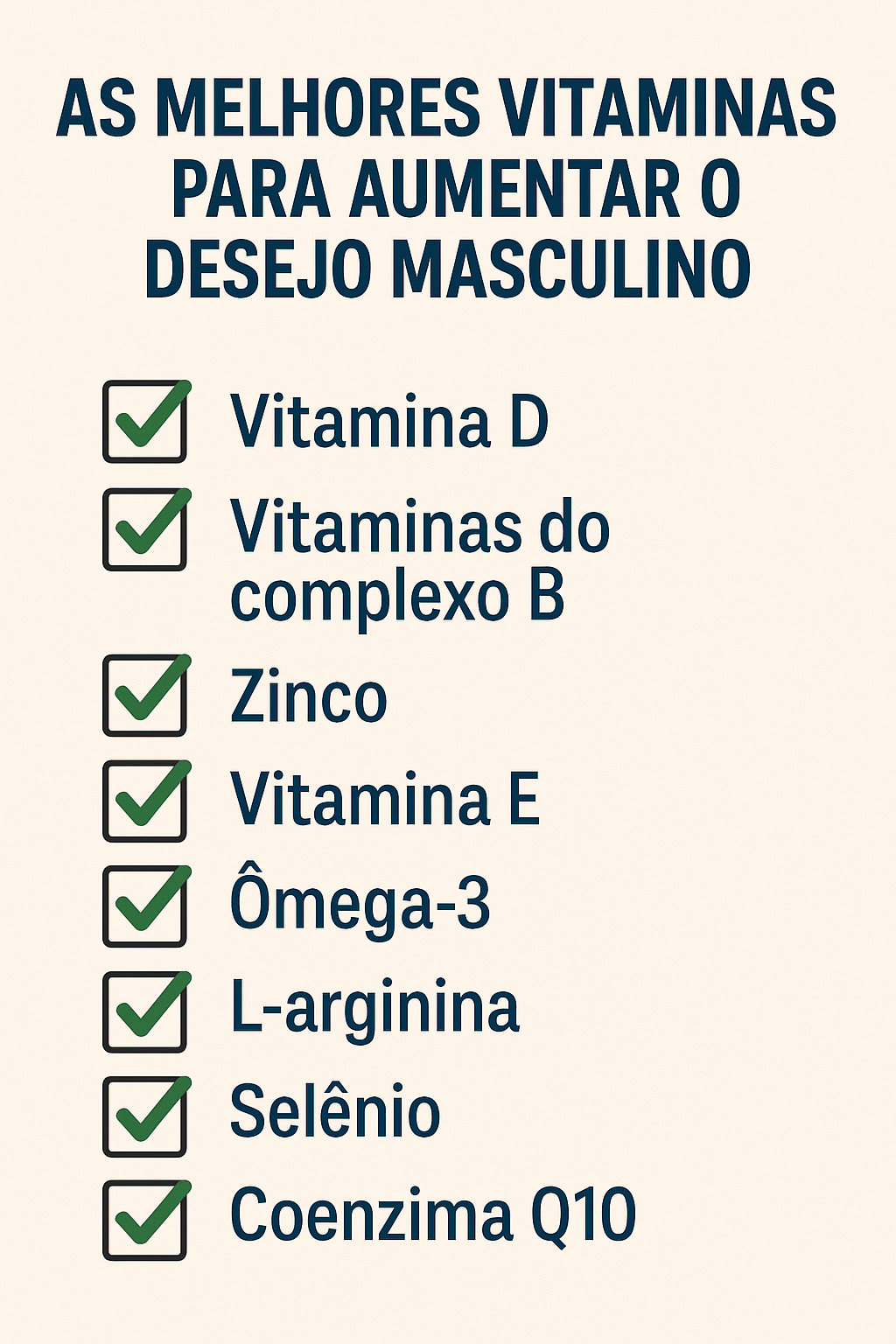
Some vitamins and minerals play important roles in overall health, including sexual health. Here are the main nutrients and vitamins to increase male desire and help prevent erectile dysfunction:
1. Vitamin D
Vitamin D is crucial for testosterone production, a hormone that plays a key role in male libido. Vitamin D deficiency is associated with lower testosterone levels. Sun exposure and foods such as fatty fish, eggs, and fortified dairy are good sources.
2. B-complex vitamins
Vitamin B6 helps regulate hormone levels and is important for neurotransmitters that affect sexual desire. Foods rich in B6 include chicken, fish, potatoes, and bananas.
Folic acid (vitamin B9) supports cardiovascular health and may help improve blood circulation, which is essential for sexual function. You can find it in leafy greens, beans, and whole grains.
Vitamin B12, essential for red blood cell production and nervous system health, may influence libido. Sources include meat, dairy, and eggs.
A recent study published in Translational Andrology and Urology suggests that certain groups of men—such as those under 60—who consume more vitamins B6, B9, and B12 may be less likely to present erectile dysfunction.
3. Zinc
Although not a vitamin, zinc is a vital mineral that plays an important role in testosterone production. Zinc deficiency may reduce sexual desire. Foods rich in zinc include red meat, seafood, nuts, and seeds.
4. Vitamin E
Known as the “fertility vitamin,” vitamin E is often cited in relation to male potency because it’s linked to blood circulation and sexual health. Its antioxidant role supports balance in the body and can be obtained from nuts, seeds, and vegetable oils.
5. Omega-3
Although not a vitamin, omega-3 fatty acids are important for cardiovascular health and may improve blood circulation, which benefits erectile function. Sources include fatty fish such as salmon and sardines, as well as flaxseed and walnuts.
6. L-arginine
An amino acid that may help increase blood flow, L-arginine is often used as a supplement to support erectile function. It’s found in meats, nuts, and legumes.
7. Selenium
Acts against free radicals and is essential for the immune system, helping maintain health and vitality. You can find it in Brazil nuts, almonds, and walnuts.
8. Coenzyme Q10
Coenzyme Q10 has antioxidant properties that protect blood vessels from free-radical damage. Vascular health is critical for erectile function because erection depends on adequate blood flow.
Including certain nutrients in the diet may be associated with maintaining sexual health, but medical evaluation is essential.
It is always advisable to consult a physician or nutritionist before starting any supplementation, especially for those with pre-existing health conditions or who take medications. In addition, maintaining a healthy lifestyle with regular exercise and a balanced diet is fundamental for sexual health.
How does vitamin D support male erectile function?
Vitamin D has been reported to contribute positively to sexual and erectile functions due to hormonal, vascular, and neurological actions in the body, according to a 2025 study published in Frontiers.
- Hormonal effect: vitamin D may help reduce prolactin and stimulate sex hormone production, favoring increased testosterone. These factors can influence libido, erectile function, and fertility, but results vary among individuals.
- Vascular health: vitamin D may increase nitric oxide production, a substance that dilates vessels and facilitates the increase of penile blood flow for erection.
- Neurotransmission: vitamin D also influences brain substances such as dopamine, which are important for sexual desire and for functions related to erectile control.
What are the causes of erectile dysfunction?
Erectile dysfunction affects many men at different life stages and may significantly impact quality of life and relationships. Below, we explore causes and available treatments.
Causes of erectile dysfunction
The causes of erectile dysfunction can be divided into three main categories: physical, psychological, and mixed.
1. Physical causes
Physical causes are often related to health issues that affect blood flow or hormonal function. Main examples include:
- Cardiovascular diseases: conditions such as atherosclerosis (hardening of the arteries) may reduce blood flow to the penis.
- Diabetes: diabetes can damage nerves and blood vessels, leading to erectile dysfunction.
- Hypertension: high blood pressure may affect circulation and vascular health.
- Obesity: excess weight can contribute to hormonal and circulatory problems.
- Hormonal disorders: low testosterone or hormonal imbalances may affect libido and erectile function.
- Neurological diseases: conditions such as multiple sclerosis, Parkinson’s disease, and spinal cord injury may interfere with erectile function.
2. Psychological causes
Psychological causes may play a significant role, especially in younger men. Common examples include:
- Stress and anxiety: concerns about sexual performance, work, or personal life may affect the ability to achieve an erection.
- Depression: depression may reduce sexual desire and arousal.
- Relationship problems: conflicts or lack of intimacy with a partner may contribute to erectile dysfunction.
- Past trauma: negative sexual experiences may impact erectile function.
3. Mixed causes
In many cases, erectile dysfunction results from a combination of physical and psychological factors. For example, a man with diabetes may develop anxiety about his condition, leading to a cycle of erectile dysfunction.
Related: What happens when a man can’t get an erection?

Treatments for erectile dysfunction
Treatment depends on the underlying cause and may include a combination of approaches. Options should be recommended by a physician and tailored to each case:
1. Lifestyle changes
- Regular exercise: Physical activity may improve circulation and cardiovascular health.
- Healthy diet: A balanced diet may help control weight and improve overall health.
- Stress reduction: Relaxation techniques such as meditation and yoga may help reduce anxiety.
2. Medication therapy
- Phosphodiesterase-5 (PDE5) inhibitors: drugs such as Sildenafil (Viagra), Tadalafil (Cialis), and vardenafil (Levitra) are often prescribed to increase blood flow to the penis.
- Hormone therapy: when ED is caused by low testosterone, replacement therapy may be an option.
3. Psychological therapy
- Cognitive-behavioral therapy: helps address psychological factors contributing to ED.
- Couples therapy: may help resolve relationship issues affecting sexual function.
4. Erection devices
- Penis pump: a device that creates a vacuum to induce an erection.
- Penile implants: in more severe cases, surgical implants may be an option.
5. Alternative treatments
- Natural supplements: some men consider using supplements, but it’s important to consult a physician before starting any alternative treatment.
Related: Erectile Dysfunction After Prostatectomy: Causes and Treatment
Seeking medical help is essential!
Although drugs such as sildenafil and tadalafil are widely available, self-medication should be avoided, as should the use of sexual stimulants and vitamins for erectile dysfunction without medical advice.
Erectile dysfunction may impact quality of life, and medical evaluation is important to understand available options.
In addition to vitamins, other alternatives may be considered after clinical evaluation to tailor care to your needs.
Visit Dr. Paulo’s channel for more content on erectile dysfunction
If you or someone you know is facing this challenge, visit Dr. Paulo Egydio’s YouTube channel.
In his videos, the urologist encourages men to seek help and find emotional support to deal with this condition. The most appropriate step for men with sexual difficulties is to seek medical guidance.
Explore, hit play, turn on notifications, and engage with Dr. Paulo Egydio, who brings up-to-date and reliable information on men’s health.
Learn more: