

Pain in the urinary channel may be caused by infections, kidney stones, or prostate changes. Treatment varies according to the cause and may include antibiotics, antivirals, or, in more severe cases, surgery. Learn more!
Have you ever felt pain in the urinary channel? If so, know that it may indicate a disorder in the urinary tract and may be related to urinary system changes that, when persistent, deserve proper investigation.
This discomfort is called dysuria, and the most common symptoms are burning, stinging, sharp pain, and even difficulty urinating.
Urinary tract infection is one of the most common causes, but other conditions may also trigger this symptom.
Below, learn about the 7 main causes of pain in the urinary channel and how each one is treated.
Urinary tract infection: a common cause of pain in the urinary channel
A urinary tract infection occurs due to the proliferation of bacteria or fungi in the organs of the urinary tract (kidneys, bladder, and/or urethra).
Men over 50, people with diabetes, those using certain medications, those with tumors, kidney stones, or benign prostatic hyperplasia are more likely to develop the condition.
Habits such as holding urine for long periods, drinking too little water, not emptying the bladder completely, and having unprotected anal sex are also considered risk factors.
Maintaining good hygiene may help reduce the risk of infections. Circumcised men tend to have a lower risk because the absence of the foreskin reduces the buildup of secretions and the proliferation of microorganisms in the area.
Symptoms of urinary tract infection
- Burning sensation when urinating
- Strong-smelling urine
- Urgent and frequent need to urinate, even with small amounts of urine
- Discomfort or pain in the lower abdomen
- Pain in the male urethra
- Cloudy urine or blood in the urine
- Low-grade fever (in some cases)
How diagnosis is made
The diagnosis of urinary tract infection is made through clinical and laboratory evaluation. The doctor usually requests a routine urine test, often called urinalysis, to check for signs of infection such as leukocytes and bacteria.
In some cases, a urine culture may be requested to identify the exact type of bacteria causing the infection, helping guide the most appropriate treatment.

Kidney stones and pain in the urinary channel
Kidney stones are one of the common causes of pain or burning when urinating. This happens because the stone may block the urinary channel during elimination, causing pain.
Stones form when substances in the urine, such as calcium, uric acid, and oxalate, accumulate and form crystals.
Men, especially after age 40, are more likely to develop this problem.
People who have already had kidney stones may develop them again. Therefore, one of the main preventive measures is good hydration, drinking around 2 to 3 liters of water per day.
Symptoms of kidney stones
- Severe pain in the back, side of the abdomen, or groin
- Blood in the urine
- Pain when urinating
- Frequent need to urinate in small amounts
- Nausea and vomiting
- Fever and chills (if there is an associated infection)
How diagnosis is made
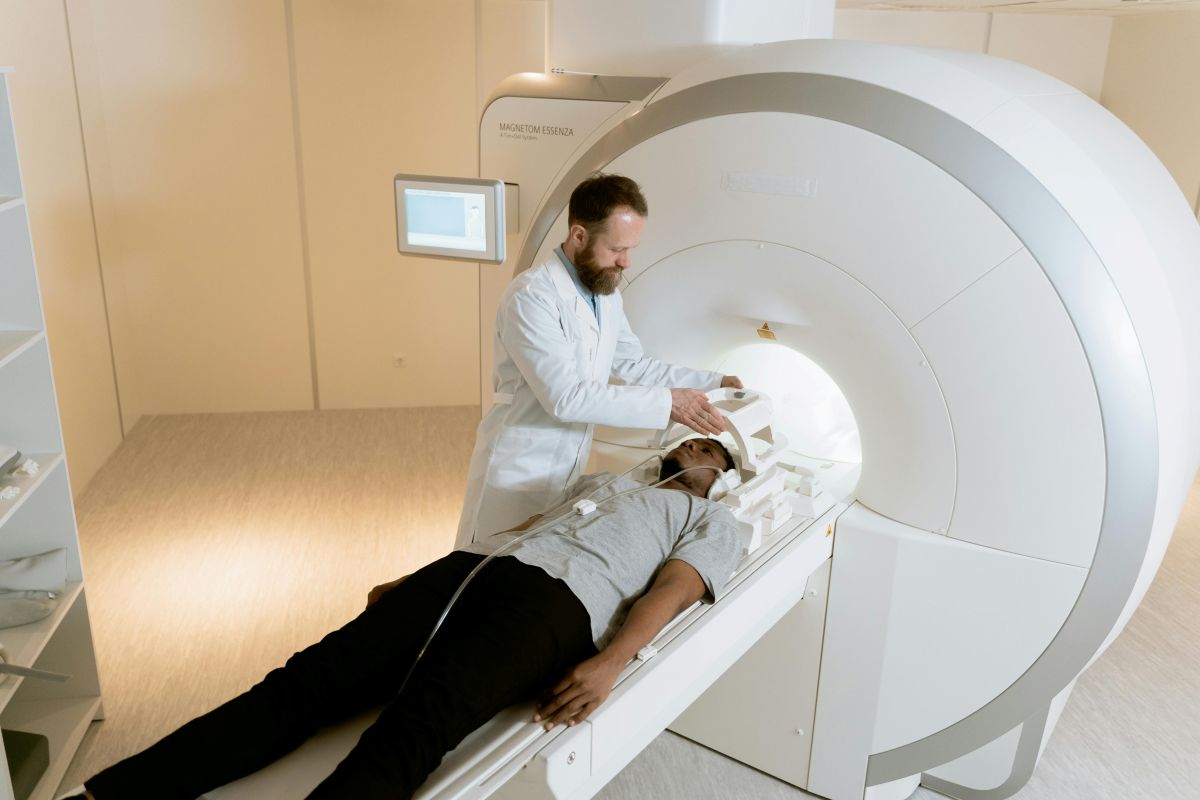
Kidney stones are diagnosed through imaging tests such as ultrasound or CT scan, which help identify the size and location of the stone.
The doctor may also request urine tests to look for signs of crystals or blood. In some cases, blood tests are performed to assess substances that may favor the formation of kidney stones.
Prostatitis
Prostatitis is inflammation of the prostate, usually caused by bacteria related to urinary tract infections or sexually transmitted infections (STIs), such as gonorrhea and chlamydia.
The condition may appear suddenly, which is known as acute prostatitis, or develop over time, characterizing a chronic condition.
Using condoms during sexual intercourse helps reduce the risk of the disease. Men over 50 or those with a history of urinary infections should also pay attention to symptoms.
Symptoms of prostatitis
- Pain or discomfort when urinating
- Sharp pain in the male urethra
- Frequent need to urinate, especially at night
- Pain in the lower abdomen, back, or groin
- Painful ejaculation
- Fever and chills (in cases of acute prostatitis)
- Feeling of pressure or discomfort in the pelvic area
How diagnosis is made
The diagnosis of prostatitis begins with an evaluation of symptoms and a physical examination, which may include a digital rectal exam to assess the size and sensitivity of the prostate.
Urine and blood tests are requested to check for infections or signs of inflammation. In some cases, the doctor may request a culture of prostatic fluid or imaging tests such as ultrasound for a more detailed prostate evaluation.

Benign prostatic hyperplasia (BPH)
Benign prostatic hyperplasia (BPH) is an enlargement of the prostate, which is common in men over 50. Over time, the gland — which is normally about the size of a walnut — may increase in volume.
Although it is not cancer, this enlargement may press on the urethra and make urine flow more difficult. This can favor the development of problems such as urinary infections and kidney stones.
Symptoms of BPH
- Difficulty starting urination
- Weak or interrupted urine stream
- Need to urinate frequently, especially at night
- Feeling of incomplete bladder emptying
- Dribbling at the end of urination
- Urgency to urinate, sometimes accompanied by incontinence
- Pressure sensation in the pelvic region
How diagnosis is made
The diagnosis of benign prostatic hyperplasia usually begins with the evaluation of symptoms and a physical exam, which may include a digital rectal exam to assess the prostate size.
Urine tests may be requested to rule out infections, and the PSA blood test may help evaluate prostate health.
In some cases, the doctor may also request imaging tests, such as ultrasound, to better analyze the prostate and check for possible urinary flow obstruction.
Bladder cancer
Blood in the urine (hematuria) is one of the main warning signs of bladder cancer. The disease may also cause pain or burning when urinating, frequent urge to urinate, urinary urgency, and a weaker urine stream.
This type of cancer is more common in older men. The main risk factor is smoking, but prolonged exposure to certain chemicals found in paints, rubber, and other industrial materials may also increase the risk of the disease.
There are different types of bladder cancer, and transitional cell carcinoma is the most common. This tumor develops in the cells that line the inside of the bladder and other parts of the urinary system.
Symptoms of bladder cancer
- Blood in the urine (hematuria), usually without pain
- Pink, reddish, or dark urine
- Frequent need to urinate
- Pain or burning when urinating
- Pain in the pelvic region or back
- Feeling of incomplete bladder emptying
- Fatigue and unexplained weight loss (in more advanced stages)
How diagnosis is made
The diagnosis of bladder cancer involves a series of tests. The first step is the clinical evaluation of symptoms, followed by urine tests to detect blood or cancer cells.
Cystoscopy, a test that uses a camera to directly visualize the inside of the bladder, is often used to identify tumors. If there is suspicion, a biopsy may be performed, in which a tissue sample is removed for laboratory analysis.
Imaging tests such as ultrasound, CT scan, or magnetic resonance imaging may also be used to assess the extent of the cancer.
Sexually transmitted infections (STIs)
Sexually transmitted infections (STIs) are caused by viruses, bacteria, or parasites transmitted mainly through unprotected sexual intercourse. The best known include chlamydia, gonorrhea, syphilis, HPV, and HIV.
These infections can affect men and women and often do not show symptoms at first, which facilitates transmission.
Some STIs can be treated and cured, such as chlamydia and gonorrhea. Others, such as HIV, require continuous treatment. Using condoms and having regular testing are the main forms of prevention.
Symptoms of STIs
- Pain or burning when urinating
- Unusual discharge from the penis or vagina
- Presence of sores, warts, or blisters in the genital area
- Pain during sexual intercourse
- Itching or irritation in the genital area
- Fever and malaise (in more advanced infections)
How diagnosis is made
Diagnosis may vary according to the type of infection. Urine or blood tests are commonly used to identify the presence of bacteria or viruses causing the infections.
In cases such as HPV or genital herpes, diagnosis may be made through clinical examination and lesion biopsies. Regular follow-up with a doctor, especially after symptoms appear, is important for early diagnosis and appropriate treatment.

Urethritis
Urethritis is inflammation of the urethra, the channel that carries urine from the bladder out of the body. It may be caused by bacterial or viral infections, with chlamydia and gonorrhea being some of the most common causes.
In addition to STIs, trauma to the urethra or irritation caused by chemical products such as soaps and spermicides may also cause the condition.
Among the main symptoms are urethral pain and burning when urinating. If left untreated, urethritis may lead to other complications and should therefore be evaluated by a doctor.
Symptoms of urethritis
- Burning when urinating
- Frequent need to urinate, with small amounts of urine
- Unusual discharge from the penis or vagina
- Itching or irritation at the tip of the penis
- Pain during sexual intercourse
- Blood in the urine or semen
How diagnosis is made
The diagnosis of urethritis begins with symptom assessment and a clinical examination performed by the doctor.
A urine test is usually requested to check for signs of infection. In some cases, urethral discharge tests or blood tests may also be performed to identify the causative agent.
When sexually transmitted infections (STIs) are suspected, specific tests may also be recommended.

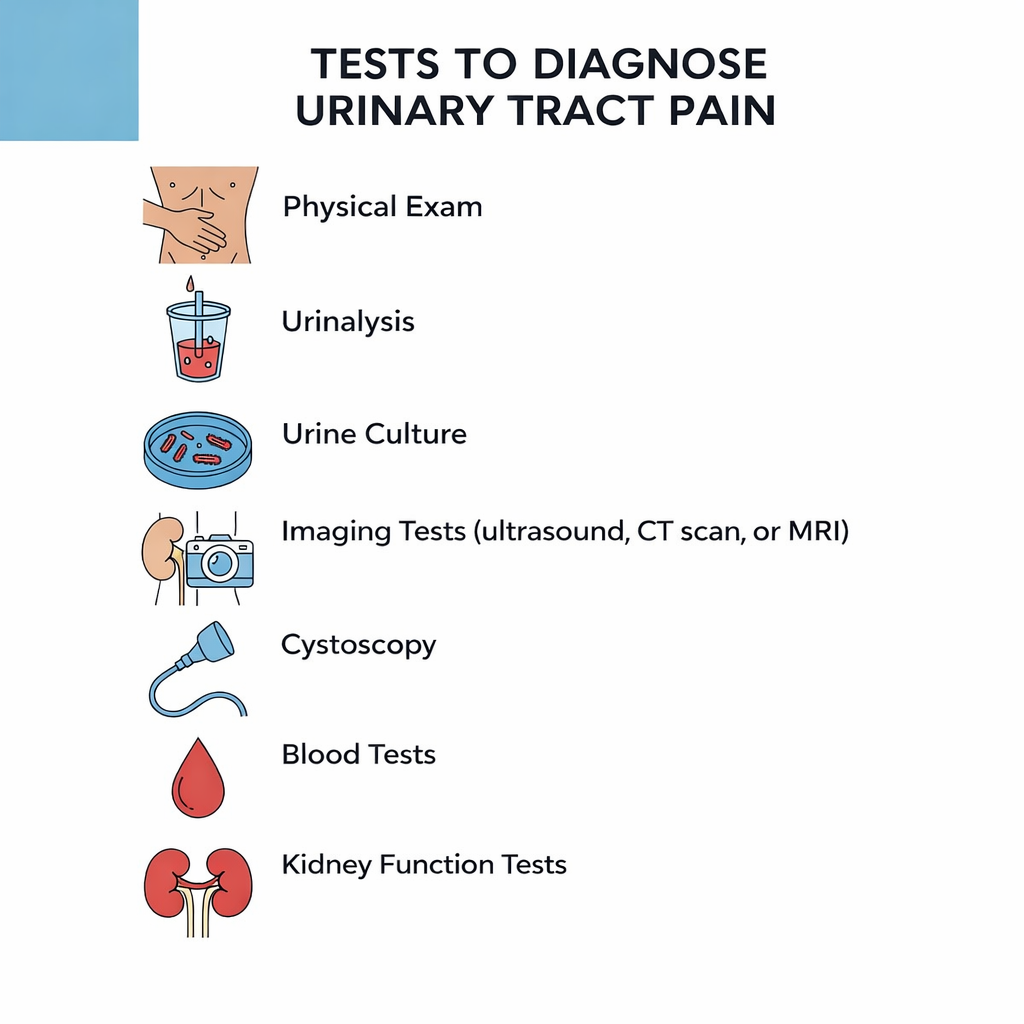
What tests are used to identify the cause of pain in the urinary channel?
What to do when the urinary channel hurts?
At the first signs of discomfort, such as burning, pain, or difficulty urinating, it is important not to ignore the problem. These symptoms may indicate that something is not functioning properly in the urinary system.
One of the first measures is to increase water intake, since drinking plenty of fluids may support urinary function and contribute to symptom relief in some mild cases.
However, if symptoms persist or signs such as blood in the urine, fever, or severe pain appear, it is important to see a doctor. Only a professional can identify the cause of the problem and indicate the proper treatment.

What can I take to clean the urinary channel?
Treatment for pain in the urinary channel should be recommended by a urologist according to the cause of the problem. Therefore, it is important to avoid self-medication.
The use of medications, teas, or other products without medical guidance may not solve the problem and, in some cases, may even worsen the situation.
What are the most recommended treatments for pain in the urinary channel?
Treatment for pain in the urinary channel depends directly on the cause of the problem. See below:
- Bladder inflammation or urinary tract infection: the cause is treated with antibiotics. In addition, anti-inflammatory drugs and pain relievers may be prescribed to relieve discomfort in the urinary channel.
- Kidney stones: small stones may be expelled with medication and hydration. Larger stones require treatments such as lithotripsy to break them up, or even surgery in more severe cases.
- Sexually transmitted infections: antibiotics or antivirals, depending on the infection.
How to avoid pain when urinating?
| Preventive measure | Description / Benefit |
|---|---|
| Drink plenty of water | Hydrate the urinary tract and support normal urinary function. |
| Do not hold your urine | Avoid holding urine for long periods to reduce bladder discomfort. |
| Good intimate hygiene | Especially after sexual intercourse, to help reduce irritation and the risk of infections. |
| Use condoms | During sexual intercourse to reduce the risk of infections that may cause pain or burning when urinating. |
| Avoid irritating products | Use products suitable for the intimate area to reduce the risk of allergies and inflammation. |
| Regular check-ups | Having regular check-ups contributes to the early identification of health changes, including urinary conditions. |
Taking care of your health is an important way to reduce the risk of more serious problems
Taking care of your health continuously is essential for maintaining well-being and quality of life.
Habits such as maintaining a balanced diet, drinking plenty of water, and exercising regularly can help prevent urinary problems.
If any unusual symptom appears, such as pain when urinating or persistent discomfort, it is important to seek medical advice.
An evaluation by a specialist helps identify the cause of the problem and begin the appropriate treatment, helping to avoid complications.
When should you see a urologist?
Pain in the urinary channel should not be ignored and deserves medical evaluation.
Fill out the pre-assessment form to schedule an appointment with Dr. Paulo Egydio, a urologist dedicated to men’s health for 27 years.
You can also subscribe to the YouTube channel and follow weekly videos in which the doctor answers followers’ questions.
Learn more:
- What are the most common prostate diseases and their symptoms?
- Types of penis: what they are, differences, myths, and curiosities
- Male Masturbation: Benefits and Myths Explained
- Male hormones that influence your health
- 10 Tips to Improve Sexual Performance
- What Is Ejaculation? Answers to Your Main Questions
- What Is Andropause? Signs, Symptoms, and Treatments
- Learn About the 4 Main Penile Surgeries: Are They Effective?
- Penis Anatomy: Structure, Erection, and Ejaculation
- 10 main penile diseases: what they are, how to identify and treat them
- Penile pain: 12 causes, symptoms, and treatments
- Men’s sexual health: 7 habits that affect performance and how to improve it