
Safe Sex: How to Combine Personal Hygiene, Condom Use, and Communication for Better Intimacy
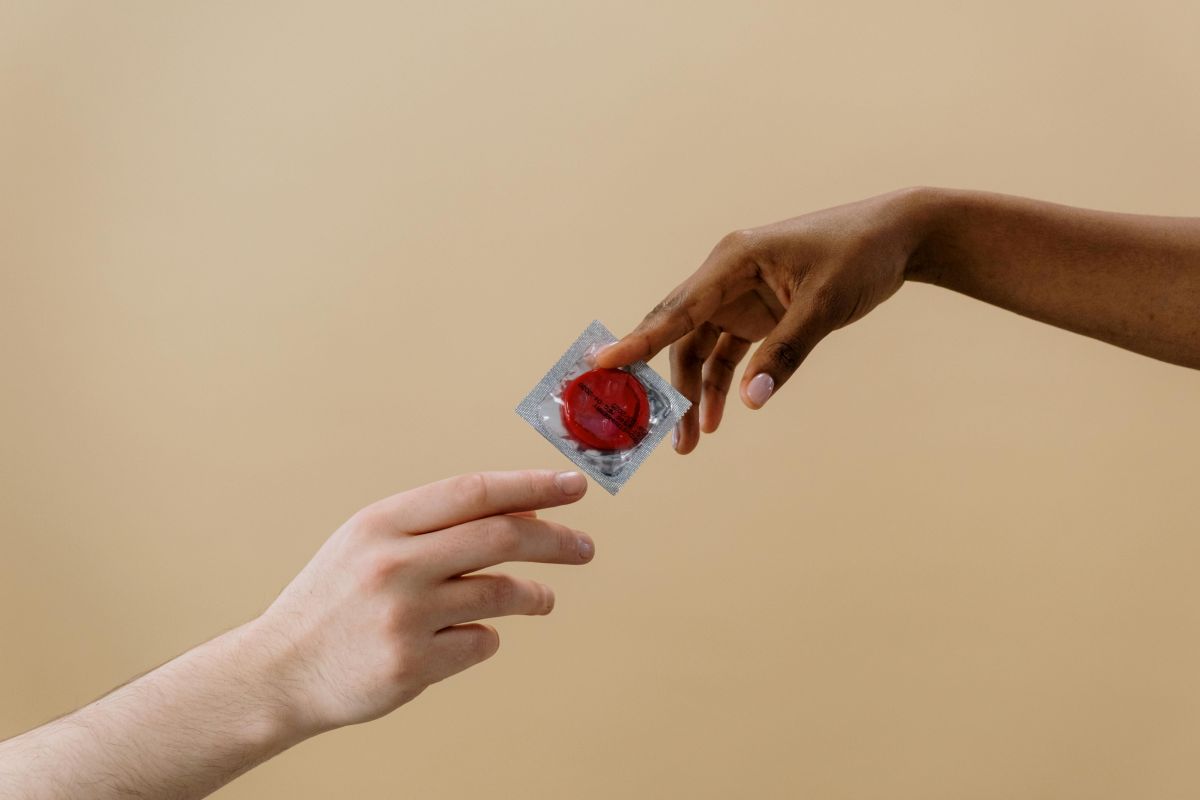
Safe sex involves personal hygiene, sexual education to understand contraceptive methods, and also consent. These are simple concepts that often raise questions, and we will clarify them now. Check it out.
What Does Safe Sex Mean?
To explain what safe sex means, we will use three pillars: preventing STIs, avoiding unwanted pregnancy, and mutual respect. See below:
1. Preventing STIs
Preventing STIs (sexually transmitted infections) is only possible when condoms are used in every sexual encounter. Condoms are the most effective method for preventing STIs.
2. Avoiding Unwanted Pregnancy
Condoms offer dual protection: against sexually transmitted infections and unwanted pregnancy.
3. Mutual Respect
There is no way to practice safe sex without mutual respect. Trusting each other to share sexual preferences, questions, and past relationships helps find solutions to conflicts and paths that lead to pleasure.
Safe Sex and STI Prevention
When we talk about safe sex, we refer to the use of condoms in every intimate contact: vaginal, anal, and oral.
Having safe relations, however, does not only mean preventing STIs. A couple that adopts protective measures may feel more confident exploring intimacy, which can contribute to a more comfortable experience.
How Are STIs Transmitted?
STIs are transmitted by viruses, bacteria, or microorganisms. HIV, syphilis, gonorrhea, genital herpes, chlamydia, hepatitis B and C, and trichomoniasis are the most common.
The main form of transmission is unprotected sex.
However, there is also non-sexual transmission from mother to child during pregnancy, childbirth, or breastfeeding, as well as through contact with cutting instruments that are not sterilized or are improperly sterilized in hospital and dental settings, tattoo studios, and manicure services.
The most common STI symptoms include sores in the genital area, mouth, throat, tongue, and groin. Pelvic pain, burning during urination, changes in the color of urine, and swelling of the lymph nodes, commonly known as “swollen glands,” are also warning signs.
How to Practice Safe Sex?
To practice safe sex, you must use condoms during any sexual contact involving penetration, oral sex, and also when using sex toys.
Although the risk of STI transmission through oral sex is lower, it still requires protection. According to this article “Oral sex: knowledge about practice and STI prevention among young university students,” oral sex without a condom can transmit HPV, herpes, syphilis, and hepatitis B and C.
Regarding sex toys, using condoms helps prevent friction injuries and also avoids contact of the genitals with bacteria.
Personal Hygiene
Personal hygiene is as important as using condoms.
Washing the penis daily is important to remove excess smegma, a natural substance composed of dead cells, sebaceous gland secretions, and body fluids. Water and mild soap are sufficient for cleaning.
Smegma accumulates under the foreskin, the skin that covers the glans. This buildup can make it difficult to expose the head of the penis, creating a favorable environment for bacteria that can cause irritation and infections.
Taking a shower after sex is also essential because it prevents bacteria responsible for inflammation and urinary infections from traveling to the urethra. Remember to change your underwear with each shower.
Use Barrier Methods in All Relations
Using condoms—either male or female—prevents sexually transmitted infections and also helps to prevent certain types of cancer.
Men with recurrent HPV may experience cell changes in the penis. If left untreated, or not treated correctly, there is a risk of developing a malignant tumor in the organ.
Maintaining daily intimate hygiene helps protect genital health and may reduce the risk of some infections, but it does not replace the use of preventive methods like condoms.
Scheduling Routine STI Exams
Sexually active individuals should undergo periodic exams for STIs, whether they are in a stable relationship or not. These include:
- Blood tests for HIV, syphilis, and hepatitis;
- Urine tests for chlamydia and gonorrhea;
- Rapid tests for HIV;
- Exams of secretions or cell samples from the genitals and anus.
Safe sex is directly linked to health and can contribute to a more secure and comfortable experience.
Family Planning and Contraceptive Methods
Family planning requires sexual education and communication in the relationship to decide which contraceptive methods will be used until you decide to have children.
Sexual education means understanding how to avoid pregnancy at the wrong time and how to prevent STIs. With it, the couple knows they need to seek medical guidance to determine the best method based on medical history, lifestyle, and the partners’ ages.
Additionally, people with sexual education understand that hormonal contraceptives such as oral or injectable contraceptives, IUDs, and hormonal implants do not replace the condom for STI protection.

How to Prevent Sexually Transmitted Infections (STIs)?
Using condoms and following the practices below help prevent STIs. Check them out:
- Daily intimate hygiene to avoid smegma buildup and prevent bacteria that cause inflammation and infections;
- Regular exams every year or as recommended by your doctor;
- HPV vaccination to prevent complications such as penile, anal, and throat cancers;
- Hepatitis B vaccination to prevent complications like cirrhosis and liver cancer;
- Sexual education to understand the risks and how to prevent STIs;
- Communication in the relationship to discuss health and sexual history, sexual practices, and condom use.
Safe Sex Means Health and Pleasure
Safe sex is not just about preventing STIs. It is also about the mental well-being of the people involved, because feeling protected against infections, unwanted pregnancy, and being in a healthy relationship allows for greater openness and pleasure in intimate moments.
Taking care of your health starts with good information. In the Dr. Paulo’s WhatsApp group, you can find the best tips to keep your health always up to date. Join us.
Learn more:
- Male Self-Care: Why Is It Important for Health?
- Learn All About Enlarged Prostate: Causes, Diagnosis, and Recommended Treatments
- Does Stress Decrease Libido? Learn How to Identify and Treat It
- What Is Ejaculation? Answers to Your Main Questions
- Consequences of Male Sexual Abstinence and the Problems It Can Cause
- 10 Tips for Penis Care to Maintain Health and Prevent Infections and Diseases
- See What Causes Erectile Dysfunction and Available Treatments
- Prostate Surgery: What to Expect, Risks, and Recovery
- Gut Health and Sexual Function: The Connection