Post-prostatectomy erectile dysfunction: it may be possible to resume sexual life and manage ED after radical prostatectomy.
Prostate cancer shows very favorable survival rates, which leads many men diagnosed with the disease to focus on another concern: erectile dysfunction after radical prostatectomy.
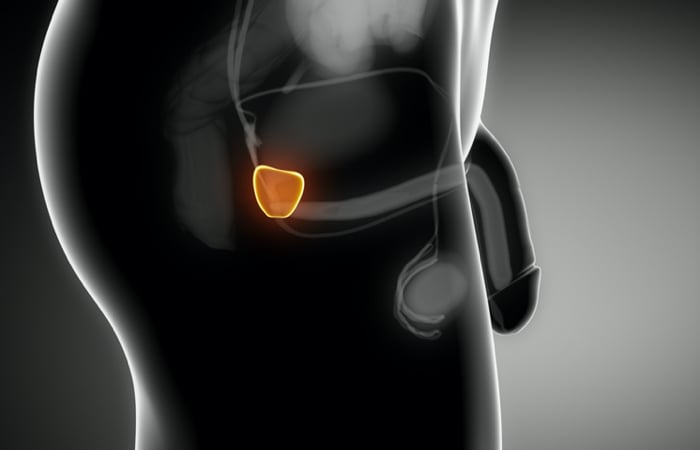
Radical prostatectomy is a pelvic surgery indicated for specific groups of patients with prostate cancer and can be performed with more or less invasive techniques. The procedure may lead to sequelae such as urinary incontinence and erectile dysfunction, which can be managed.
Learn about treatments for erectile dysfunction in patients who underwent radical prostatectomy and see what sexual quality of life can look like after prostate surgery:
Causes of post-prostatectomy erectile dysfunction
Post-prostatectomy erectile dysfunction is related to injury to the nerves responsible for erection during surgery.
Even with minimally invasive techniques, nerves near the gland may be affected during the procedure, especially when the surgeon has less experience.
What can also contribute to erectile dysfunction after radical prostatectomy is reduced blood flow to the penis and the formation of scar tissue in the pelvic region. These factors are often temporary and may last only a few months after the procedure.
The psychological impact of ED after surgery should not be underestimated. Anxiety, fear of failure, and changes in self-image can contribute to psychogenic erectile dysfunction.
Treatments for post-prostatectomy erectile dysfunction
It is important to observe erectile status after prostate surgery and to start penile rehabilitation early with the support of a urologist.
See below some treatment options commonly used in the management of erectile dysfunction:
PDE5 inhibitors (Sildenafil, Tadalafil, Vardenafil)
Post-surgical PDE5 inhibitor therapy aims to expand the corpora cavernosa, allowing penile oxygenation.
Oral medications may be taken before sexual activity or daily, as prescribed, and can cause side effects such as headache, nausea, and flushing.
Vacuum device
The vacuum device creates negative pressure around the penis, increasing blood flow and generating an erection maintained by a constriction ring at the base. Used a few times a day, it helps stimulate circulation and erectile function.
This is a complementary treatment that is generally safe, but it may cause discomfort and mild bruising. It should only be used under medical guidance.
Penile reconstruction and penile prosthesis
Depending on the extent of sequelae after radical prostatectomy, a man may develop fibrosis that restricts tissue elasticity and contributes to ED. In such cases, penile reconstruction surgery may be combined with a prosthesis.
Penile reconstruction may aim to expand tissues and improve elasticity. Subsequently, a penile prosthesis can be implanted, which may provide adequate rigidity for sexual function.
What is sex like after a penile implant?
One of the most frequent questions is what sexual life will be like after managing post-prostatectomy erectile dysfunction.
After prostate removal, ejaculation is dry; in other words, there is no semen release.
Orgasm is usually preserved because it is a brain-mediated response. Sensitivity generally remains, but it can vary according to individual characteristics and the type of surgery performed.
The nerve affected during prostate surgery is primarily responsible for vasodilation, not for glans sensitivity.
Frequently asked questions
What is the treatment for post-prostatectomy erectile dysfunction?
Treatment depends on a detailed assessment of the penis. Mild to moderate cases may be managed with medications and, complementarily, with penile exercises. Severe cases may require a penile prosthesis.
How can I recover erectile function?
The most appropriate approach is to seek medical care so that options can be tailored to each case. A balanced diet, regular exercise, and attention to mental health are also essential.
Does prostate surgery always cause “impotence”?
It depends. Not all men become “impotent” after prostate surgery. Outcomes vary according to whether nerve injury occurred during the procedure.
Ask your questions about erectile dysfunction on WhatsApp with Dr. Paulo Egydio
Post-prostatectomy erectile dysfunction can be addressed in different ways, according to individualized medical assessment. Dr. Paulo Egydio is a urologist with experience in male sexual health.
Each case should be assessed in a medical consultation to indicate the most appropriate approach for the patient’s profile.
Fill out the pre-analysis form to receive guidance by email within 24 hours and learn how to start seeking medical support for erectile dysfunction.