

Does the electronic cigarette cause impotence by compromising blood vessels and increasing erectile dysfunction risk?
Did you know that an electronic cigarette, often seen as a “safer alternative,” can significantly increase the risk of erectile dysfunction? This occurs because the substances in these devices, such as nicotine and solvents, directly affect blood vessels and the blood flow to the penis—an essential factor for a satisfactory erection. But that’s not all. The impacts go beyond sexual health, also compromising the heart and other body systems.
If you value your health and quality of life, keep reading and discover the hidden dangers of vaping and how to take better care of yourself.
Can the electronic cigarette cause impotence (erectile dysfunction)?
Yes. Using a vape is associated with a higher risk of erectile dysfunction, as it contains nicotine. This substance inflames the endothelium, the layer of cells that line the blood vessels internally. Such inflammation leads to atherosclerosis, where arteries become narrow and stiff, reducing blood flow.
Because the penis is an area with terminal, delicate circulation—smaller blood vessels—the nicotine in the electronic cigarette impairs blood circulation to this region. With less blood, the corpora cavernosa do not fill properly, and the penis either doesn’t achieve a full erection or the erection isn’t sufficient to maintain sexual intercourse.

Additional risk factors
Using an electronic cigarette is linked to an increased risk of erectile dysfunction and, according to a study published in the American Journal of Preventive Medicine, conducted with men aged 20 to 65, using the device triples the risk of cardiovascular disease.
The effects of vaping become more severe when the user has additional risk factors affecting health, such as diabetes and obesity.
Excess blood sugar narrows and hardens blood vessels, so diabetes can contribute to impotence. Nicotine and the more than two thousand inflammatory substances in vapes, in turn, increase blood sugar levels in diabetic patients.
Therefore, the risks of the electronic cigarette are even greater for this group, affecting both sexual and cardiovascular health.
Which is more harmful: the electronic cigarette or the traditional one?
Both are harmful to health because they contain nicotine. However, some argue that the electronic device may be potentially more dangerous.
Electronic cigarette users may have six times more nicotine than traditional cigarette smokers, as indicated by this report on the “Electronic Cigarette Study InCor, Visa and Toxicology,” coordinated by Professor Jaqueline Scholz, head of the Tobacco Control Unit at the Heart Institute (InCor) of the Hospital das Clínicas.
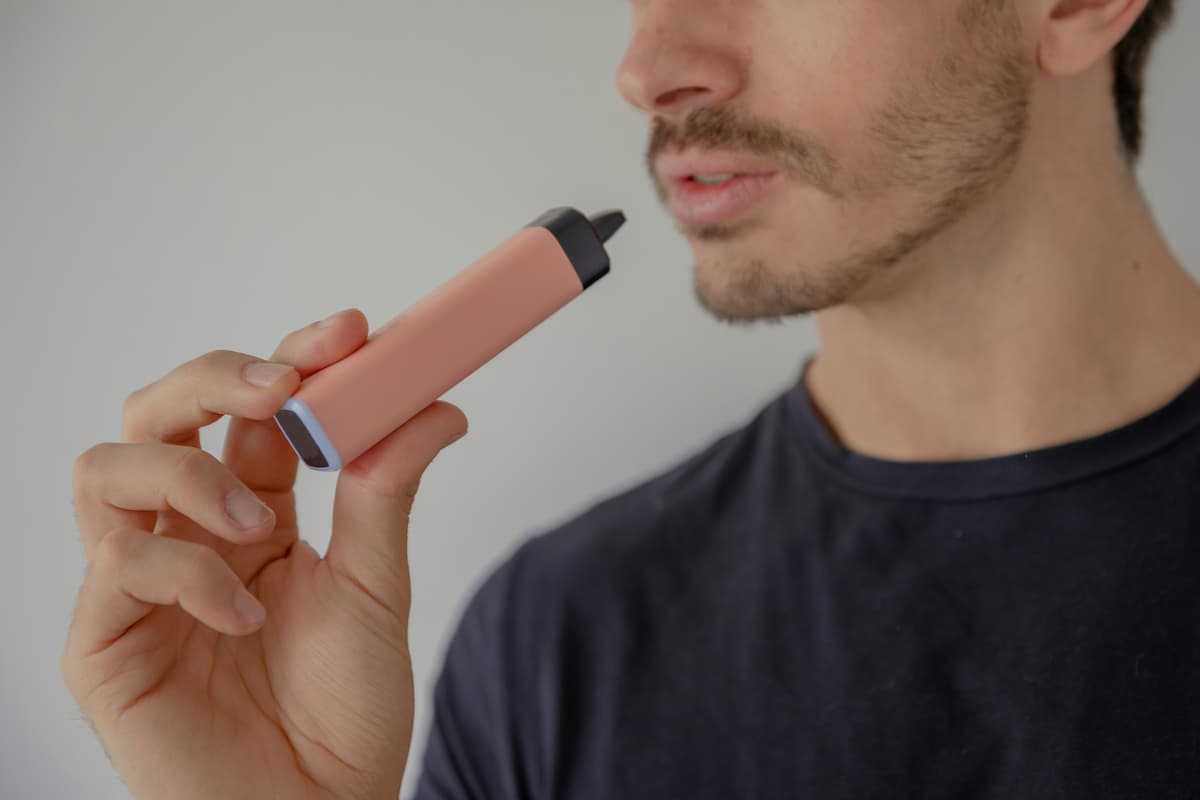
Other problems caused by the electronic cigarette
According to the article “Dermatological impact of electronic cigarette use – a literature review,” vape users can also experience dermatological issues, such as contact dermatitis and even burns on hands, thighs, and genitals.
Another concern is secondhand vaping. People who do not smoke but are near someone who does can be exposed to harmful substances. Those with respiratory conditions, like asthma, should stay away from electronic cigarette vapor.
The risks of the electronic cigarette are also linked to propylene glycol, vegetable glycerin, and flavorings. Check out what these substances can cause:
- Propylene glycol: A colorless and odorless liquid used in cosmetics and medications. It creates the “mist” when heated and acts as a solvent by dissolving nicotine and flavorings. Propylene glycol may irritate the respiratory tract and eyes, especially in individuals with respiratory issues.
- Vegetable glycerin: A thick, sweet liquid that adds flavor and vapor volume. When heated and inhaled, vegetable glycerin can irritate the respiratory tract.
- Flavorings: They add taste and aroma and are generally combined with propylene glycol and vegetable glycerin. The problem is that many flavorings were developed for food use, and when inhaled repeatedly, they can irritate the respiratory tract and worsen pre-existing respiratory conditions.
Does quitting smoking end erectile dysfunction?
In some early cases, quitting smoking can help improve erectile function, but results vary depending on each patient’s clinical scenario.
We say “in some cases” because blood vessels may already be severely damaged. Another situation is when the penis has developed fibrosis, scars formed by attempting penetration without full rigidity. In these cases, the physician may consider a penile prosthesis as one of the treatment options, depending on individual evaluation.
Treatments and care for erectile dysfunction in men
Treating erectile dysfunction addresses both the underlying cause and the erection problem itself. For example, if the dysfunction results from diabetes, improving blood circulation is necessary.
The erection issue is treated with oral medications that inhibit the enzyme phosphodiesterase-5, such as Sildenafil (Viagra), Tadalafil (Cialis), Vardenafil, or Lodenafil. If this first approach does not work, the doctor may prescribe intracavernosal injections.
Self-care therapies, such as maintaining mental health, a healthy diet, regular exercise, moderate alcohol consumption, and not smoking, are also part of the treatment.
What to do if you notice symptoms of impotence?
Although it is more common in men over 40, erectile dysfunction in younger men is a reality and is associated with smoking (vape or traditional cigarettes) and other lifestyle factors.
Difficulty achieving or maintaining an erection is a problem when it occurs frequently. In this situation, you should consult a urologist to understand the causes and receive proper treatment.
Seeking a urologist’s guidance is essential for improving a man’s sexual health.
Dr. Paulo Egydio can help identify the causes of erectile dysfunction and guide you on the most appropriate treatment options. Complete your pre-analysis and receive personalized advice in your email.
The information provided here is for educational purposes and does not replace a face-to-face medical consultation. Only an individualized clinical evaluation by a urologist can determine the most suitable treatment.
Learn more:
- Male Self-Care: Why Is It Important for Health?
- Learn All About Enlarged Prostate: Causes, Diagnosis, and Recommended Treatments
- Does Stress Decrease Libido? Learn How to Identify and Treat It
- What Is Ejaculation? Answers to Your Main Questions
- Consequences of Male Sexual Abstinence and the Problems It Can Cause
- 10 Tips for Penis Care to Maintain Health and Prevent Infections and Diseases
- See What Causes Erectile Dysfunction and Available Treatments
- Prostate Surgery: What to Expect, Risks, and Recovery
- Gut Health and Sexual Function: The Connection