
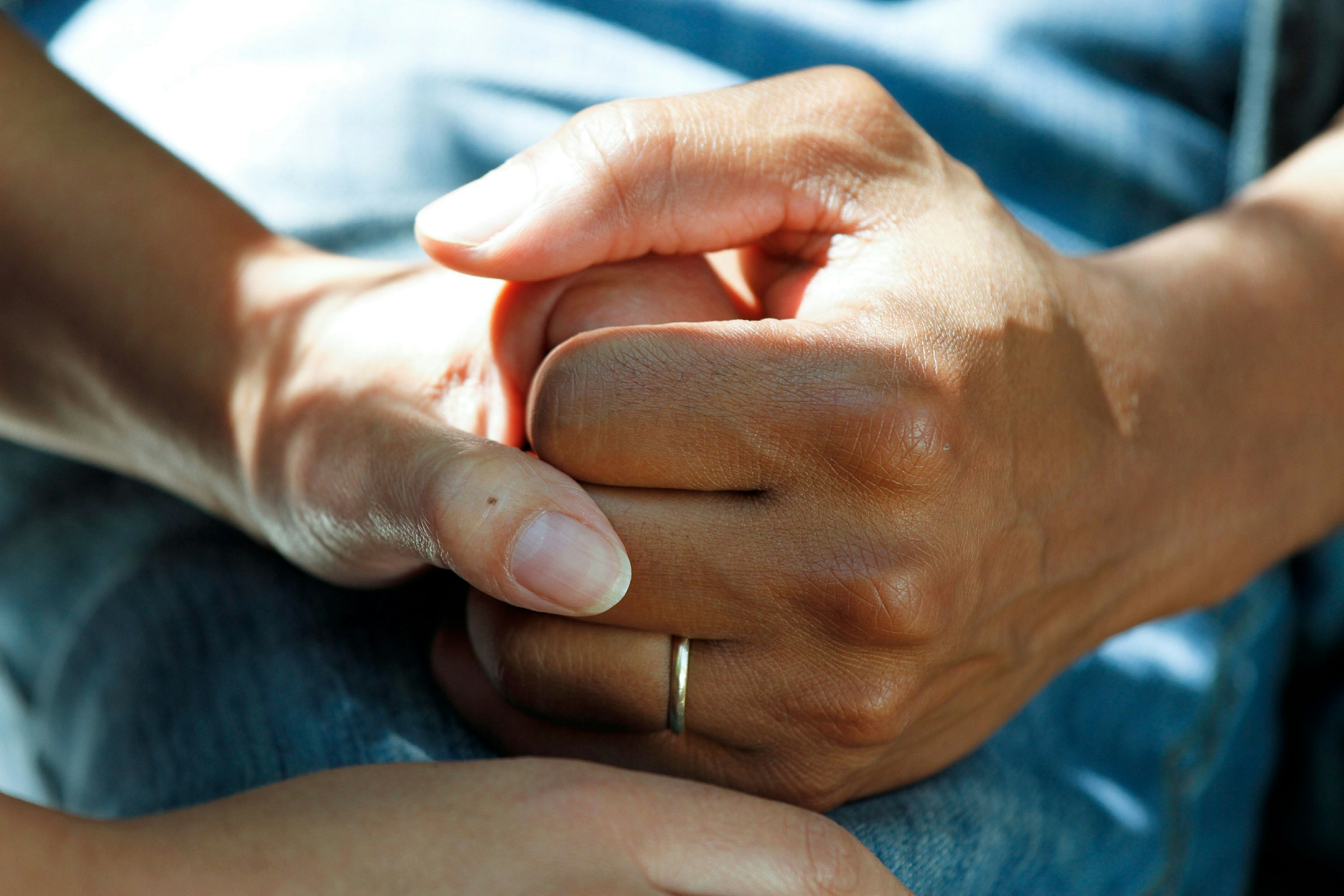
Understanding how to cope with a prostate cancer diagnosis involves an open conversation with your doctor to clarify disease stage, treatment options and side-effects. Relying on the support of family and friends can help the patient feel more supported throughout the process. Learn more!
We understand how hard it is not knowing how to cope with a prostate cancer diagnosis.
That’s why we created this guide for anyone recently diagnosed. We cover how to confront a prostate cancer diagnosis, treatment stages and the importance of mental-health care throughout the journey.
The material is also aimed at friends and relatives, who play a key role in psychological support and the quality of life of those in treatment.
The impact of the diagnosis: fear, insecurity and anxiety
Receiving a prostate cancer diagnosis can trigger feelings of fear, insecurity and anxiety.
The first days after the news are often marked by doubts about treatment and strong emotional shock, because this disease can affect self-esteem, compromise physical and mental well-being and disrupt life plans.
Recognising these reactions as natural when facing cancer is the first step to dealing with these emotions in a conscious and healthy way.
What to do after receiving the diagnosis?
Getting a prostate cancer diagnosis is challenging — and knowing what to do next can be even harder.
First, talk to your doctor to understand exactly what prostate cancer is, which stage was diagnosed, what treatment options exist and the possible side-effects of each one.
If you still have questions afterwards, remember that seeking a second opinion is your right. Having clarity about every aspect of the condition provides confidence to make suitable choices.
Research can also help, but it requires caution. Ask your doctor for reputable health institutions to access accurate information.
Finally, speaking openly with family and friends can provide valuable emotional support. Having a support network is important for quality of life both during diagnosis and treatment.

Talk to your doctor about the entire process
Once prostate cancer is confirmed, it is essential to maintain an open dialogue with the physician. This conversation helps the patient understand all treatment stages and make secure decisions.
Ask everything you deem necessary, without fear of sounding repetitive. The more you know about your condition, the more prepared and proactive you will be in caring for your health.
If useful, jot down questions before the appointment and, whenever possible, go with someone you trust — it helps absorb information.
Remember that doctor–patient communication should be clear and accessible. Professionals must avoid excessive medical jargon and use simple language so the patient leaves the consultation with all necessary clarifications, as highlighted by this study from the Amazonas Oncology Control Center.

Consider a second opinion
Getting a second opinion is a patient’s right and should not be seen as distrust of the first doctor.
Reasons include confirming the diagnosis, better understanding the stage of disease, learning other prostate cancer treatment options and exploring the risks and benefits of each approach.
Search information from reliable sources
With a prostate cancer diagnosis, it’s natural to want more details about the disease and what to expect from treatment.
However, make sure your search is done through reliable sources such as the Brazilian Ministry of Health. You can also ask your doctor for other safe recommendations, such as websites of institutions specialising in cancer control.
Talk openly with family and friends
A diagnosis triggers fear and insecurity. Therefore, discussing prostate cancer with loved ones can ease emotional burden.
When they understand what is happening, your circle can prepare to help: attending appointments, assisting with daily tasks or simply being present.
Additionally, sharing doubts and concerns about treatment strengthens bonds and helps create a lighter atmosphere.
Join support groups and seek psychological help
Support groups are an effective way for men to learn how to deal with a prostate cancer diagnosis.
Listening to and sharing stories is often comforting and, for some people, helps them handle challenges better.
In addition to groups, psychotherapy sessions are also recommended.
According to a study with patients from Barretos Cancer Hospital, psychological support from psycho-oncology professionals can help reduce anxiety and stress, and improve quality of life.

Prepare for possible side-effects
In prostate cancer treatment, side-effects vary by person and by chosen approach. The most common include fatigue, urinary symptoms, erectile dysfunction and hormonal changes.
That’s why strong medical follow-up is essential, offering clear guidance on what to expect, ways to minimise symptoms and strategies to maintain quality of life.
Maintain healthy habits
Recurrence can happen at the original site, nearby areas or spread to bones, lungs or other organs. Healthy routines can help lower the risk of the cancer reappearing.
In prostate cancer, these good habits include:
- Medical follow-up: regular appointments with lab tests and imaging, including PSA and MRI;
- Lifestyle: healthy diet, physical activity and weight control;
- Risk reduction: quit smoking, avoid alcohol and manage stress;
- Complementary treatments: hormone therapy, chemotherapy or immunotherapy.
Available treatment options
There are several prostate cancer treatments. The choice depends on stage, age and overall health. Explore the approaches:
- Radiotherapy: radiation to destroy cancer cells, either internal or external;
- Hormone therapy: reduces male hormones that stimulate tumour growth;
- Chemotherapy: drugs used to kill cancer cells, indicated for advanced cases;
- Immunotherapy: stimulates the immune system to recognise and fight cancer cells;
- Radical prostatectomy: surgical removal of the prostate.
Remember to care for physical and emotional health during treatment
Staying physically active with walks, stretches and other light exercises — always with medical guidance — plus a balanced diet helps boost energy and lessen side-effects.
However, mental-health care is as important as physical health during therapy. Talking about prostate cancer with family and friends, joining support groups and attending therapy sessions help manage emotional challenges.

What to expect from life after diagnosis?
Many men can return to activities after prostate cancer treatment. Recovery involves both physical and mental health and, over time, it’s possible to rebuild a quality routine while respecting personal limits and needs.
In this new phase, sexuality after prostate cancer can be challenging. Issues such as erection problems and low libido are common. According to an article in the Brazilian Cancer Journal, more than 90 % of men reported sexual changes after treatment.
Talking openly about these difficulties with the medical team and partner is essential. Sexuality remains part of life and can gain new meaning after treatment.
In this process, sex therapy is an important ally, helping couples handle changes and learn new ways to live intimacy.
You are not alone on this journey
Knowing how to cope with a prostate cancer diagnosis is difficult, but remember you are not alone.
Talk with family and friends, join support groups and seek specialised psychological help to go through this journey with more balance.
Facing a prostate cancer diagnosis requires safe information for conscious choices. For personalised guidance on sexual symptoms, contact us via this form.
Learn more:
- What to Do When a Man Loses Desire for His Wife? Discover Possible Causes and Treatments
- After a Penile Prosthesis: What Changes in a Man’s Life?
- Inflatable Penile Prosthesis
- Colorectal Cancer: Cure Rates, Treatment, and Prevention
- Pelvic Fractures: 04 Symptoms of Pelvic Injuries
- Penile Implant Touch: Artificial or Natural?
- Penis Anatomy: Structure, Erection, and Ejaculation
- Difficulty Ejaculating? See 5 Causes and Solutions