

Diabetes can contribute to the development of cardiovascular and kidney problems. When uncontrolled, it can increase the risk of amputations and also impact men’s sexual health, with the possibility of causing erectile dysfunction and ejaculation problems. Continue reading to learn more about the dangers of diabetes and how to prevent it.
The complications of diabetes affect the heart and kidneys, cause blindness, and can result in the amputation of lower limbs. Sexuality is also affected because, with compromised circulation, the penis does not receive enough blood for an erection.
Therefore, it is recommended that diabetics follow prescribed medications, maintain a healthy diet, engage in physical activity, and have regular medical check-ups to minimize the risk of complications.
In this text, we will discuss the dangers of uncontrolled diabetes and measures that can be taken to control and treat the condition.
Complications resulting from diabetes
The complications of type 2 diabetes are the most well-known. They involve failures in the functioning of the heart and kidneys, as well as blindness due to the obstruction of blood vessels. Understand:
Cardiovascular diseases
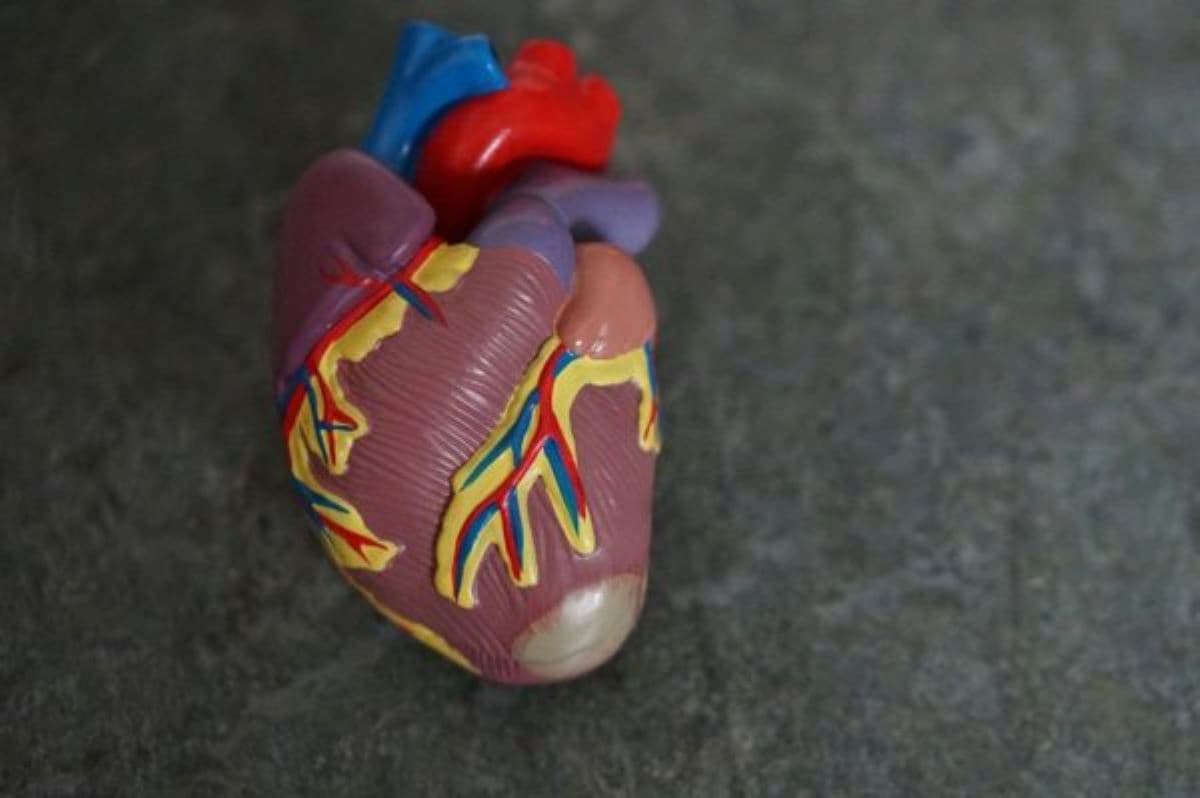
Diabetes mellitus and cardiovascular diseases are related and worsen each other. This is because the disease creates fatty plaques that harden the arteries, which hinders circulation and increases blood pressure, potentially leading to a heart attack.
Heart disease decreases blood flow and increases the risk of skin ulcers. Additionally, medications to treat heart problems, such as corticosteroids, can increase appetite, and if the patient consumes nutrient-poor foods, it can lead to abdominal fat accumulation.
Also read: Obesity and erectile dysfunction: Understand how being overweight affects erections
Diabetic neuropathy
Diabetic neuropathy is one of the main chronic complications of type 2 diabetes, but it is also considered one of the complications of type 1 diabetes.
Excess sugar reduces blood flow to the hands and feet and manifests with the following symptoms:
- loss of sensation;
- burning;
- tingling.
Another symptom is dryness, especially in the feet. The condition causes cracks that evolve into wounds that do not heal. This condition is called diabetic foot, and when there is a loss of sensation, a lesion may puncture the skin without the person feeling it.
Treatment can include the use of specific creams, appropriate footwear, a balanced diet, and medical follow-up. In untreated cases, amputation may be necessary. Diabetic neuropathy is one of the most common causes of non-traumatic amputations, that is, those not related to accidents.
Circulatory problems
Diabetes clogs arteries, preventing blood from circulating properly. This reduced flow results in non-healing foot wounds, heart attacks, strokes, and kidney disease.
Kidney problems
Kidney problems are complications of diabetes type 1 and also of type 2 diabetes. This is because high blood sugar levels cause the kidneys to work harder to filter the blood. This effort damages blood vessels, and the body cannot eliminate excess proteins.
Why can diabetes cause blindness?
In glaucoma, the optic nerves are damaged, and if not treated, it causes blindness. Diabetics are 40% more likely to develop glaucoma.
Another eye disease associated with diabetes is cataracts. In this condition, fluids accumulate in the lens of the eye. This fluid buildup causes blurred vision, makes it difficult to see at night, and can cause blindness if not treated.
As for the complications of type 1 diabetes, diabetic ketoacidosis is one of the main ones. It is a drastic drop in insulin that generates the production of acids that accumulate in the body. Diabetic ketoacidosis is also part of the acute complications of type 2 diabetes mellitus when the patient has an infection.
How can diabetes cause erectile dysfunction?
Diabetes damages nerves and blood vessels, preventing blood from reaching the penis, and either the erection does not happen, or if it does, it is not firm.
According to the article “Sexual dysfunction associated with diabetes mellitus in men: literature review”, approximately 50% of men with diabetes have erectile dysfunction.
Symptoms of erectile dysfunction in diabetics
The symptoms of erectile dysfunction in men with diabetes are the same as those who do not have the disease: difficulty achieving or maintaining an erection.
Recommended treatments for ED in diabetics
Treatments for erectile dysfunction caused by diabetes include the following options:
- Phosphodiesterase inhibitor medications: Viagra, Cialis, and Levitra increase blood flow to the penis and improve erections;
- Intracavernous injections: applied to the cavernous bodies, these injections increase blood flow and make the penis erect. These are options when phosphodiesterase inhibitors do not work;
- Testosterone replacement: when hormone levels are low, replacement therapy can be prescribed;
- Vacuum therapy: a vacuum pump that draws blood to the cavernous bodies and stimulates an erection.
When is a penile prosthesis recommended?
A penile prosthesis is recommended for men with type 1 or type 2 diabetes who did not achieve results with oral medications, injections, or vacuum therapy.
To determine if a prosthesis is truly necessary and which type is most appropriate, the man should be evaluated by a urologist.
How to control diabetes to avoid complications?
To avoid complications from diabetes, it is essential to:

- Follow-up with a cardiologist, endocrinologist, and urologist;
- Use the prescribed therapy, insulin for type 1 diabetes, and oral medications for type 2 diabetes;
- Balanced diet;
- Physical exercises;
- Foot care if the person has diabetic foot.
How to prevent diabetes?
Type 1 diabetes is an immune disease in which defense cells attack the pancreas, and the body produces little or no insulin, so it cannot be prevented.
However, type 2 diabetes can be prevented with healthy habits, such as:
- Balanced diet with whole grains, fruits, and vegetables;
- Maintaining a healthy weight;
- Physical activity;
- Regular check-ups;
- If consuming alcohol, do so in moderation;
- If you smoke, quit the habit.
Lack of diabetes control can increase the risk of complications such as lower limb amputation, heart attack, stroke, blindness, and kidney problems. Diabetes also affects sexuality, and men may experience erection problems.
If there are signs of erectile dysfunction, a pre-evaluation with Dr. Paulo Egydio can help identify the next steps to improve your sexual health. Send a message and receive an initial analysis in your email within 24 hours.