

Stroke can cause erectile dysfunction due to brain injuries that affect neurological functions involved in erection, as well as potentially compromise motor skills and speech.
Stroke can cause erectile dysfunction because brain injuries resulting from it can hinder the activation of mechanisms responsible for increasing blood flow necessary for erection to occur.
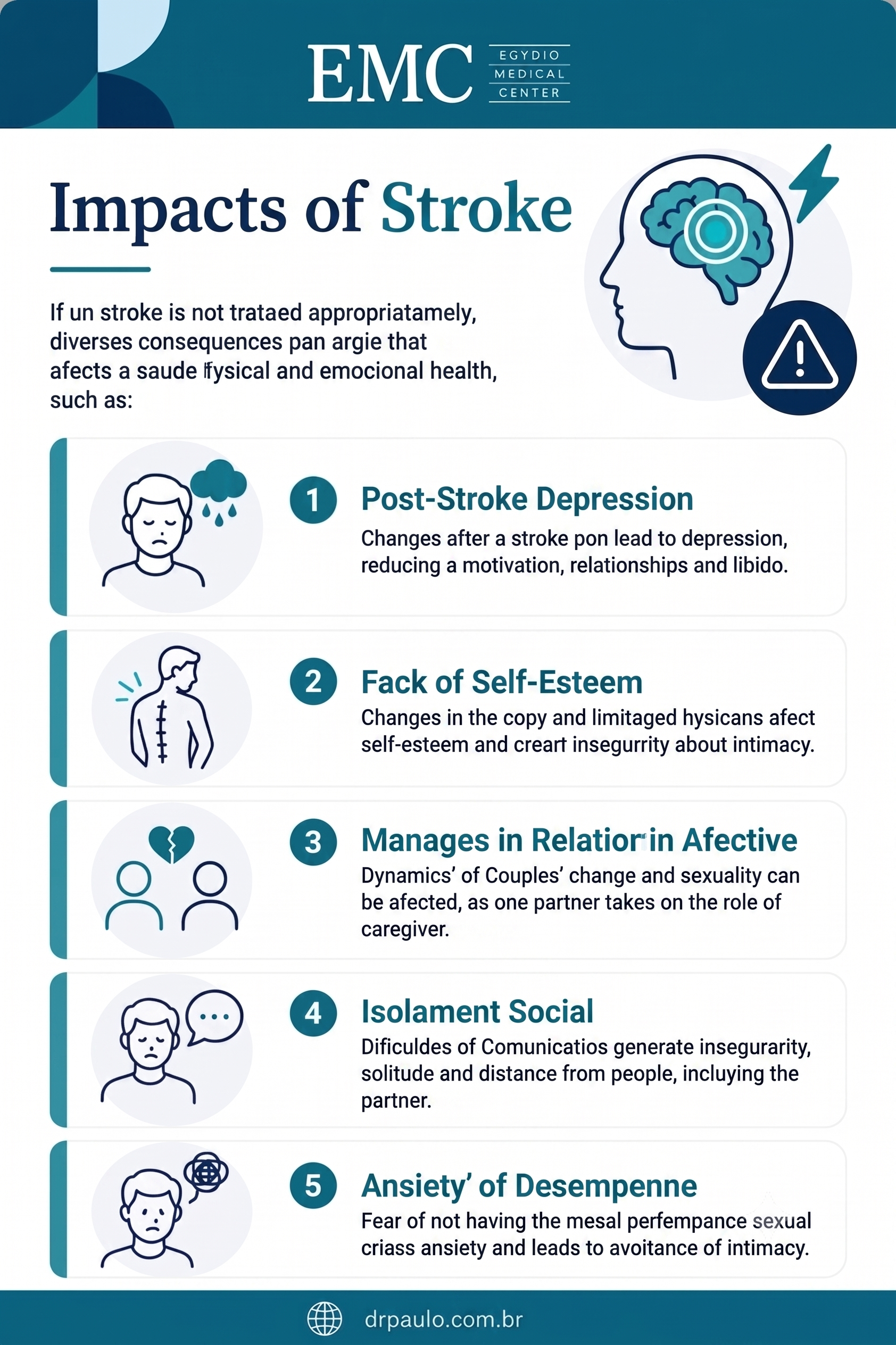
Additionally, stroke can bring emotional impacts, such as anxiety, depression, and reduced self-esteem, factors that interfere with sexual life and quality of life in general.
Below, understand how stroke affects erectile function and what are the possibilities for rehabilitation of sexual life after brain injury.
What is a stroke and its main consequences
Stroke is an alteration of blood flow in the brain, and can be hemorrhagic or ischemic. Learn the differences between the two types of stroke:
- Hemorrhagic stroke: rupture of a blood vessel that causes bleeding in brain tissue or on the surface between the brain and meninges. According to the Ministry of Health, 15% of stroke cases are hemorrhagic;
- Ischemic stroke: blockage of an artery that prevents oxygen from reaching brain cells which then die. About 85% of stroke cases are ischemic.
Regarding stroke sequelae in sexual life, this happens because neurological injuries resulting from stroke affect important stages of sexual response. That’s why it’s common to see reports from men with low libido, erectile problems, or difficulties with ejaculation.

Can stroke cause erectile dysfunction? Understand the connection
Yes, stroke can cause erectile dysfunction. Studies show that the impact on erectile function tends to be more significant in patients with multiple brain lesions when compared to those who suffered only one lesion.
The relationship between stroke and erectile dysfunction occurs because stroke can compromise structures of the nervous system responsible for sexual desire, response to excitement, and mechanisms that allow erection.
Learn which ones they are and why they are important:
Middle cerebral artery and posterior cerebral artery
- Middle cerebral artery: irrigates areas of the frontal and parietal lobes, regions involved in motor control and processing of various stimuli, including those related to sexuality.
- Posterior cerebral artery: supplies blood to structures linked to the limbic system, a set of brain areas responsible for regulating emotions, motivation, and sexual desire.
Basal ganglia
The basal ganglia are deep brain structures that participate in the coordination of movements and various automatic behaviors.
Changes in this region can interfere with reflexes and neurological responses involved in sexual function.
Brainstem
The brainstem connects the brain to the spinal cord and controls automatic vital functions, such as breathing and heart rate. Additionally, it participates in the transmission of nerve signals related to the mechanisms of erection.

What mechanisms of stroke affect sexual function?
Stroke sequelae in sexual life result from physical and psychological factors. Learn the stroke mechanisms that compromise sexual function:
Neurological injuries: Stroke can damage brain areas associated with sexual response, including the hypothalamus, limbic system, basal ganglia, and brainstem. These structures participate in controlling sexual desire, excitement, and reflexes involved in ejaculation and erection.
Interference in brain-body communication: Communication between the brain and the rest of the body occurs through the spinal cord and peripheral nerves. Therefore, brain injuries can hinder the transmission of nerve signals necessary for erection and orgasm, even when sexual desire is preserved.
Vascular problems: Erection depends on increased blood flow to the penis. Stroke can affect brain regions and nerve pathways involved in controlling this mechanism, making it difficult to properly regulate blood circulation necessary for erection, even in the presence of sexual stimulus.
Hormonal changes: Stroke can cause hormonal disorders when it reaches structures like the hypothalamus, responsible for regulating the release of various hormones, including those related to testosterone production.
Additionally, physical and emotional stress resulting from stroke and the use of some medications, such as antidepressants, can also contribute to reduced testosterone levels and libido.
Emotional and psychological impacts of stroke on sexual life
Emotional disorders are common in people who have suffered a stroke and affect sexuality. Among the most common are anxiety, depression, and reduced self-esteem.
Is it possible to recover erectile function after a stroke?
Rehabilitation of sexual function after a stroke can occur in certain cases, depending on factors such as the location and extent of brain injury, the patient’s general health status, and the emotional impact caused by the event. Each situation requires individualized assessment.
Recommended treatments for post-stroke erectile dysfunction
Treatment varies depending on the cause and severity of the condition. Among the options that can be considered are:
- Medications for erection: In some cases, treatment of erectile dysfunction may include the use of PDE5 inhibitors, always with medical prescription and individualized assessment of the patient’s clinical history.
- Psychological support: Psychotherapy can help manage anxiety, low self-esteem, depression, and other emotional issues that interfere with sexual life.
- Risk factor management: Maintaining controlled blood pressure, cholesterol, and blood glucose contributes to vascular health and can promote erectile function.
When to seek specialized help?
If erectile difficulty arose after a stroke and is affecting your quality of life, it is important to seek medical evaluation. Identifying the cause allows defining the most appropriate treatment strategy for each case.
For an individualized assessment of your situation, it is recommended to consult a specialist doctor who can analyze your clinical history and indicate the most appropriate treatment options.