

A burning sensation in the penis may be related to an infection associated with poor hygiene or to more serious conditions such as sexually transmitted infections. Learn more!
The sensation of burning in the penis may be related to factors such as poor hygiene, urinary problems, and infections transmitted through unprotected sexual contact.
Regardless of the cause, this symptom deserves attention. When it persists, recurs, or is accompanied by other signs, it is important to seek medical evaluation to investigate the cause and indicate the appropriate management.
Continue reading to understand what may cause a burning sensation in the penis, which signs deserve attention, and which approaches may be indicated in each case.
Is a Burning Sensation in the Penis Always a Sign of Infection?
A burning sensation in the penis does not always mean infection. The symptom may also be urethral sensitivity due to local inflammation, urinary problems, or prostate changes.
Even temporary irritation from contact with substances found in soaps and condoms may cause a burning sensation in the penis.
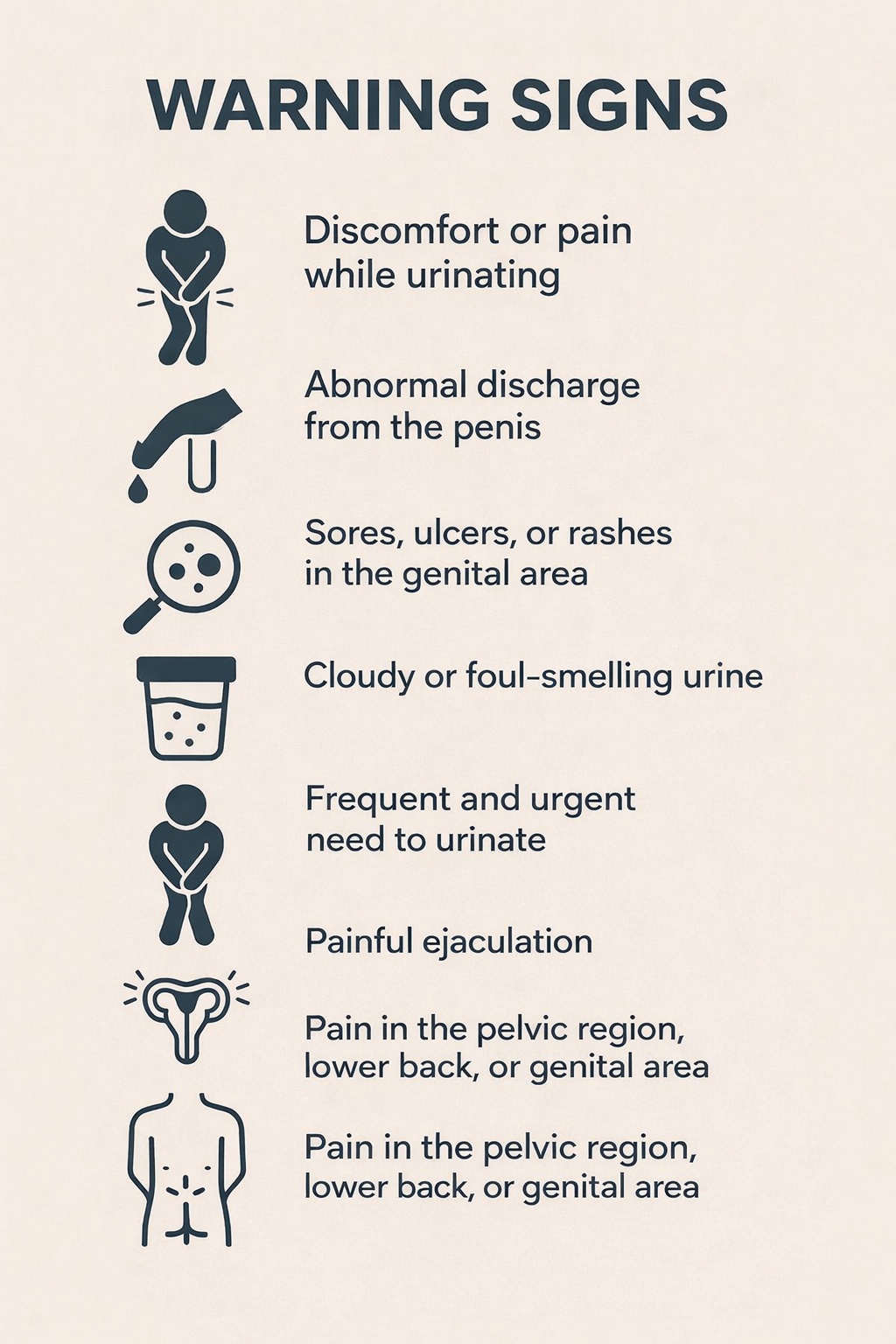
If the burning persists, happens frequently, or is accompanied by other symptoms, it is important to seek medical evaluation. When the burning sensation is accompanied by pain during urination, fever, sores, discharge, or progressive worsening, medical evaluation should be considered a priority.

Main Causes of Burning Sensation in the Penis
The causes of a burning sensation in the penis are varied and include sexually transmitted infections, urinary tract infection, and even allergies.
1. Sexually Transmitted Infections (STIs)
STIs, such as chlamydia, gonorrhea, syphilis, and herpes, are among the frequent causes of genital burning.
These infections may be caused by fungi and bacteria that can be transmitted during unprotected sexual intercourse. Condom use is essential to help prevent these conditions.
- Chlamydia: a bacterial infection that may cause penile discharge and testicular pain. Symptoms may progress to more serious complications when left untreated.
- Gonorrhea: a bacterial infection that may cause burning during urination in men, in addition to purulent discharge.
- Syphilis: also a bacterial infection, it may cause painless penile lesions and skin rashes. Untreated syphilis may affect the heart and the brain.
- Genital Herpes: transmitted by the herpes simplex virus, genital herpes may cause symptoms such as blisters in the genital region, burning in the penis, and male urinary discomfort.
2. Male Candidiasis
Candidiasis is a common fungal infection that may affect both men and women.
In men, the fungus Candida albicans may cause burning, itching, and whitish flaking on the glans and foreskin of the penis.
In cases where there is a confirmed diagnosis of male candidiasis, management may include topical or oral antifungal medications, according to medical evaluation.
3. Bacterial Infections
In addition to STIs, other bacterial infections and local inflammations may also cause a burning sensation in the genital area.
Other conditions may also cause this symptom. See below:
- Epididymitis: inflammation of the epididymis, usually caused by bacterial infection. It may cause pain and swelling in the testicles, in addition to burning during urination.
- Balanitis: inflammation of the glans and foreskin, often caused by poor hygiene, infections, or allergies. It may cause redness, burning, and discharge.
Related: 5 Causes of Penile Inflammation: Symptoms and Treatments for Each One
4. Urinary Tract Infection
Urinary tract infections, usually caused by bacteria, may cause burning during urination in men. These conditions may interfere with urinary comfort and cause significant discomfort.
In addition to burning during urination, some symptoms include frequent urge to urinate, lower abdominal pain, and cloudy or strong-smelling urine. Treatment usually involves the use of antibiotics, according to medical guidance.

5. Urethritis
Urethritis is an inflammation of the urethra, the channel that carries urine from the bladder to outside the body. It may be associated with infections and cause itching, pain during urination, and burning in the penis.
Symptoms of urethritis include itching in the urethra, pain during urination, and burning in the penis.
6. Prostatitis
Prostatitis is inflammation of the prostate that may cause some type of male urinary discomfort, such as increased nighttime urination.
Other symptoms of prostatitis include pain during erection or ejaculation and discomfort in the penis, testicles, or the area between the scrotum and anus.
7. Irritation from Soaps or Intimate Products
Some soaps, spermicides, and condoms may contain irritating substances that cause burning in the penis because they may alter the natural balance of the skin in the intimate area. Therefore, choosing gentle products that are well tolerated by the skin of the intimate area may help reduce irritation.
Balanoposthitis — inflammation affecting the glans and foreskin — may also cause burning in the area, as well as redness, sensitivity, and discomfort along the penile shaft.
Poor intimate hygiene and the use of unsuitable products for the area are among the main causes of this condition.

Burning Sensation in the Penis After Sexual Intercourse: What Could It Be?
Lack of lubrication is one of the most common causes, because it increases friction during sexual intercourse. The use of lubricants and adequate lubrication before intercourse may help reduce this discomfort.
Starting sexual intercourse with insufficient lubrication may cause micro-injuries to the skin of the penis, which may result in burning or irritation in the area.
In addition, burning or pain after sex may also be related to infections caused by bacteria, viruses, or fungi that affect the urethra or genital region.
If the symptom is accompanied by discharge or other unusual signs, it is important to seek evaluation from a urologist.
Warning Signs
How Is the Diagnosis Made?
Diagnosis to determine the cause of a burning sensation in the penis includes:
- Clinical evaluation: the urologist asks the patient about when the symptom started, its intensity, and whether it is associated with urinary problems or sexual activity.
- Urine test: to help identify the presence of bacteria or signs of inflammation.
- STI tests: to collect male urethral discharge or request blood and urine tests;
- Ultrasound, when necessary: requested to evaluate the bladder, prostate, and other urinary tract structures.
Recommended Treatments for Burning Sensation in the Penis
Treatment for burning sensation in the penis depends on the underlying cause. Here are some options:
- Antibiotics: For bacterial infections.
- Antifungals: For fungal infections, such as candidiasis.
- Proper hygiene: For cases of balanitis.
Each case is unique, and defining the appropriate management depends on a proper diagnosis. Medical evaluation is important to guide the investigation and the most appropriate treatment plan.
Care and Ways to Prevent Male Genital Burning
| Action | Description | Recommendations/How to Do It |
|---|---|---|
| 1. Intimate hygiene | Proper hygiene is essential to help prevent burning sensation in the penis. | Wash the penis at least twice a day with water and mild soap, paying special attention to the glans and foreskin. Poor hygiene may lead to bacterial infections and other problems. |
| 2. Hygiene tips | Specific care during cleaning. | Pull the foreskin back and clean the glans carefully. Dry the area well after washing to avoid a moist environment that may favor fungal growth. |
| 3. Protected sex | Using condoms may help reduce the risk of STIs and some infectious causes associated with genital burning. | In addition to reducing the risk of unintended pregnancy, condoms help reduce exposure to STIs. Some infections deserve medical attention because they may cause lesions and other complications. |
| 4. Importance of condoms | Additional benefits of condom use. | In addition to helping prevent diseases, condoms may help avoid injuries and irritation caused by friction during sex. |
General Health Care
Sexual experience should occur in a comfortable and pain-free way, always respecting the limits and well-being of both partners.
However, it may also bring health challenges if proper precautions are not taken to avoid discomfort during intercourse.
For this reason, it is important to adopt some care measures to help prevent burning sensation in the penis and other issues during and after sex, such as:
- Wash the genital area with warm water and mild soap before and after sexual intercourse, to reduce bacterial buildup and help prevent infections.
- Urinate after sexual intercourse, as this may help clean the urethra and reduce the risk of urinary tract infection.
- Use condoms correctly during all sexual intercourse to reduce the risk of sexually transmitted infections (STIs)
- Use water-based lubricants to reduce friction and discomfort during sexual intercourse.
- Avoid scented products, sprays, or gels that may cause irritation in the genital area.
- Check whether condoms, lubricants, and other intimate products are compatible with your skin and do not cause allergic reactions.
- Have regular health checkups, including STI testing, to detect possible conditions early and begin appropriate treatment.
These measures may help reduce the risk of burning sensation in the penis and other associated issues. Burning during sexual intercourse deserves attention, especially when it recurs, persists, or is accompanied by other symptoms.
Sexual health is an important part of overall well-being, so it is essential to take care of it attentively.
When Should You See a Urologist?
A man who has a burning sensation in the penis should see a urologist if the symptom persists for more than 2 or 3 days, or if it is accompanied by recurrent pain, discharge, or fever.
A burning sensation in the penis may indicate different conditions, and medical evaluation is important to investigate the cause and define the most appropriate approach.
Fill out the pre-analysis form to schedule an appointment with Dr. Paulo Egydio, a specialist in male sexual health with 27 years of experience.
Learn more:
What are the most common prostate diseases and their symptoms?
Types of penis: what they are, differences, myths, and curiosities
Male Masturbation: Benefits and Myths Explained
Male Hormones That Influence Your Health
10 Tips to Improve Sexual Performance in the Bedroom
What Is Ejaculation? Answers to Your Main Questions
What Is Andropause? Signs, Symptoms, and Treatments
4 Penile Surgeries: Are They Effective?
Penis Anatomy: Structure, Erection, and Ejaculation
10 Main Penile Diseases: What They Are, How to Identify, and Treat Them
Penile Pain: 12 Causes, Symptoms, and Treatments
Men’s Sexual Health: 7 Habits That Affect Performance and How to Improve It