

Aging and erection difficulties: how they affect sexual life and daily wellbeing
At what age do men start to lose sexual potency? The answer varies, but around age 50 many men may show some symptoms, since aging and erection difficulties are closely linked.
According to the Brazilian Sexual Life Study (EVSB), the prevalence of erectile dysfunction among men aged 50 to 59 reaches about 30–35%.
Younger men can also be affected, but the probability increases with age. After age 70, about half of Brazilians have difficulty achieving or maintaining an erection, according to the study.
Countries like the United States also examine at what age men lose potency and report scenarios similar to Brazil.
One study showed a link between erectile dysfunction and aging in a Boston community. Data collected in 2007 indicated that erection difficulties occur in 10% of men aged 30–39, rising to 59% in men aged 70–79.
An earlier 1994 study on male aging in Massachusetts, USA, found that erectile dysfunction affected 52% of men aged 40–70.
Research on erectile dysfunction shows that aging and erection difficulties go hand in hand. Over time, older men are more prone to health conditions that affect erections.
Keep reading and learn measures that may support sexual health and address impotence after 50.
Impotence after 50: testosterone reduction and sexual desire
A decrease in testosterone levels—when it lowers sexual desire—is another factor that interacts with erectile dysfunction.
Testosterone helps regulate libido and maintain tissues in functional condition. Studies indicate that testosterone levels in people aged 50 to 70 are about 50% lower than in men aged 20 to 40.
Total blood testosterone varies with age. Blood tests ordered by a physician indicate hormone levels in the body.
Aging and erection difficulties are also related to the medications a patient may be taking.
Medications for diabetes, blood pressure, Parkinson’s disease, or heart problems may favor erectile dysfunction at 30, 40, 50 or any age.
Erectile dysfunction symptoms can also be worsened in people undergoing chemotherapy and those using pain-reducing medications.
Psychological conditions such as depression, anxiety, and chronic stress also affect erection quality.
Important: if you suspect or are unsure how your medications contribute to erectile dysfunction, seek medical advice. Dose adjustments or medication changes may help.
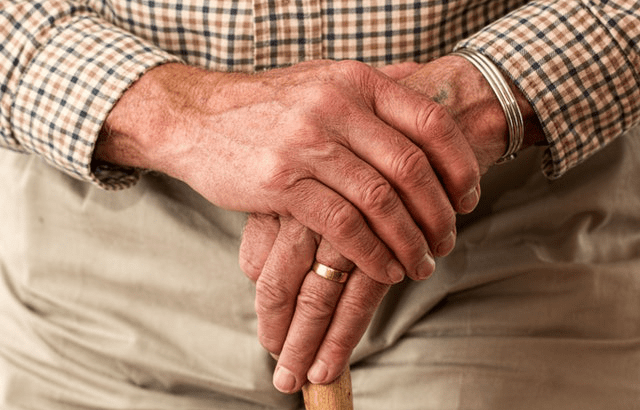
At what age do men start to lose potency?
Ultimately, at what age do occasional erection problems become a condition that deserves treatment?
It is important to distinguish that the spectrum of issues in men’s sexual health basically includes three factors:
- Lack of sexual interest;
- Emotional blocks that restrict sexual activity;
- Erection capacity (i.e., the function of the male sexual organ).
Organic and emotional problems related to sexual function may affect younger men, but research confirms the association between aging and erection difficulties.
A Harvard study with about 30,000 men found that only 2% had difficulties before age 40 and only 4% reported onset between 40–49. However, between 50 and 59, the proportion rose sharply to 26% and reached 61% after age 70.
The good news: although libido also declines with age, sexual desire was substantially better preserved than erectile function.
How to take care of sexual health as you age
An article from Harvard Health Publishing highlights that, in many cases, lifestyle changes can help extend sexual activity and support impotence after 50. Recommended interventions include:
- Increase physical activity: about 40 minutes of moderate-to-vigorous aerobic exercise, four times a week, may have a positive impact on cardiovascular health and, consequently, erectile function. Examples: running, swimming, cycling, brisk walking, or resistance circuits combined with aerobic activity.
- Keep weight under control: adopting strategies for weight loss and maintenance is essential. Studies suggest that modest weight reductions (about 5%–10%) may be associated with benefits for sexual health.
- Follow a balanced diet: foods rich in vegetables, fruits, whole grains, fish, healthy fats (such as olive oil), and moderation with red and processed meats are preferred choices.
- Strengthen the pelvic floor: Kegel exercises, repeated from 10 up to 100 contractions with hold and rest intervals, may help.
It is also important to have regular medical check-ups, generally after age 40 or as advised by your doctor. Hormonal tests, urological evaluation, and cardiovascular screening should be part of routine care to address impotence after 50.
Talk to a doctor and clear your doubts
Treatments for erectile dysfunction and guidance for better sexual health are common interests among patients seeking specialized care.
Over the years, specialized follow-up has helped men address impotence after 50 with discretion and individualized assessment.
Each case is unique, and partner involvement can also be considered as part of the process.
If you want to start an evaluation, you may complete the pre-analysis form: pre-consultation.
Learn more:
9 Main Causes of Male Impotence and How to Address Them
How to Improve Erection? 12 Practices That Support Sexual Health
Medication-Induced Erectile Dysfunction: Available Treatments
Top 5 Male Libido Supplements According to Studies
Erectile Dysfunction: What It Is, Main Symptoms and Treatments
Sexologist or Urologist: Which Specialist to See First?
Penis Pump and Penile Injections