

Treatment options for the acute phase of Peyronie’s disease include the use of medications, therapies, injections and, in severe cases, repair surgery.
Peyronie’s disease is a condition that affects penile tissue, resulting in abnormal curvature during erection. In its acute phase, also called the inflammatory phase, symptoms can be intense and negatively impact the patient’s sexual quality of life.
During this phase, treatment aims to control inflammation and reduce the progression of curvature, which may contribute to symptom relief. However, this is only possible when the man seeks help early.
Learn more about the different therapeutic methods used in Peyronie’s disease, aimed at preserving penile function and improving quality of life.
Symptoms of the acute phase of Peyronie’s disease
The acute phase of Peyronie’s disease is characterized by the sudden onset of inflammatory symptoms that lead to the progression of the condition.
Inflammation occurs due to the formation of fibrous plaques in penile tissue which, if not treated, can lead to deformation of the organ.
In most cases, penile pain in the initial phase of Peyronie’s is the most evident symptom. This discomfort happens during erection. When the patient presents this complaint, it becomes easier to detect the condition.
The signs that may indicate Peyronie’s disease can also manifest as:
- Pain during erections;
- Appearance of curvature in the penis;
- Perception of loss of length of the penis;
- Appearance of deformities, such as unilateral depressions or narrowings in the body of the organ;
- Emergence of lumps that can be palpated when the penis is flaccid.
As it advances, the inflammation begins to scar, resulting in symptoms of the chronic phase of the disease.
Available treatments for the acute phase of Peyronie’s disease

Treatments for the acute phase of Peyronie’s disease are intended to try to prevent the progression of the condition and the future need for surgery.
In addition, great care is needed not to strain the organ in this phase, whether during sexual intercourse, when manipulating the penis, when sleeping face down, or when wearing very tight clothing.
Only after analyzing the patient’s condition is it possible to prescribe the appropriate treatment, which may be just one option or an association of the options below.
Administration of oral anti-inflammatories
Treatment with oral anti-inflammatory medication aims to relieve pain and act on the inflammatory process of penile tissue affected by Peyronie’s.
However, this treatment is not done alone. Generally, the patient should use the medication together with other complementary treatment methods, such as physiotherapy and changes in sexual behavior.
Use of specific ointments
In mild cases of inflammation, the use of ointments for Peyronie’s alone may be indicated to combat inflammation.
These topical medications have been studied with the purpose of reducing the formation of scar tissue and possibly containing the progressive curvature of the penis.
This treatment alternative for the inflammatory phase is controversial, since not all ointments are truly effective.
Injections
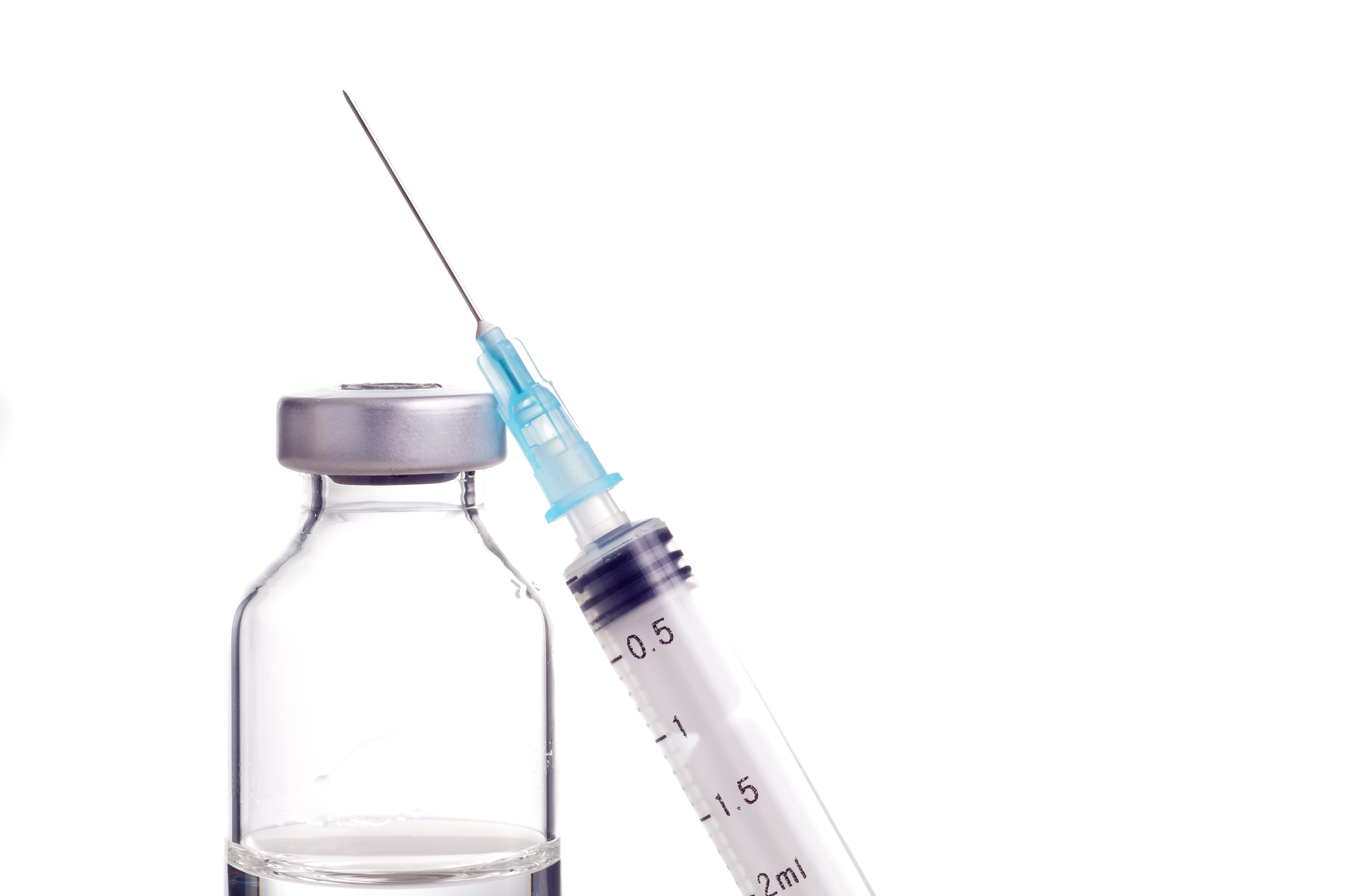
Penile injections are also a way to treat the acute phase of Peyronie’s disease.
In this method, substances such as Verapamil, Interferon and Collagenase (Xiaflex), which are enzymes used to break down fibrous tissue and restore elasticity to the penis, are used.
In general, the injections are applied at the exact site of penile fibrosis, and in most cases several injection sessions are necessary.
The method does not always produce a result, being an alternative that needs good indication, in addition to combination with penile exercises.
Physiotherapy with traction
In some situations, the acute phase of Peyronie’s disease also requires traction physiotherapies performed directly on the body of the penis.
This type of physiotherapy can be done with hand movements, or with the use of special devices.
The goal is to minimize the risk of retractions resulting from scarring and to help stabilize the condition.
Low-intensity shock wave therapy and stem cells
When fibrous tissue is already forming in the penis inflamed by Peyronie’s, administering shock wave therapy may be considered, as well as the use of stem cells in more complex treatments.
These treatments are still under study and it is not yet known which application protocol is most appropriate, nor whether these options are truly effective.
Surgery to repair penile curvature
Surgery is not usually a treatment method indicated for the acute phase of Peyronie’s disease. However, there are cases in which the inflammatory phase evolves with few signs, and the patient arrives already presenting penile deformities that impact sexual life.
In these cases, performing surgery for Peyronie’s may be indicated.
Surgery aims to expand the affected tissues to restore the size and caliber of the penis up to the limit of the nerves.
Since many patients have associated erectile dysfunction, placement of a penile prosthesis is also necessary—which can also prevent the disease from reappearing.
Recurrence or worsening of symptoms of Peyronie’s disease
Recurrence of Peyronie’s disease—either with the reappearance or worsening of penile curvature or the formation of a new fibrous plaque after treatment—varies among patients.
In follow-up analyses of the American Urological Association (AUA) guidelines, about 48% of analyses showed progression or worsening. The data show that risk depends on individual factors, the stage of the disease at the time of treatment, and long-term follow-up.
In the event of recurrence of Peyronie’s disease, a new clinical or surgical treatment can be initiated. If symptoms worsen and fibrosis reaches the chronic phase, the man may need surgery.
Frequently asked questions
Differences between the phases of Peyronie’s disease
Peyronie’s disease is characterized by two distinct phases: acute and chronic.
In the acute phase, there is the sudden onset of symptoms, such as pain and abnormal penile curvature.
In the chronic phase, symptoms may stabilize or decrease, but the fibrous plaques are already formed and the curvature stabilizes, possibly persisting long term.
Treatment varies in each phase, with approaches more directed to inflammation and healing in the acute phase and focused on curvature correction in the chronic phase.
Duration of the acute phase
Time may vary from person to person, but in general the acute phase can last from six months to about one year.
During this period, symptoms may worsen, depending on each case. For this reason, it is important to seek medical guidance for early diagnosis of Peyronie’s and to start treatment as soon as the first symptoms appear.
Up to how many degrees can the penis curve in the acute phase?
In the acute phase, penile curvature can vary considerably, from mild curvatures to more pronounced ones, and can reach angles greater than 90 degrees in some more severe cases.
It is important to highlight that penile curvature in Peyronie’s disease can be progressive. Hence the importance of seeking medical guidance for quick diagnosis and appropriate treatment.
Psychological consequences of Peyronie’s disease
The condition can have significant psychological consequences for affected individuals.
Abnormal penile curvature and changes in erectile function can lead to self-image problems, low self-esteem, anxiety and depression. Difficulty in maintaining satisfactory sexual relations can negatively affect intimacy and the relationship with the sexual partner.
Therefore, it is essential that the patient has adequate psychological support along with medical treatment to deal with mental health issues.
The importance of making an early diagnosis
It is extremely important to make an early diagnosis of Peyronie’s disease. By seeking help as early as possible, it will be possible to correctly identify the inflammatory phase of the disease, which is its initial stage.
Therefore, if you feel pain during erection or notice any deformity in the penis—such as curvature, narrowing, loss of size or nodules—see a urologist as soon as possible.
If, in addition to these symptoms, there is any penetrative disorder, such as erectile dysfunction or the penis slipping during sexual intercourse, the urgency is even greater, as it may indicate a more severe case.
Schedule an appointment with Dr. Paulo Egydio
To receive help with the anatomical changes of your penis, talk to Dr. Paulo Egydio, a urologist with more than 25 years of experience.
The physician can diagnose the acute and chronic phases of Peyronie’s disease and indicate the most appropriate treatments for each patient based on his studies and lectures in Brazil and abroad.
Do not hesitate to get in touch to receive personalized guidance and schedule your appointment!
- Top 9 Causes of Male Impotence and How to Treat It
- How to Improve Your Erection?
- 12 Practices to Make the Penis Harder
- Medication-Related Erectile Dysfunction: Available Treatments
- 5 Best Supplements for Male Libido According to Studies
- Erectile Dysfunction: What It Is, Main Symptoms and Treatments
- Sexologist or Urologist: Which Specialist to See First?
- Penis Pump and Penile Injections