

Active surveillance for prostate cancer at low risk involves monitoring through consultations and exams, without immediate invasive treatments. It is an alternative recommended by specialists in specific cases, potentially minimizing complications associated with more invasive approaches. Learn more about this protocol.
In active surveillance for prostate cancer, intensive treatments are postponed, and the patient is kept on a regular monitoring schedule with periodic exams. This approach can help preserve the patient’s quality of life by temporarily avoiding the side effects of invasive treatments. Understand how this active surveillance works.
What Is Active Surveillance for Prostate Cancer?
Active surveillance in prostate cancer is a treatment approach for low-risk prostate cancer cases.
In this protocol, surgery to remove the tumor, radiation therapy, and chemotherapy are postponed. Cancer tracking is carried out through consultations, the digital rectal exam, PSA test, MRI, and prostate biopsy.
What Are the Benefits?
The main benefit is maintaining the patient’s quality of life, because active surveillance for prostate cancer avoids adverse effects and complications such as urinary incontinence, erectile dysfunction, infection, and bleeding — often seen in surgeries and in radiation or chemotherapy treatments.
What Are the Criteria for Active Surveillance for Prostate Cancer?
Learn about the criteria adopted for active surveillance for prostate cancer:
1. PSA Levels Below 10 ng/ml
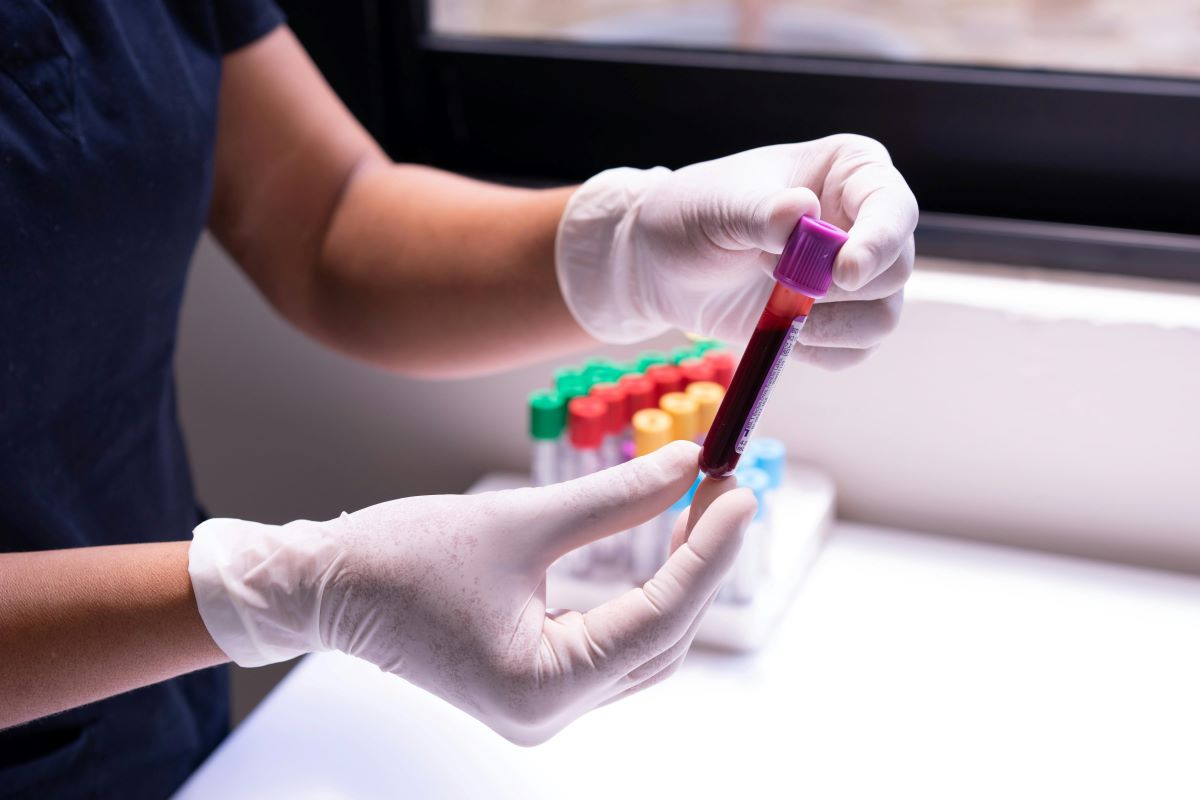
PSA (prostate-specific antigen) is a substance produced by the prostate. This measurement is done through a PSA test, which involves drawing a blood sample.
2. Non-Palpable Tumor
The TNM classification (tumor, nodes, metastasis) is an international system for describing the extent and severity of the tumor, in addition to guiding treatment.
If prostate cancer is in category T1c, it means it is not palpable and may be handled with active surveillance methodology.
3. Gleason Grade
Indicates the degree of cell abnormality. The higher the number, the further from normality. Prostate cancer with a Gleason grade of 3 or below fits into active surveillance.
4. Gleason Score
It is the sum of the two most predominant grades in the tumor. For example, if the most common grade is 2 and the second most common is 3, the Gleason score will be 5 → 2 + 3 = 5. Prostate cancer cases with a Gleason score of 6 or lower can be treated with active surveillance.
5. Biopsy Results
Biopsy results are also criteria for active surveillance for prostate cancer. Check how:
- Two prostate biopsies;
- Each must have at least 6 samples;
- None can contain more than 50% diseased cells;
- Tumor size under 3 mm;
- Fewer than 3 positive samples.
6. PSA Density
It helps determine whether elevated PSA levels are due to benign prostatic hyperplasia or are cancer-related. To calculate this, the PSA level (in ng/ml) is divided by the prostate volume (in grams or cm³). If the PSA density is 0.10 ng/ml per gram or lower, it is an indication of low-risk prostate cancer.
7. PSA Increase Above 0.75 ng/year or Doubling Time Below 3 Years
If PSA levels increase more than 0.75 ng/ml per year, it may indicate prostate cancer.
Meanwhile, PSA doubling time is how long it takes for PSA levels to double. If this happens in under 3 years, the tumor is likely aggressive.
8. Changes in the Digital Rectal Exam
Changes detected during this exam can include hardening, nodules, or a rough texture.
9. Perineural Infiltration
This happens when tumor cells invade nerves or spaces around the organ. A prostate biopsy reveals this behavior, indicating greater severity.

Can Active Surveillance Increase the Risk of Cancer Progression?
Active surveillance is accompanied by rigorous monitoring, which helps reduce the risk of progression without immediate treatment. However, it’s essential for the patient to closely follow medical guidance.
When Is Active Surveillance for Prostate Cancer an Option?
Active surveillance for prostate cancer is an option when prostate cancer is low risk. That means the tumor should be small, located precisely, and have low potential for progression.
In this treatment modality, regular exams are conducted to check whether the tumor remains in the same stage. If there are signs of progression, treatment is adjusted and removal of the prostate (prostatectomy) may be necessary.
The benefit of active surveillance is avoiding unnecessary invasive treatments in low-risk cancer cases and their side effects, thus preserving the patient’s quality of life. Nonetheless, it’s crucial for men to follow the medical monitoring meticulously.
How Is the Patient Monitored Under Active Surveillance?
The patient in active surveillance is monitored as follows:
- PSA test every three months;
- Digital rectal exam every six months;
- Annual MRI;
- Prostate biopsy annually or every two months;
- Additional imaging tests as needed.
Why Is Early Diagnosis of Prostate Cancer Important?
Early diagnosis of prostate cancer is important because:
- It reduces the risk of tumor spread;
- Allows for less invasive treatment options;
- Higher chance of early intervention.
Consult a Urologist to Understand the Best Treatment for Your Case
Prostate cancer is a serious disease, but the urologist is the physician who can diagnose and prescribe the most appropriate treatment for each situation.
Conditions like prostate cancer can impact sexual life. Contact Dr. Paulo for guidance.