
Inflatable penile implants come in different designs, but they all use saline solution to create an erection. Learn how they work!
The 3-piece inflatable penile prosthesis may be considered a therapeutic option in selected cases of severe erectile dysfunction or anatomical changes, after an individualized medical evaluation.
This type of implant allows the patient to activate it when desired. Learn more!
What is a 3-piece inflatable penile prosthesis?
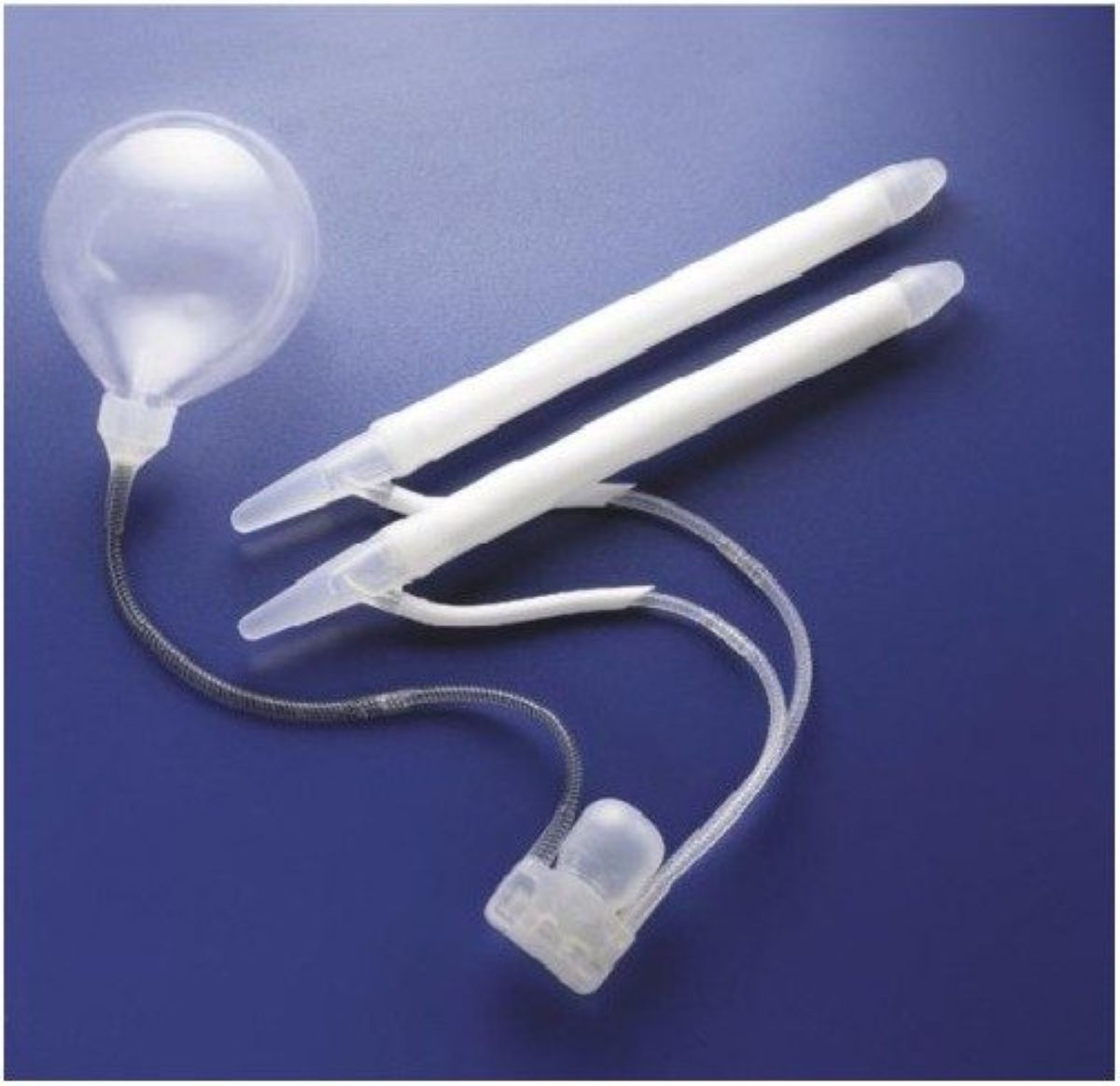
A 3-piece inflatable penile prosthesis has a pair of cylinders, a saline reservoir, and an inflation pump. Each component is typically positioned as follows:
- Cylinders: inside the corpora cavernosa;
- Reservoir: below the abdomen;
- Inflation pump: placed in the scrotum.
The 3-piece inflatable penile prosthesis mechanism works by squeezing the pump so saline is transferred into the cylinders, inflating them.
To deflate the prosthesis and return to the resting state, the pump is activated again.
There is also the 2-piece inflatable penile prosthesis, which also inflates and deflates, but includes only the pair of cylinders and the reservoir.
Other differences among types of inflatable penile prosthesis involve the activation method and the penis’ appearance. In the 2-piece model, the erection requires compressing the reservoir, and after intercourse the penis should be positioned downward.
From an aesthetic standpoint, this option may create a discreet volume that is often less noticeable with tighter underwear.
With the 3-piece inflatable penile prosthesis, greater flaccidity at rest may be possible, which can contribute to an appearance closer to the usual flaccid state.
How does the saline reservoir work in a 3-piece inflatable penile prosthesis?
The inflatable penile prosthesis reservoir in the 3-piece system is positioned in the scrotum. When the pump is squeezed, saline moves from the reservoir into the cylinders, inflating them and producing an erection.
After intercourse, the patient presses the pump so the saline returns to the reservoir and the penis becomes flaccid.
Does the saline run out or need to be replaced over time?
Inflatable devices have more mechanical components and may be more susceptible to malfunction. For this reason, in some situations there may be a need to address the saline system and, in certain cases, to replace the device.
According to a 2022 article published in Urology, close to half of men with a 3-piece inflatable device may experience some form of device failure over time.
When might penile prosthesis replacement be needed?
A penile prosthesis replacement may be considered due to mechanical issues and also for the following reasons:
- difficulty adapting to the device;
- postoperative complications such as infection or changes in sensitivity;
- insufficient vertical rigidity;
- glans floppiness or injury;
- natural wear after many years.
Does a 3-piece inflatable penile prosthesis require periodic maintenance?
The maintenance of a 3-piece inflatable penile prosthesis may be needed if there are pump issues or a saline leak.
If any of the situations above occur, or if there is any other abnormality, a urologist should be consulted promptly.
The physician will evaluate the patient’s concerns and follow the case to determine whether maintenance or replacement is necessary.
Schedule a specialist evaluation with Dr. Paulo Egydio
Dr. Paulo Egydio is a specialist in penile prosthesis surgery and has performed more than 7,000 procedures over more than 26 years of practice.
Fill out the pre-assessment form to schedule an appointment and receive technical guidance about your case.