
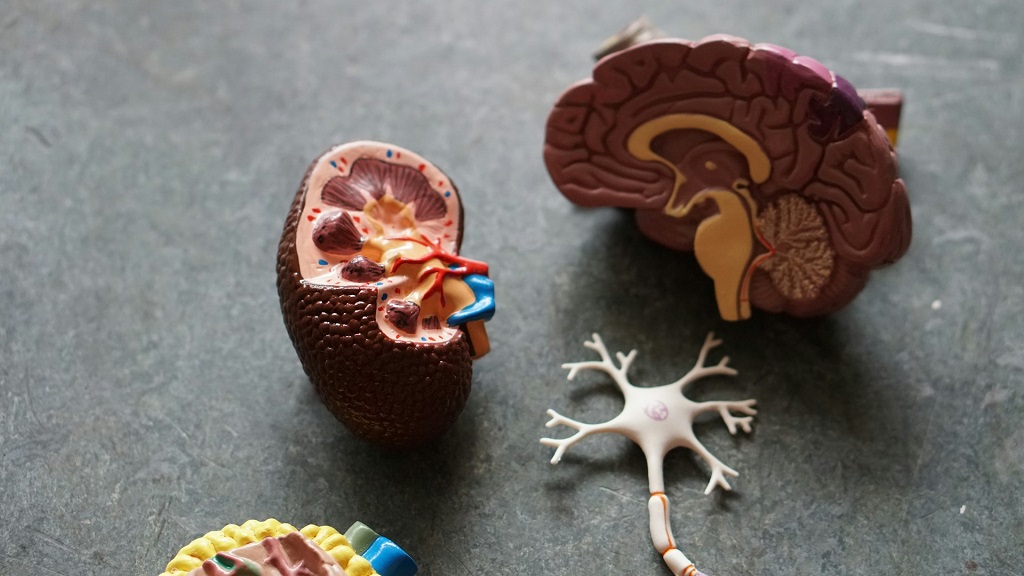
The 5 Stages of Chronic Kidney Disease: From Normal to Kidney Failure
Chronic Kidney Disease (CKD) is a health condition that causes progressive and irreversible deterioration of kidney function, impacting the patient’s life in numerous ways.
The kidneys are essential organs for filtering waste and excess fluids from the blood in the human body, playing a vital role in cleansing the body.
However, for patients with chronic kidney disease, this filtering capacity becomes compromised over time, leading to the accumulation of toxins and fluids.
This condition is often triggered by underlying diseases, with diabetes being the primary one. The progression can occur silently, often without visible symptoms in the early stages.
As the disease progresses, it can impact various aspects of health. For men, this includes issues related to sexual function.
Erectile dysfunction (ED), a problem affecting the ability to achieve or maintain an erection, is one of the complications associated with the progression of kidney disease.
In today’s text, we will explore the 5 stages of chronic kidney disease, explaining how and at which stage erectile function can be affected. Read on!
What Are the 5 Stages of Chronic Kidney Disease?
Chronic kidney disease is divided into five stages as it progresses. The initial stages are often asymptomatic; therefore, undergoing regular check-ups is essential, especially if you already have an underlying condition (such as diabetes or hypertension).
Understanding the 5 stages of disease progression can help identify and manage the condition more effectively. Consulting a urologist or nephrologist can be important to get individual guidance according to your case.

Discover the 5 stages of CKD:
- Stage 1 – Normal: Initial phase of the disease, where kidney function is nearly normal, and the patient does not yet show symptoms;
- Stage 2 – Mild: Kidney function begins to decline slightly. As a result, signs of kidney damage may be more evident;
- Stage 3 – Moderate: With moderately reduced kidney function, the symptoms of the disease become clear;
- Stage 4 – Severe: At this stage, kidney function is severely compromised;
- Stage 5 – Kidney Failure: In this final stage, kidney failure is complete. When the disease reaches stage 5, patients generally require dialysis or a kidney transplant.
At Which Stage Can Chronic Kidney Disease Cause Erectile Dysfunction?
As kidney function decreases, erectile dysfunction becomes more common. Therefore, it is possible to state that chronic kidney disease causes erectile dysfunction from stage 3 onwards. Here’s how ED occurs at each stage:
- Stage 3 – Moderate: In stage 3, ED begins to manifest as decreased kidney function can interfere with blood circulation and hormonal regulation;
- Stage 4 – Severe: With severely compromised kidney function, CKD patients progress to significant erectile dysfunction problems due to the disease’s impact on vascular and hormonal health;
- Stage 5 – Kidney Failure: At this stage, when the kidneys no longer function, erectile dysfunction is very common, resulting from a combination of factors, including the progression of kidney disease and side effects of treatments.
Factors Influencing Erectile Dysfunction in Patients with Chronic Kidney Disease
CKD can affect erectile function in various ways due to the potential complications associated with the disease’s progression.
Among the main factors contributing to erectile dysfunction in patients with chronic kidney disease are:
- Hormonal Changes: often, imbalances in hormone levels, which are also associated with CKD, can impact sexual function;
- Vascular Problems: deterioration of blood vessels compromises the blood flow to the penis, necessary for erection;
- Side Effects of Medications: some medications used in the treatment of CKD can also affect erectile function. For this and other reasons, medical monitoring during treatment is essential;
- Psychological Factors: finally, psychological factors such as stress and anxiety related to the disease can contribute to erectile dysfunction.

How to Treat Erectile Dysfunction Alongside Chronic Kidney Disease?
The treatment of erectile dysfunction for patients with chronic kidney disease involves a multidisciplinary approach. We have outlined some strategies for proceeding. However, always remember that it’s important to consult your doctor before making any changes:
- Treatment to control CKD can even help improve erectile function;
- Reviewing and adjusting medications (under medical guidance) is very important, especially when there is suspicion;
- Specific medications for erectile dysfunction, such as phosphodiesterase type 5 inhibitors (PDE5), can be considered (always with caution and medical guidance);
- If there are imbalances, hormone therapy may be indicated to regulate testosterone;
- Psychological therapy or sex therapy can help address emotional and psychological factors that contribute to erectile dysfunction.
- In some more severe cases, vacuum devices or penile implants may be an option to help achieve and maintain an erection.
- Adopting a healthy lifestyle, including a balanced diet, regular exercise, and avoiding smoking and excessive alcohol consumption, can be beneficial for restoring sexual function.
The combination of approaches, of course, should be discussed with your urologist or nephrologist to tailor the treatment to the patient’s individual needs.
How to Prevent Kidney Disease and Maintain Health

While it is not possible to prevent kidney diseases in many cases, it is possible to control the situation, preventing other complications from arising.
Preventing kidney disease and maintaining good health involves a combination of healthy practices and regular care. Here are some strategies:
- Blood pressure control;
- Diabetes management;
- Healthy diet;
- Proper hydration;
- Regular exercise;
- Regular check-ups;
- Maintain a healthy weight;
- Responsible use of medications (as directed by a doctor);
- Infection treatment;
- Stress management.
For more personalized guidance and support on kidney health care, we invite you to join the Dr. Paulo Egydio WhatsApp channel. Subscribe to receive tips!
Learn more:
- Male Self-Care: Why Is It Important for Health?
- Learn All About Enlarged Prostate: Causes, Diagnosis, and Recommended Treatments
- Does Stress Decrease Libido? Learn How to Identify and Treat It
- What Is Ejaculation? Answers to Your Main Questions
- Consequences of Male Sexual Abstinence and the Problems It Can Cause
- 10 Tips for Penis Care to Maintain Health and Prevent Infections and Diseases
- See What Causes Erectile Dysfunction and Available Treatments
- Prostate Surgery: What to Expect, Risks, and Recovery
- Gut Health and Sexual Function: The Connection