

Early diagnosis makes it possible for treatment to begin in the early stages of the disease, when less invasive methods may be considered, increasing the chances of success. Knowing that some men take little care of their health, we decided to explain the importance of seeking medical help as soon as symptoms appear.
The possibility of more effective treatment and a healthy life after treatment explains the importance of early diagnosis. It may seem obvious, but many men only seek medical advice when symptoms affect their quality of life.
Not making regular medical check-ups a habit reduces life expectancy, as serious diseases are often discovered in advanced stages, when the risk of death is higher.
We have prepared this material to talk about the importance of early diagnosis, something that increases the chances of overcoming prostate cancer, for example, which is the most common among men. Stay with us!
What is early diagnosis?
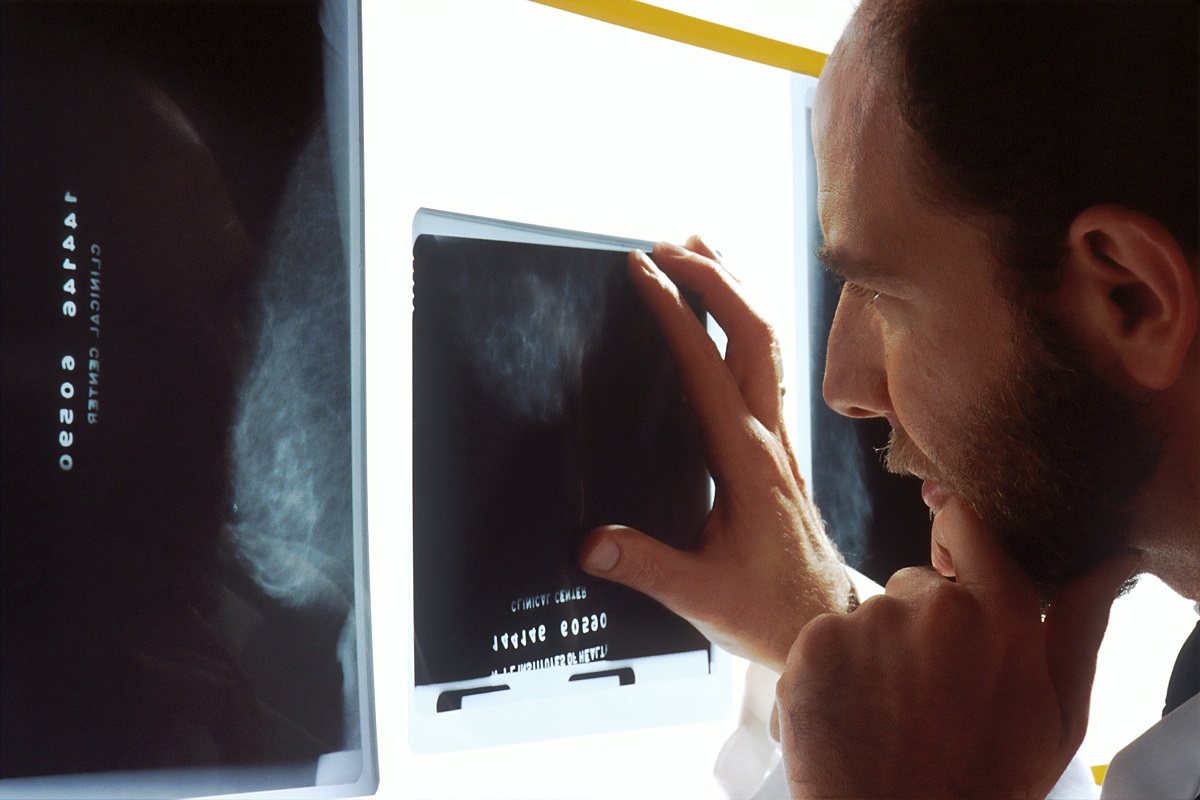
Early diagnosis is a way to identify diseases in their early stages. The PSA test and the rectal exam, for example, should be part of routine exams and self-care for men over 40.
Main diseases that require early diagnosis
When it comes to men’s health, some diseases are predominant and require full attention. The main conditions affecting men are:
1. Hypertension
High blood pressure is an increase in blood pressure that impairs circulation and is a risk factor for stroke. Headache with neck discomfort, blurred vision, dizziness, and nausea are warning signs to see a doctor.
2. Diabetes
More than 13 million people have diabetes in Brazil. According to the Ministry of Health, 90% of diabetics have type 2, which is linked to being overweight and sedentary. Constant hunger and thirst, frequent urination, and wounds that take time to heal are warning signs.
3. Cancer
According to the National Cancer Institute (INCA), cancer cases are expected to reach 704,000 by 2025.
Lilian Arruda Bastos, deputy coordinator of the Clinical Research Center at the Brazilian Cancer Control Institute (IBCC), explains that cancer treatment depends on the stage at which the disease is detected. Therefore, the earlier the problem is identified, the higher the chances of success in treatment.

Prostate cancer
When it comes to men’s health, prostate cancer is the most common type among men and is characterized by the uncontrolled growth of prostate cells, with symptoms such as:
- discomfort when urinating or ejaculating;
- blood in the urine or semen;
- reduced semen volume;
- problems achieving or maintaining an erection;
- weakness or numbness in the legs;
- pain in the lower back, hips, or pelvis.
The PSA test, which measures prostate-specific antigen levels, is not decisive for prostate cancer diagnosis, serving as an initial screening that should be complemented by:
- digital rectal exam;
- biopsy;
- magnetic resonance imaging (MRI);
- transrectal ultrasound;
- CT scan;
- bone scintigraphy.
Penile cancer
Penile cancer is rare, and poor hygiene is one of the risk factors. Symptoms include:
- swelling at the tip of the penis;
- discharge and foul smell from the urethra;
- lumps and changes in the thickness and color of the penis;
- a reddish sore that doesn’t heal
Diagnosis is made through biopsy, CT scan, and MRI.
Colorectal cancer
Colorectal cancer is characterized by lesions on the inner surface of the intestine, manifesting with abdominal pain, weight loss, weakness, and constipation.
Diagnosis is made through colonoscopy and stool blood tests. When detected early, the prognosis is favorable in most cases.
4. Cardiovascular diseases
Cardiovascular diseases account for 30% of male deaths, and the most common ones include:
- high blood pressure;
- heart attack;
- cardiac arrhythmia;
- heart failure;
- congenital heart disease;
- angina;
- myocarditis;
- abdominal aortic aneurysm.
Men who smoke, abuse alcohol, are sedentary, and have poor eating habits are more likely to develop heart problems. If detected early and the treatment plan is followed as prescribed, the patient may experience a significant improvement in quality of life.

5. Diabetes
In men, diabetes can cause erectile dysfunction because it affects the penile arteries, preventing enough blood from reaching the penis to achieve an erection. Early diagnosis is important to reduce the risk of complications, such as related heart problems.
6. Erectile dysfunction
Erectile dysfunction can have physical or psychological causes, and there are three levels:
- Mild: the man occasionally fails to have an erection;
- Moderate: moderate inability;
- Severe: when the penis does not become erect at any time.
If this difficulty is recurring, it is necessary to consult a urologist, as low testosterone levels may be the cause.
7. Kidney diseases
In men, kidney diseases can cause impotence because the adrenal glands play a role in testosterone production.
Diagnosing kidney problems early can help prevent the condition from worsening and improve the patient’s well-being.
8. Mental disorders
Early diagnosis of disorders like anxiety and depression can improve the patient’s quality of life, contributing to better condition management by improving personal and professional relationships and reducing suicidal behaviors.
Preventive exams for men
Men should undergo a check-up regularly, even without symptoms. The frequency varies depending on clinical history, but the general guideline is as follows:
- men aged 18 to 39 without health problems: every 1 to 3 years;
- men aged 40 to 50: every two years;
- 60+: annually or more frequently, depending on the case.
Preventive exams for men also vary by age group, as follows:
- 30 years: blood tests for cholesterol, diabetes, and kidney and liver function;
- 40 years: electrocardiogram, thyroid evaluation (if there is a family history), PSA test, and rectal exam;
- 50+: colonoscopy, detailed heart function tests, and bone health evaluation.
Early diagnosis allows for immediate treatment and significantly increases patient survival. That’s why men should regularly consult a urologist.
Incorporating health care into your routine, such as a check-up, is an act of self-care that everyone needs to adopt.
Having access to quality health information is also essential. You can join the Dr. Paulo’s WhatsApp channel and receive the best health and wellness tips for free. Join now and take another step towards a full and happy life.