

Testosterone replacement, or simply TRT, is the treatment for male hypogonadism, a reduction in testosterone levels.
When properly indicated and monitored by a specialist, hormone replacement therapy may help manage symptoms such as mood changes, sleep disturbances, or reduced libido, depending on each clinical context.
What is testosterone replacement therapy (TRT)?
Testosterone replacement therapy (TRT) is a treatment to restore testosterone levels, which decline by about 1% per year after age 30. In some men this reduction is more pronounced in their 40s due to age-related androgen deficiency. Popularly called andropause, age-related androgen deficiency refers to reduced testosterone levels. The main symptoms include:
- Irritability;
- Depression;
- Low energy;
- Erectile difficulty;
- Reduced muscle mass;
- Weight gain.
Who is TRT indicated for?
TRT is considered when serum testosterone levels—the total amount of the hormone—are below 300 nanograms per deciliter (ng/dL). 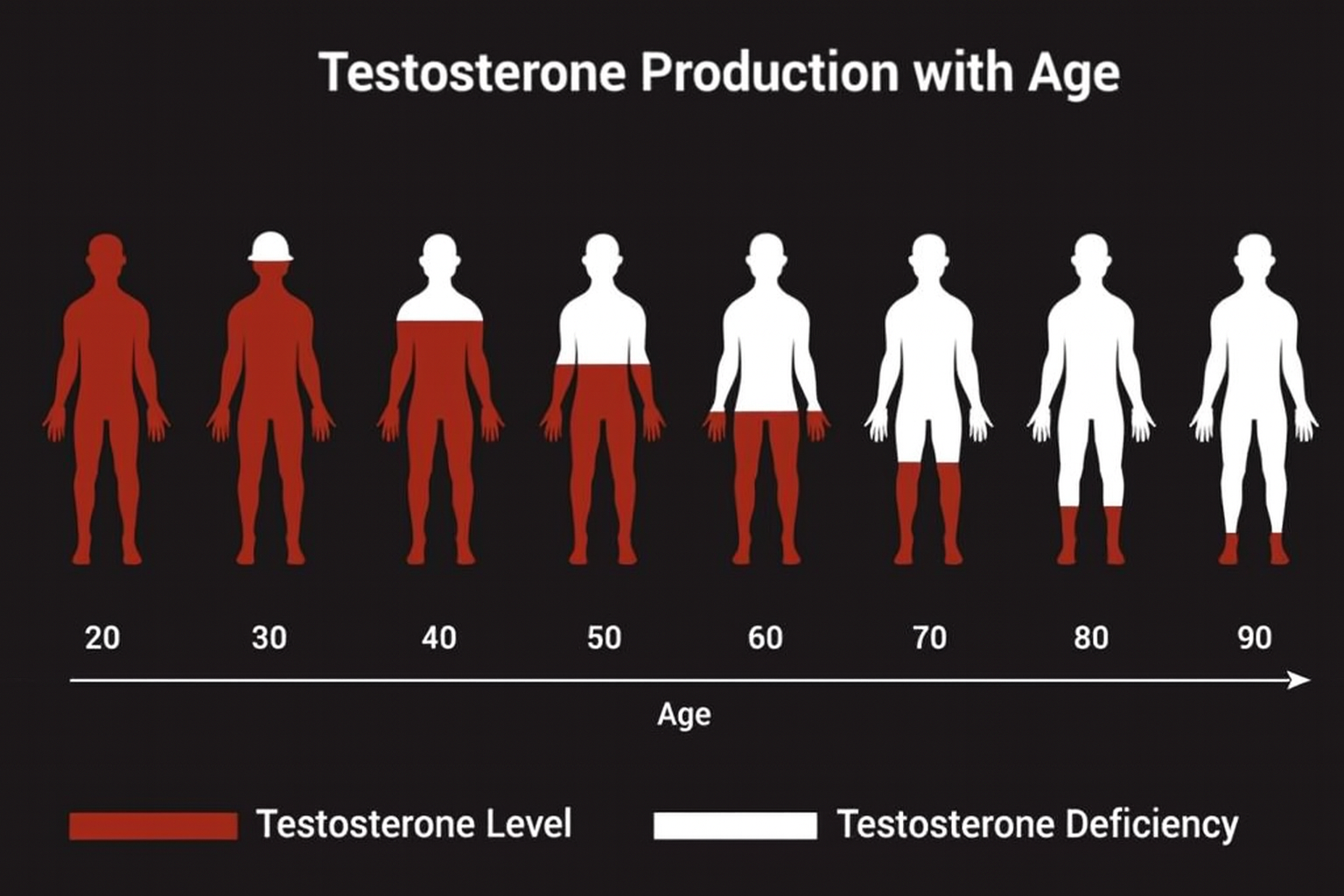 Only a urologist can assess this through the reported symptoms and the results of ordered exams. Based on this, the physician defines the most appropriate type and dose of testosterone for each patient. Regarding the most used testosterone types, testosterone acetate and testosterone undecanoate (e.g., Durateston) are commonly prescribed.
- Testosterone acetate: short duration and requires more frequent dosing.
- Testosterone undecanoate: longer-acting and therefore administered at wider intervals.
Contraindications
Having prostate cancer is one of the main contraindications to hormone replacement therapy. However, the article Hormone replacement therapy in males: evidence and controversies, published in the Revista de Medicina da USP, presents a nuanced view. The authors note that men with prostate cancer should be individually assessed to determine if testosterone replacement is appropriate.
Side effects
Potential side effects of testosterone replacement in older adults relate to cardiovascular disease. The article Benefits and risks of testosterone replacement therapy in men reports, among other data:
- In a clinical trial with 106 men over 65 with mobility limitations, 23 discontinued treatment due to increased cardiac risk.
- Testosterone replacement should be considered with caution in men over 65 with cardiovascular history, as studies indicate a possible increase in risk.
Therefore, any man with a heart condition should inform his physician to define the most appropriate approach.
How is hormone replacement therapy (TRT) done?
Hormone replacement therapy for men can be administered via:
- Testosterone gel: apply to shoulders, arms, and back once a day at the same time.
- Patch: placed on the abdomen, shoulder, arm, or thigh.
- Injection: every 15 or 21 days, or every three months.
- Implant: inserted in the gluteal region through a ~3 mm incision every six months.
- Oral: may affect the liver and is therefore less commonly indicated.

Hand holding a vial with blue liquid and a syringe.
Dosage varies according to the prescribed method:
- Gel: 5 to 10 grams of testosterone gel;
- Patch: each patch may contain 4, 5, or 10 mg of testosterone;
- Injection: intramuscular ampoule every 2 to 3 weeks;
- Implant: 8 to 12 pellets;
- Oral: 3 to 4 times a day; oral testosterone may cause hepatitis and other liver conditions.
How much does hormone replacement therapy cost? Average ranges:
- Durateston: R$10 to R$12 per ampoule;
- Gel: from R$200;
- Implants: from R$3,800 to R$8,000.
Symptoms of low testosterone in men
The most common symptoms of low testosterone include:
- Fatigue;
- Depression and anxiety;
- Mood changes;
- Sleep problems;
- Difficulty concentrating;
- Reduced lean mass or bone density;
- Decreased libido;
- Difficulty reaching orgasm;
- Erectile dysfunction;
- Reduced morning erections;
- Low sperm count.
And when erectile function does not improve with TRT?
If erectile dysfunction does not improve with testosterone therapy, the urologist may prescribe specific medications such as tadalafil or sildenafil. If response remains unsatisfactory, a penile prosthesis may be considered. There are two types:
- Malleable prosthesis (semi-rigid): two flexible rods; the penis is positioned manually.
- Inflatable prosthesis: three components—reservoir, pump, and cylinders. To achieve rigidity, the patient activates the pump.
A penile prosthesis is a therapeutic option when other treatments do not yield satisfactory responses, potentially restoring the rigidity needed for sexual intercourse, following individual assessment.
See a urologist if you notice early signs of low testosterone
Lower testosterone levels are a normal aspect of aging and may impact health. If you experience fatigue, mood changes, or erection difficulties, complete the pre-analysis with Dr. Paulo Egydio and discuss your questions with a specialist. You will receive educational guidance by email within 24 hours.
Learn more:
-
- What are the most common prostate diseases and their symptoms?
- Types of penis: differences, myths, and curiosities
- Male Masturbation: Benefits and Myths
- Male hormones that influence your health
- 10 Tips to Improve Sexual Performance
- What Is Ejaculation? Your Top Questions Answered
- Learn about 4 Main Penile Surgeries: Are They Effective?
- Penis Anatomy: Structure, Erection, and Ejaculation
- Top 10 penile conditions: how to identify and treat
- Penile Pain: 12 Causes, Symptoms, and Treatments