
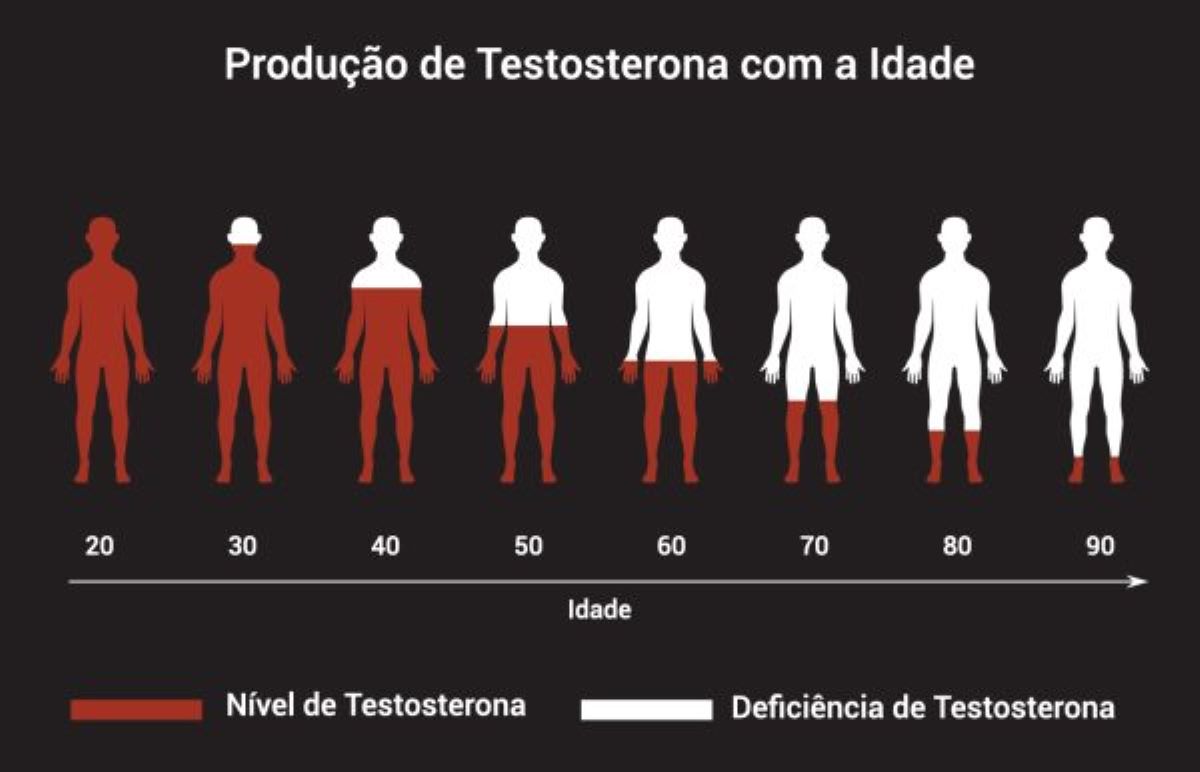
Hormonal disorders can lower testosterone levels, which may affect physical health and contribute to mood changes.
Hormonal imbalance happens when the production, release, or action of a hormone moves outside the normal range.
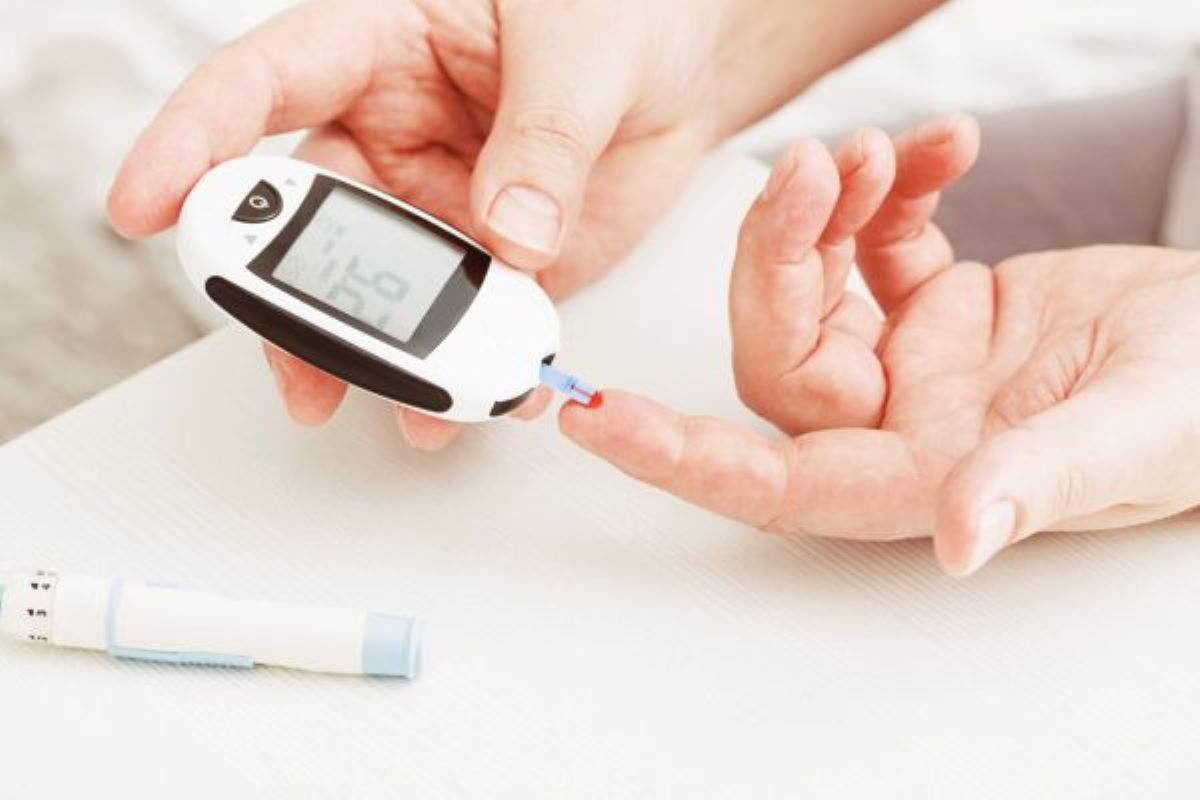 Diabetes may lower testosterone levels because insulin resistance can affect the production of luteinizing hormone, which stimulates the testes to produce testosterone.
An article published by the Brazilian Diabetes Society Guideline notes that the relationship between diabetes and low testosterone has been studied since the 1980s.
The authors explain evidence of hypogonadism (the testes’ reduced ability to produce testosterone) in 25% to 40% of men with diabetes, reaching up to 50% in men with obesity.
That is why maintaining glycemic control is important: in addition to being associated with lower testosterone, diabetes can affect blood flow, which plays a role in erections.
Diabetes may lower testosterone levels because insulin resistance can affect the production of luteinizing hormone, which stimulates the testes to produce testosterone.
An article published by the Brazilian Diabetes Society Guideline notes that the relationship between diabetes and low testosterone has been studied since the 1980s.
The authors explain evidence of hypogonadism (the testes’ reduced ability to produce testosterone) in 25% to 40% of men with diabetes, reaching up to 50% in men with obesity.
That is why maintaining glycemic control is important: in addition to being associated with lower testosterone, diabetes can affect blood flow, which plays a role in erections.


What are hormonal disorders?
Hormonal disorders involve changes in the production, release, or action of hormones. This imbalance may occur due to aging, testicular conditions, diabetes, or pituitary gland issues.Causes of hormonal disorders in men
Common causes of hormonal disorders in men include:- Age: a decrease in testosterone levels is common after age 40.
- Gonadal problems: the gonads are glands that produce sex hormones and reproductive cells. The testes are the male gonads.
- Chemotherapy: according to the Infertility Guide from the Federal University of Rio Grande do Sul, decreased testosterone production can happen because treatment may affect Leydig cells in the testes.
Testicular conditions
Testicular conditions may contribute to hormonal imbalance because they can affect testosterone production. Below are some of the main testicular conditions associated with hormonal changes:- Orchitis: inflammation that can affect the testes 1 to 2 weeks after mumps and may also occur after urinary infections and sexually transmitted infections. Without treatment, it may harm Leydig cells involved in testosterone production.
- Varicocele: a failure or malformation of valves in scrotal veins. This can impair blood flow in the spermatic cord, a structure involved in sperm quality. Varicocele may also affect Leydig cells and contribute to male breast tissue enlargement.
- Testicular tumors: testicular cancer can contribute to hormonal disorders in men because it may also damage Leydig cells.
Pituitary gland problems
The pituitary gland regulates the activity of other glands and hormone release. Therefore, pituitary changes can lead to hormonal imbalance. Below are the main pituitary conditions and their impact on hormones and overall health: The pituitary gland regulates the activity of other glands and hormone release. Therefore, pituitary changes can lead to hormonal imbalance. Below are the main pituitary conditions and their impact on hormones and overall health:- Hyperprolactinemia: elevated levels of prolactin, a hormone that stimulates milk production during pregnancy. In men, excess prolactin may reduce body hair and muscle mass, increase breast tissue, lower libido, and make erections more difficult.
- Cushing’s disease: pituitary tumors and corticosteroid use can increase cortisol levels, which may lower testosterone. Muscle and bone weakness and fat accumulation on the upper back can be warning signs.
- Hypopituitarism: difficulty producing pituitary hormones at adequate levels. According to an article published in the Brazilian Journal of Health Review, genetic mutations, head trauma, cancer treatments, and autoimmune diseases may be causes of hypopituitarism.
Diabetes
Diabetes is characterized by high blood glucose due to insufficient insulin production by the pancreas or reduced insulin effectiveness in regulating glucose.
Diabetes may lower testosterone levels because insulin resistance can affect the production of luteinizing hormone, which stimulates the testes to produce testosterone.
An article published by the Brazilian Diabetes Society Guideline notes that the relationship between diabetes and low testosterone has been studied since the 1980s.
The authors explain evidence of hypogonadism (the testes’ reduced ability to produce testosterone) in 25% to 40% of men with diabetes, reaching up to 50% in men with obesity.
That is why maintaining glycemic control is important: in addition to being associated with lower testosterone, diabetes can affect blood flow, which plays a role in erections.
Hyperthyroidism and hypothyroidism
The thyroid gland is located at the front of the neck, below the larynx. It regulates metabolism by releasing the hormones T3 and T4. These hormones are produced by the thyroid and influence weight, energy expenditure, body temperature, and heart rate. When T3 and T4 are produced in excess, it is called hyperthyroidism; when they are reduced, it is called hypothyroidism. Understand how hyperthyroidism and hypothyroidism can affect hormones and overall health. 1. Hyperthyroidism Hyperthyroidism can cause weight loss, irritability, muscle weakness, and an increased heart rate. In addition, it may reduce the testosterone available for use by the body. With less of the male hormone available, male breast tissue enlargement may occur. 2. Hypothyroidism Hypothyroidism may increase weight and cholesterol. Other issues highlighted by the article Effects of hypothyroidism on the male reproductive system include low libido, erectile dysfunction, and changes in ejaculation.Obesity
Obesity itself can be considered a hormonal issue because, in a healthy body, fat cells produce leptin, a hormone that signals the brain that eating is no longer necessary. When there is leptin resistance, this signal may not be recognized, which can increase appetite and contribute to obesity. Obesity is also associated with lower testosterone levels. A study presented at the XXIV Scientific Initiation Seminar of the Federal University of Feira de Santana (UEFS) analyzed 2,976 men aged 50 to 65: 34% (960) had obesity and 20.6% (577) had testosterone deficiency.
Sedentary lifestyle
A sedentary lifestyle is associated with lower testosterone in men with metabolic syndrome, a cluster of conditions that increases cardiovascular risk. The association between sedentary behavior and low testosterone may be related to the fact that regular physical activity can stimulate the release of gonadotropin, a hormone that activates testosterone production by the testes.Common symptoms in men
Symptoms of hormonal changes—such as hypogonadism (when the testes produce little or no testosterone) and androgen deficiency in aging males—can be quite similar. The most common include:- Low libido;
- Difficulty getting or maintaining an erection;
- Mood changes;
- Loss of muscle mass;
- Reduced bone density.
Main treatment options
Treatment for hormonal imbalance should be individualized and may include hormone replacement therapy when indicated by a urologist after clinical and laboratory evaluation. This therapy may be given as injections, patches, or testosterone gels.- Injectable testosterone: testosterone replacement injections may be administered every 15 or 21 days, or every three months, according to medical guidance.
- Testosterone gel: testosterone gel is typically applied to the arm, shoulder, or abdomen once a day, preferably at the same time.
Risks and contraindications of hormone replacement
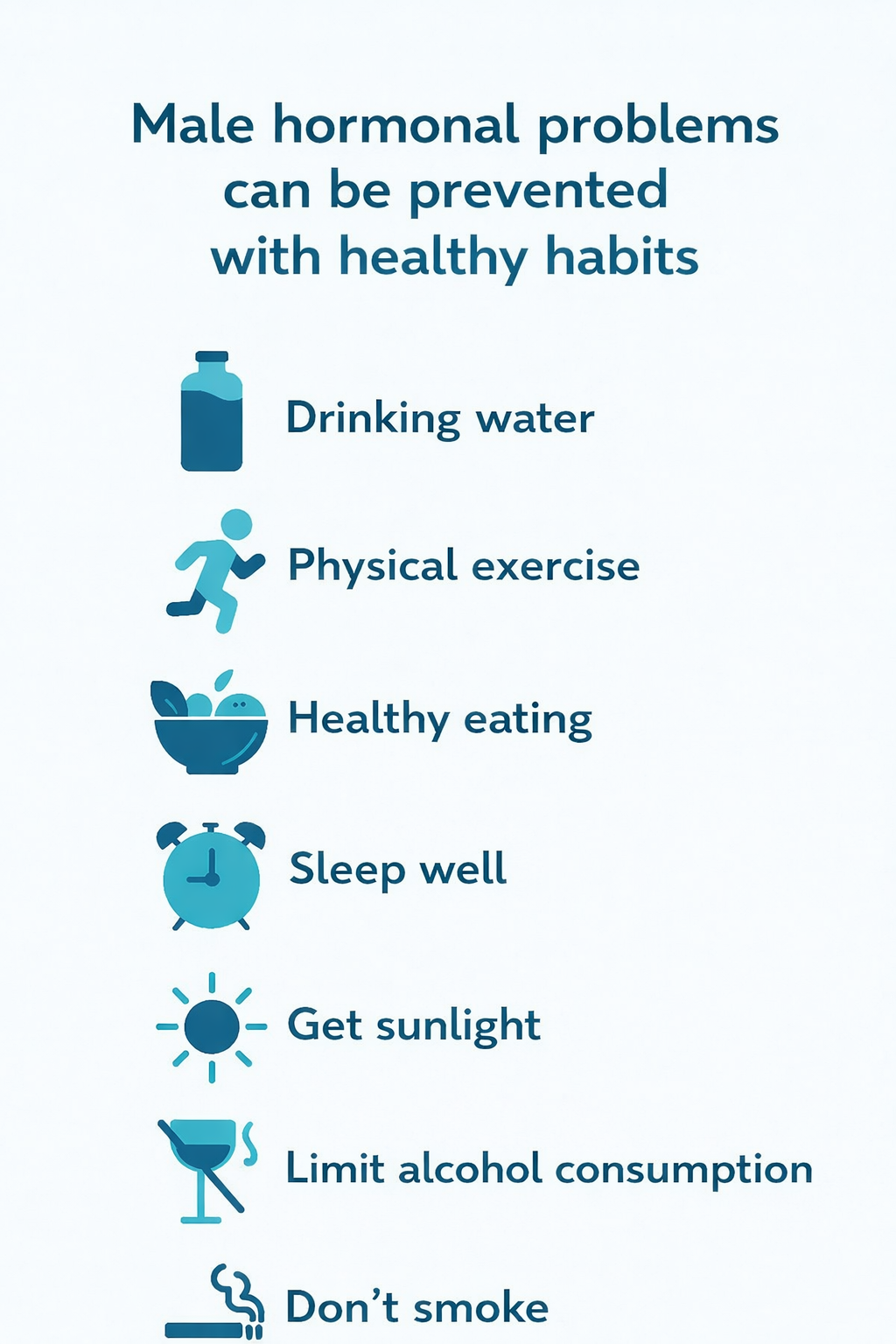
The article Benefits and risks of andropause treatment highlights that hormone replacement therapy may involve potential risks, including increased cardiovascular risk, which reinforces the importance of careful medical evaluation. According to the Brazilian Society of Endocrinology and Metabolism, contraindications include suspected or confirmed prostate cancer.What to do to help prevent hormonal disorders
Stay informed with Dr. Paulo Egydio
Hormonal disorders can affect men’s physical and emotional health. Proper medical follow-up may help manage symptoms and support overall well-being, depending on each case. To stay informed about how hormones work and how they relate to health, subscribe to the Dr. Paulo Egydio channel. Explore new educational content on men’s health topics. Learn more:-
- What are the most common prostate diseases and their symptoms?
- Penis types: what they are, differences, myths, and curiosities
- Male masturbation: benefits and myths explained
- 10 tips to improve sexual performance
- What is ejaculation? Answers to your main questions
- What is andropause? Signs, symptoms, and treatments
- Learn about the 4 main penile surgeries: are they effective?
- Penis anatomy: structure, erection, and ejaculation
- 10 main penile diseases: what they are, how to identify, and treatments
- Penis pain: 12 causes, symptoms, and treatments
- Men’s sexual health: 7 habits that affect performance and how to improve