

Urethral Injury Can Occur Due to Infections, Fractures, Accidents, Catheter Use, or Surgical Sequelae. Symptoms Include a Sensation of Incomplete Bladder Emptying, Burning During Urination, and Bleeding. Learn More.
Urethral injury is any damage affecting this tube, whose function is to expel urine from the bladder. Causes vary among infections, physical trauma, and medical procedures, such as catheter use and surgeries. The symptoms of urethral injury include discomfort when urinating and even bleeding in more severe cases. Understand more below.
What Is Urethral Injury?
Urethral injury is damage to the urethra, the tube that carries urine from the bladder out of the body. Urethral trauma can occur due to:
- Urinary tract infections;
- Sexually transmitted infections;
- Penile fractures;
- Perineal injuries;
- Pelvic fractures;
- Trauma from falls, car accidents, and physical activities;
- Use of a catheter;
- Surgical sequelae.

Causes of Male Urethral Injuries and How to Recognize Them
Men are more prone to urethral trauma because the male urethra is approximately 20 centimeters long and runs through the prostate and penis.
The most common male urethral injury is urethral stricture, a type of scarring that may result from:
- Pelvic fractures;
- Falls and blows that affect the genital area;
- Prostate removal and radiation treatments;
- Injury from a catheter;
- Frequent urinary tract infections;
- Inflammation in the urethra;
- Sexually transmitted infections;
- Tumors near the urethra.
A penile fracture can also cause male urethral injury because the urethra is surrounded by the corpus spongiosum.
The corpus spongiosum is a vascularized tissue that encloses the urethra, preventing it from being overly compressed during erection and enabling semen expulsion after orgasm. If sexual movements are too intense, the corpus spongiosum may tear, and the urethra can be damaged.
The Impact of Urethral Injuries on Urinary Function
Because the urethra carries urine from the bladder out of the body, urethral injuries lead to urinary complications. Check out the following:
- Urinary obstruction that makes it difficult or impossible for urine to pass;
- Dysuria, which is pain or burning during urination;
- Urethral stricture, a narrowing of the urethra that weakens the urinary stream;
- Urinary tract infections, because the injury can allow microorganisms to enter and cause urethritis (infection in the urethra) or cystitis (infection in the bladder);
- Urinary incontinence if the urethral injury affects the muscles or nerves involved in urine control.
Common Symptoms of Urethral Injury
Symptoms of urethral injury involve discomfort during urination. See below:
- Pain or burning when urinating;
- Weak or interrupted urinary flow;
- Blood in the urine;
- Urethral bleeding;
- Discharge from the urethra;
- Swelling or tenderness around the penis;
- Pain in the pelvic region or lower abdomen.

Main Types of Urethral Injury and Their Differences
There are two types of urethral injury. Understand the differences:
1. **Anterior Urethral Injury**
The anterior urethra is more external and exposed. It begins in the penis and extends through the corpus spongiosum and cavernous bodies. Its function is to transport urine and semen during ejaculation.
This part of the urethra is more vulnerable to external factors such as penile fractures and improper use of a catheter.
Bleeding, painful urination, and urethral narrowing are possible complications of injuries to the anterior urethra.
2. **Posterior Urethral Injury**
The posterior urethra is internal, beginning at the junction with the anterior urethra and passing through the prostate.
Causes of posterior urethral injury include pelvic fractures and prostate problems, such as benign prostatic hyperplasia. Urethral rupture is the main complication.
Diagnosis: How Do Doctors Identify a Urethral Injury?
Diagnosis of urethral injury is made through a physical examination and a voiding and retrograde urethrocystography, a radiographic test in which contrast is applied to the urethra.
Urethrocystoscopy, an endoscopic exam allowing the doctor to view the inside of the urethra and bladder, along with nuclear magnetic resonance imaging and ultrasonography, also aid in diagnosing urethral trauma.

Treatment for Urethral Injury: What You Need to Know
Treatment for a damaged urethra depends on the severity of the injury. Learn more:
- Urethral catheterization: used for milder injuries that do not require immediate urethral surgery. During urethral catheterization, the doctor inserts a catheter through the urethra into the bladder to drain urine until the urethra recovers;
- Internal urethrotomy: a minimally invasive approach in which a device is inserted to dilate the urethra narrowed by stricture, relieving discomfort when urinating;
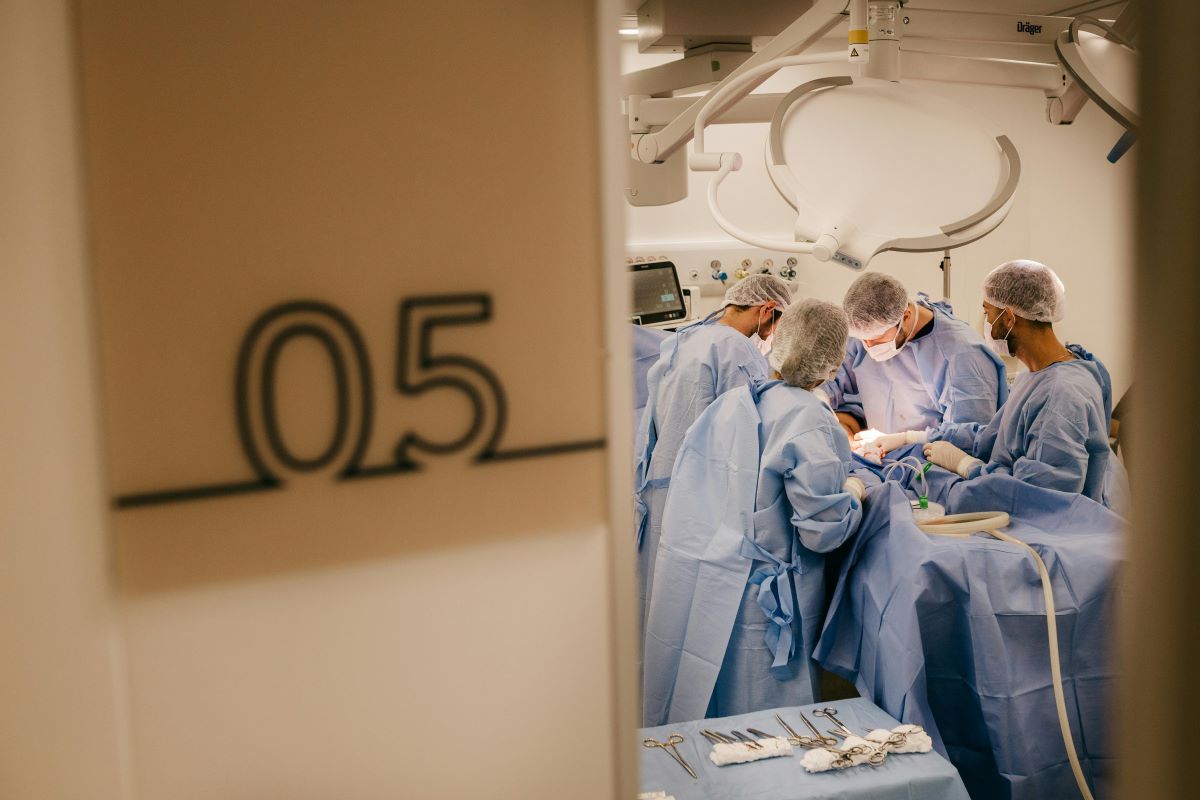
- Urethroplasty: also referred to as “surgery to repair the affected urethra,” urethroplasty is a surgical procedure combining techniques to restore the urethra compromised by stricture.
Surgery or Conservative Therapy: Which Is Best?
This depends on the severity and location of the injury. Check the characteristics of both approaches:
1. **Surgery**
Recommended for severe urethral trauma, such as lacerations (tears) or severe stricture. Surgical options include:
- Internal urethrotomy: insertion of a device to dilate the urethra;
- Urethroplasty: surgery that can use grafts to treat the stricture.
2. **Conservative (Non-surgical) Therapy**
Indicated for less severe injuries or when surgery cannot be performed immediately. Conservative therapy involves:
- Urethral catheterization: inserting a catheter to keep the urethra open and allow it to recover;
- Dilation therapy: used in stricture cases, this involves specific instruments to widen the urethra;
- Antibiotics: if the injury leads to an infection.
How to Prevent Urethral Injury and Protect Your Health
Preventing urethral injury means taking steps to reduce the risk of infections and being cautious during activities that pose trauma risks. Check out the following:
- Stay hydrated, avoid holding your urine, and keep your intimate area clean to prevent urinary tract infections;
- Follow medical guidance when using a catheter;
- Use protective equipment in sports like martial arts, rugby, soccer, cycling, and motorcycling;
- Use condoms and avoid overly aggressive sexual practices;
- Attend regular checkups with your urologist.
Recovery from Urethral Injuries: What to Expect
Recovery from urethral injury varies depending on severity and treatment. See below:
- Mild to moderate injuries: recovery within 1 to 2 weeks, with possible discomfort during urination and fever;
- Severe injuries: recovery may take months, involving hospitalization after surgery and catheter use.
Your doctor may prescribe painkillers to relieve discomfort, and follow-up care is crucial in all cases.
Recovery from urethral injuries also requires adequate hydration, a healthy diet, avoiding heavy physical exertion, and refraining from sexual activity.
When Should You Seek Medical Help?
You should seek medical attention if you experience:
- A weak or interrupted urinary stream;
- Pain or bleeding during urination;
- A feeling of not fully emptying the bladder;
- Fever, chills, and lower abdominal pain;
- Swelling or pain in the pelvic area;
- Accidents during sex.
Urethral injury can be managed with different approaches, and the prognosis varies according to the injury’s severity and the patient’s clinical condition.
Early diagnosis may lead to more effective treatment and better clinical outcomes. Complete your pre-analysis with Dr. Paulo Egydio to receive initial guidance for your case.
Read also
- What is penile fracture?
- Surgery for Peyronie’s Disease: Risks and Recommendations
- Egydio’s Technique: Peyronie Disease Treatment
- Does the Egydio Technique Work for Every Penile Curvature?
- Implante de Prótese Peniana | Dr. Paulo Egydio
- Does Small Penis Exist? Check When Size Is a Concern
- 7 Simple Habits to Prevent Prostate Cancer
- Can People with a Penile Prosthesis Play Sports?
- How to Enlarge the Penis: Understanding the Options
- 6 Causes of Penis Fissures: Treatments and Care Tips