

Trenbolone is a synthetic anabolic steroid associated with side effects such as insomnia, aggression, and reduced libido.
The search for the ideal body and increased muscle mass leads many people to explore options such as anabolic steroids. Among them, trenbolone draws attention because of its rapid and potent effects.
However, the use of this substance, originally developed for muscle growth in cattle, is prohibited due to the serious health risks it may cause.
In this article, we will explain what trenbolone is, its short- and long-term dangers, and safer alternatives for muscle gain. After all, your health should always come first.
What is trenbolone?
Trenbolone is a synthetic anabolic steroid derived from nandrolone, a hormone that is a modified form of testosterone.
This substance was developed in the 1960s for veterinary use, aimed at increasing muscle mass in cattle before slaughter.
However, some athletes began using this anabolic steroid to enhance strength, performance, and muscle gain.
Is trenbolone approved by ANVISA?
No. Brazil’s National Health Surveillance Agency (ANVISA) does not approve the use of trenbolone in humans, and there are no records for medical or therapeutic purposes in Brazil.
This means that any human use of this substance occurs unlawfully and without any safety regulation.
The sale and importation of trenbolone are illegal in Brazil, and its use may lead to potentially harmful side effects, in addition to legal risks for those who acquire and commercialize it.
How does trenbolone affect the body?
Trenbolone has a strong anabolic action, increasing protein production, which stimulates muscle growth and recovery.
However, this anabolic steroid also has androgenic action, a characteristic that interferes with sex hormones.
Understand how trenbolone affects the body.
- Increased protein synthesis: it stimulates muscle cells to produce more proteins, which enhances muscle building and post-workout recovery.
- Suppression of natural testosterone production: it lowers testosterone because it interferes with the system responsible for producing sex hormones, reducing the amount of the male hormone.
- Hormonal changes: increased prolactin levels. Excess prolactin in the male body may cause reduced libido, erectile dysfunction, and mood changes.
Main trenbolone side effects
According to this article on the impact of trenbolone on the body, 90% of users experience side effects.
The authors explain that this anabolic steroid affects the nervous system, hormones, and the reproductive and immune systems.
Below, see what the study says about the dangers of trenbolone.
- Effects on the nervous system: the risks of trenbolone for the nervous system include neurological changes described in some experimental studies, cognitive changes, and behavioral changes.
- Hormonal effects: trenbolone does not convert testosterone into estrogen, but it increases prolactin levels, which contributes to male breast tissue enlargement.
- Effects on the reproductive system: because it reduces natural testosterone production, trenbolone may cause male infertility. However, according to the study cited above, there are reports of partial recovery of reproductive function after discontinuing its use, depending on each case.
- Effects on the immune system: the use of anabolic steroids such as trenbolone may weaken the immune system because they affect defense cells such as T lymphocytes.
Suppression of natural testosterone
The reduction in natural testosterone production is one of the main trenbolone side effects in men because it can trigger several other changes.
This happens because trenbolone interferes with the hypothalamic-pituitary-gonadal axis, the system responsible for controlling the production of sex hormones.
When the body detects high levels of androgenic hormones such as testosterone, the brain limits testicular activity, causing the testes to produce less testosterone, a hormone that regulates sexual characteristics, libido, and fertility.
Erectile dysfunction and low libido
This article about erectile dysfunction and anabolic steroid use explains that trenbolone may be associated with impotence and low libido because the substance causes a hormonal imbalance chain reaction.
It reduces the release of luteinizing hormone (LH) and follicle-stimulating hormone (FSH), which signal the testes to produce testosterone — a hormone that regulates sexual function and contributes to male physical characteristics.
With lower LH and FSH, testosterone production decreases, while prolactin levels may rise. In the male body, high prolactin is associated with fatigue, reduced muscle mass, and sexual dysfunctions.
The testosterone reduction caused by trenbolone use also impairs the action of nitric oxide, a substance responsible for relaxing the corpora cavernosa and increasing blood flow in the area — factors essential for an erection.
In other words, the use of anabolic steroids may be associated with erectile dysfunction, especially when hormonal changes are present, reducing testosterone levels and other hormones related to erectile function.

Hormonal changes
Although this article on the influence of anabolic steroids on male fertility does not mention trenbolone specifically, it is important because it explains that trenbolone is derived from nandrolone and both may have similar side effects.
Trenbolone may cause male infertility because it reduces levels of follicle-stimulating hormone and luteinizing hormone, whose role is to signal the testes to produce sperm and testosterone.
When these hormones decrease, sperm count falls and testicular atrophy may occur.
Another hormonal change caused by trenbolone use is increased prolactin levels.
In women, this hormone is linked to milk production, but in excess in the male body, it affects libido and may cause male breast tissue enlargement.
Cardiovascular problems
Trenbolone can harm the heart, and this article describes the case of a bodybuilder who had a heart attack at age 23 and used this anabolic steroid.
The authors of this study state that anabolic steroids increase LDL (bad cholesterol) and reduce HDL (good cholesterol). This promotes fat buildup in the arteries and contributes to the development of cardiovascular problems associated with erectile dysfunction, such as high blood pressure and diabetes.
In addition, trenbolone damages the endothelium, the inner lining of blood vessels, facilitating the buildup of fatty plaques that narrow the arteries, a process called atherosclerosis, which increases the risk of heart disease and stroke.
Psychological changes
Behavioral changes are also among the main trenbolone side effects.
A study on the relationship between anabolic steroids and aggression confirms the psychological risks associated with trenbolone use, especially at higher doses.
Researchers analyzed the behavior of 282 anabolic steroid users, of whom 33% used trenbolone. In this group, increased verbal aggression was observed.
In addition, an article on the psychological damage of trenbolone highlights the psychosocial risk profile of this anabolic steroid, with reports of aggression, violent behavior, and extreme mood swings.

Liver and kidney problems
The use of anabolic steroids can damage the liver.
An article published in the The American Journal of Gastroenterology reports the case of a previously healthy 23-year-old man who developed yellowing of the skin and eyes — a typical sign of liver problems.
During the consultation, the patient reported receiving weekly injections of trenbolone at a dose of 1000 mg during the previous two months.
Laboratory tests identified changes in liver enzymes, characterizing hepatotoxicity associated with anabolic steroid use.
The authors explain that long-term use of trenbolone and other anabolic steroids increases the risk of chronic hepatic vascular lesions and tumors.
Symptoms of trenbolone abuse
People who use trenbolone may quickly notice some concerning symptoms, such as:
- Changes in sleep patterns, especially severe insomnia
- Low libido and signs of erectile dysfunction
- A marked increase in aggression and spontaneous irritability
- Extreme tiredness and fatigue, even outside training sessions
- Chest pain and changes in heart rhythm
- Visible hair loss (especially in those with a genetic predisposition)
Recognizing the risks associated with trenbolone use is essential so that people seek medical evaluation as soon as possible, reducing the chance of potentially irreversible damage to the body.
How to identify damage caused by trenbolone?
The evaluation of the effects of trenbolone use should be performed by a physician, preferably a urologist or endocrinologist.
For this, the specialist may request tests such as:
- Hormonal tests: total and free testosterone, LH, FSH, prolactin, estradiol.
- Lipid profile: total cholesterol, LDL, and HDL.
- Liver and kidney function: AST, ALT, creatinine, and urea.
- Electrocardiogram (ECG) or echocardiogram: to assess cardiovascular function.
- Complete blood count: to identify possible systemic changes.
Based on these tests, the doctor can assess possible damage and recommend measures to help restore the body’s balance.
Treatment for trenbolone side effects
| Post-cycle therapy (PCT) | In cases of hormonal changes after anabolic steroid use, regulation with the help of aromatase inhibitors and estrogen modulators may be used to support hormonal recovery, according to medical evaluation. |
|---|---|
| Hormonal regulation | When hormonal changes such as elevated prolactin are present, medication may be used to promote specific modulation and support hormonal balance. |
| Liver and kidney support | The liver may require support through nutritional adjustments and, in some cases, medication. Kidney function, if impaired, should also be monitored. |
| Psychiatric follow-up | Due to possible effects associated with hormone manipulation, psychiatric or psychological intervention may be necessary, including the therapeutic use of anxiolytics or antidepressants when indicated. |
| Cardiac and vascular monitoring | In cases of cardiovascular changes, further evaluation and follow-up may be necessary for conditions such as chronic hypertension and heart failure. |
Safer alternatives allowed in Brazil
The use of supplements for muscle gain should be guided by a healthcare professional. This care helps ensure the choice of safer products and the monitoring of possible adverse effects.
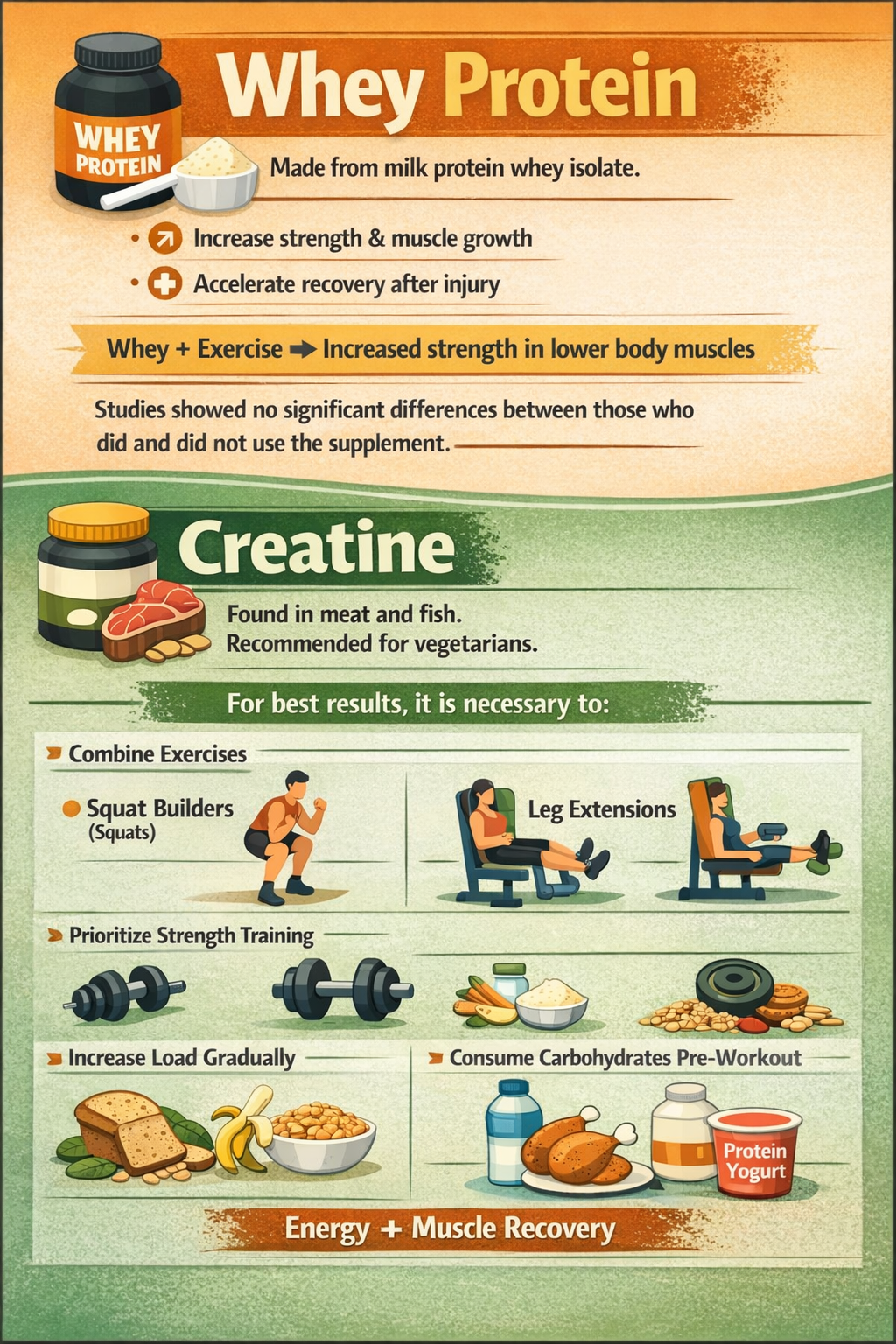
Two widely studied and generally considered safe supplementation options are whey protein and creatine. Even so, professional follow-up is recommended to ensure appropriate use.
Below, check out some of the main benefits of these supplements:
When should you seek medical help?
In addition to not being authorized, trenbolone has side effects that may affect psychological, physical, and sexual health.
The use of supplements for muscle gain may help when prescribed and monitored by a specialist.
If you are experiencing symptoms related to anabolic steroid use, fill out the pre-assessment form to schedule a consultation and receive proper guidance.
Learn more:
- What causes impotence in men? Understand how each condition is treated
- How to improve your erection? Check out 12 ways to make the penis firmer
- Learn which medications may cause erectile dysfunction
- What are male libido supplements? Find out which ones may be effective
- Sexologist or urologist: which specialist should you see first?
- Penis pump and penile injections: who should use them and when?