

Testosterone is the main male sex hormone, and it is so important for health and well-being that, in some cases, supplementation may be necessary. Check it out!
Testosterone is one of the most well-known hormones among men, as it is closely related to sexual activities and fertility. However, it is much more than that!
This hormone contributes in various ways to the functioning of the body. Any imbalance can have negative impacts on our lives, and it is very likely that, as time goes on, these effects become increasingly concerning.
Find out if your testosterone has already started to decline and if hormone replacement is the solution for you!
What is testosterone?
Testosterone is a steroid hormone (formed from cholesterol) present in both men and women, but found in larger quantities in men.
The hormone is primarily responsible for sexual development.
Which organ produces testosterone?
Testosterone is mainly produced in the testicles of men. In women, production occurs in the ovaries.
This hormone can also be found, although in insignificant quantities, in the adrenal glands.
What is testosterone used for?
Testosterone plays important roles in the human body, especially in relation to secondary sexual development, mood regulation, libido, and maintaining bone health.
The main functions of testosterone include:
- Deepening of the voice
- Growth of facial and body hair
- Development of muscle mass
- Stimulation of sperm production
- Regulation of libido and sexual function
- Maintenance of bone density
- Prevention of osteoporosis
- Regulation of mood and mental health
- Regulation of metabolism
- Distribution of body fat
- Prevention of cardiovascular diseases
- Regulation of red blood cell production
How to know if testosterone is high or low?
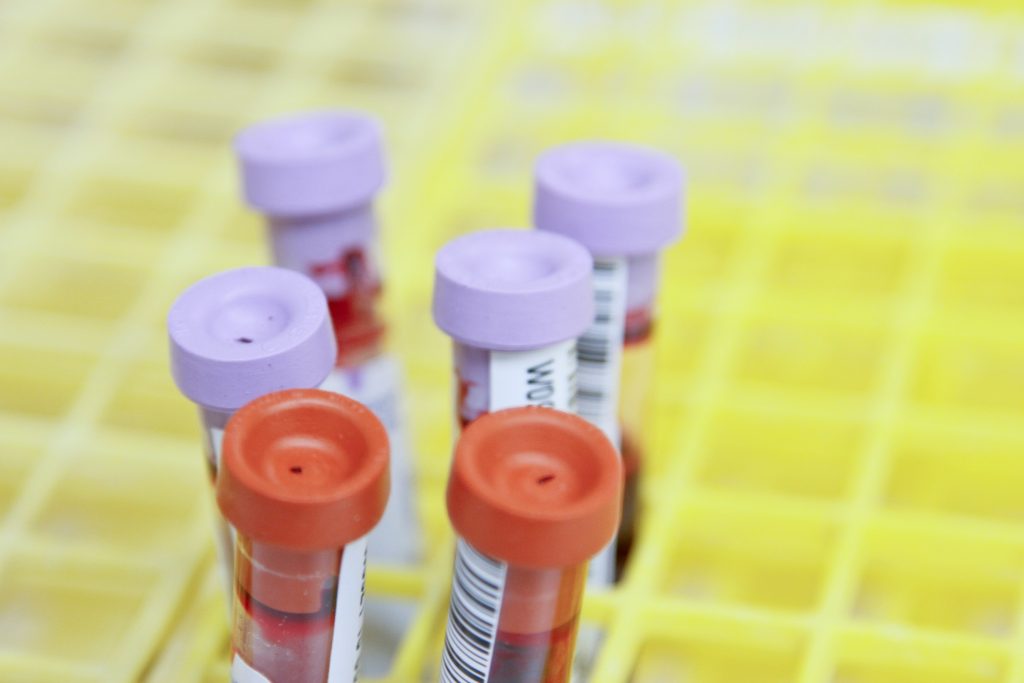
To determine if this male sex hormone is at adequate levels or not, it is ideal to carry out blood tests, such as total testosterone, which measures the amount of testosterone in the blood, or a free testosterone test, which measures the amount available for use by the body.
The test is usually done in the morning, when hormone levels are highest.
It is important to remember that the amount of testosterone in the body can vary according to various factors, such as age, sex, lifestyle, and health conditions.
Very high or very low levels can be concerning.
What can cause a decrease in the hormone in the body?
A drop in testosterone levels is called hypogonadism and can be linked to many origins, the most common being aging (since the amount of the hormone naturally decreases with age).
Other reasons include chronic health conditions. This is the case with obesity, diabetes, kidney or liver diseases, which can affect testosterone production, as well as hormonal disorders.
Men who have suffered some trauma or injury to the testicles, where the hormone is produced, can also exhibit a decrease.
Furthermore, excessive stress, intake of medications such as corticosteroids and opioids, and drug use tend to impact the production of the male hormone.
What are the symptoms of a lack of testosterone?
When a man exhibits hypogonadism, even before obtaining the results of his medical tests, he may notice some symptoms, such as:
- Decreased libido
- Erectile dysfunction
- Fatigue and lack of energy
- Depression
- Mood changes
- Loss of muscle mass and strength
- Increase in body fat
- Hair loss
- Difficulty concentrating and memory
What happens when testosterone is too high?
High levels of testosterone – called hyperandrogenism – can lead to negative health effects in men.
Men who use anabolic steroids, who have tumors in the adrenal glands or testicles, hyperthyroidism, kidney problems, and obesity tend to experience a certain elevation in testosterone.
When this occurs, the symptoms are:
- Increased libido
- Increased skin oiliness
- Acne
- Excessive growth of facial and body hair
- Increase in muscle mass
- Reduction of body fat
- Irritability and aggressiveness
- Mood changes
What happens when a man takes testosterone?
There are several effects that testosterone has for a man who either supplements the hormone or even uses injections, gels, or patches. In general, it enhances the development and maintenance of male sexual characteristics, such as increased muscle mass and reduced body fat, growth of body hair, and increased sperm production.
However, the hormone can also cause negative effects, especially when taken in high doses or for long periods.
Risks include increased aggressiveness, skin oiliness, development of cardiovascular diseases, decreased fertility, and interruption of the body’s natural testosterone production.
When is the use of the hormone indicated?
The use of testosterone is only indicated when prescribed by a doctor. The hormone can assist in the treatment of some conditions where there is a deficiency.
Men who have hypogonadism, for example, may benefit from hormone supplementation to maintain testosterone levels within the desired range. The treatment is also valid for those with testicular insufficiency.
Chronic diseases, such as heart disease, diabetes, obesity, liver or kidney diseases can cause testosterone levels to decrease, making supplementation necessary to avoid symptoms.
Some surgeries and health treatments can also lead to a reduction in hormone levels. This includes testicle removal, radiotherapy, and chemotherapy.
Older men, who are experiencing the natural decline of the hormone and suffering from symptoms, may also be candidates for supplementation with medical indication.
What increases testosterone?
Testosterone can be naturally increased with a balanced lifestyle. It is also possible to do so through medicinal options, indicated for those with a hormonal disorder, diagnosed by a doctor.
There are various types of medications designed for men who need to increase the testosterone hormone.
They are available in injections, usually administered by a doctor periodically; in gel or cream form, to be applied to the skin and absorbed by the body daily; testosterone patches, a more modern technology that releases the hormone throughout the day.
There are also more traditional options, in tablet or capsule form, that the man can consume orally.
How to naturally increase testosterone?
In general, maintaining a balanced and healthy routine is an efficient and completely natural way to keep testosterone levels up.
This includes regular physical exercise (especially resistance training), a healthy diet rich in proteins, healthy fats, vitamins, and minerals, and good night’s sleep.
In addition, men who are overweight or highly stressed will benefit from finding ways to reduce the scale number and daily overload.
What is the best food to increase testosterone?
There is no single food that can increase testosterone on its own.
The best way to maintain healthy levels of testosterone through diet is to invest in a healthy and varied menu.
Sources of zinc, proteins, good fats, fatty acids, omega-3, vitamin C, and fibers are important for testosterone production. Some foods that contain these nutrients are:
- Oysters
- Lean meats
- Fatty fish
- Eggs
- Nuts, almonds, and seeds
- Beans, lentils, and chickpeas
- Dark leafy greens
- Citrus fruits

What is the ideal level of testosterone by age?
Testosterone levels vary – and a lot! – throughout life.
Babies and children almost do not present the hormone, which begins to increase rapidly during puberty.
In adolescence, testosterone peaks. This is why changes in boys’ characteristics occur at this stage of life.
In young adults, testosterone levels are still high but begin to gradually decline after age 30.
In middle-aged and older adults, the decline in testosterone is even more pronounced. However, some men may experience a more significant reduction than others.
How to know if I need testosterone?
It is not possible to specify the normal levels of testosterone, as each laboratory has its predefined reference values for analysis.
However, throughout life, it is expected that testosterone varies between approximately 300 and 1,000 nanograms per deciliter (ng/dL).
Test results very different from the reference values, combined with symptom reports and the doctor’s experience, can identify whether a particular patient needs to undergo testosterone supplementation.
The dosage and type of supplementation should be defined by the health professional, so that the man is satisfied throughout the treatment.
How to know if I need to undergo testosterone replacement?
Testosterone replacement is a form of supplementation.
While testosterone supplementation aims to increase hormone levels in men who exhibit a drop due to some health condition, replacement seeks to stimulate the body’s production of testosterone.
What age to replace testosterone?
Both supplementation and replacement of testosterone must be evaluated by a doctor. There is no precise age for replacing the hormone, as most men do not even need this treatment.
However, it is essential to monitor and evaluate testosterone levels, as, at any age, the hormone can drop – although this is more common in the +45 age group.
Does taking testosterone decrease fertility?
Testosterone treatment can, in fact, decrease fertility.
This is one of the main concerns of men who need to supplement the hormone.
This unwanted effect occurs because testosterone is essential for the production of sperm in the testicles. When hormone levels are too high, this production is interrupted.
In addition, testosterone can affect the quality of sperm. Thus, they become less likely to fertilize the egg.
Does more testosterone mean more fertility?
If testosterone levels are within the normal range, taking testosterone will not make a man more fertile and may even harm his fertility.
Now, in men with low testosterone, supplementation can positively impact fertility, as the production and quality of sperm improve. However, this treatment is not appropriate for all patients.
Can I use it to gain muscle mass?
It’s better to avoid using the male hormone for lean mass gain.
The use of testosterone for bodybuilding and other sports practices is a controversial issue.
When testosterone levels are artificially increased, there is an increase in muscle mass and strength.
The practice is common among athletes and bodybuilders, who are usually monitored by health professionals. Although they display a perfect physique, with the help of exercise and diet, the use of testosterone is considered doping and prohibited in sports competitions.
For other men who do not have the support of professionals, the use of the hormone may not be safe.
The best way to increase muscle mass is with physical exercises, diet, and supplements prescribed by a doctor or nutritionist, who can provide guidance to achieve goals.

When to seek medical help?
Men who have noticed symptoms of testosterone decline, whether due to age or other reasons, or high hormone levels – including through supplementation for muscle mass gain, should seek a doctor.
In addition, it is important that, at least once a year, men consult with a professional and evaluate their testosterone levels to monitor whether they are within normal limits or not.
This follow-up allows the man to prepare for possible signs of decline and have access to quicker treatment when necessary. Thus, he will not feel the symptoms as intensely as he ages.
It is also important for parents to take adolescents to the pediatrician so that this monitoring is done from an early age.
Remember that a drop in testosterone can cause damage to your sex life. Erectile dysfunction can be a sign of a hormonal imbalance – and we can check and help you recover your satisfaction in the moment.