Testicular torsion is the twisting of the testicle on its own axis, which can occur during sleep, physical activity, or due to trauma. It is a serious condition that requires immediate attention, as it can impact fertility if not treated in time. Discover the symptoms and treatments for testicular torsion.
Testicular torsion occurs when the testicle twists the spermatic cord, a structure containing the blood vessels and nerves that supply the testicle. This can happen during sleep, intense physical activity, or trauma to the area.
It is a urological emergency that causes severe pain, and men should seek medical attention immediately to preserve their testicular health.
Learn what testicular torsion is, how it happens, the symptoms, causes, consequences, and available treatments.
How does testicular torsion happen?
The testicles are glands that produce sperm and hormones, mainly testosterone. They are held in the scrotal sac and supported by two structures: the scrotal sac and the spermatic cord.
Testicular torsion occurs during sleep, physical activities with abrupt movements and impacts, such as cycling and athletics, or after trauma to the region. It can happen at any age, but this article from the Brazilian Society of Urology explains that most cases occur between 12 and 18 years old, and it is rare in adulthood.
The problem results from a malformation in the tissue responsible for supporting the testicles during pregnancy, causing the testicles to remain unfixed.
Due to the lack of fixation, the testicles twist the spermatic cord, whose primary function is to create an optimal environment for sperm.
Signs and symptoms
The sign of rotation is sudden, intense pain in the testicles. Other symptoms include:
- swelling, warmth, and redness in the scrotal sac;
- pain in the lower abdomen or groin;
- hardening and elevation of the affected testicle;
- nausea and vomiting.

Are there risk factors for testicular torsion?
The first factor is having a malformation in the tissue that supports the testicles.
Another risk is for those who engage in contact sports like football. High-impact physical activities, cycling, weightlifting, and extreme sports also increase the risk.
Also read: Did the French pole vaulter suffer a penile fracture? Understand the risks and possible consequences
Is testicular torsion rare?
Testicular torsion is rare, and according to the Brazilian Society of Urology, the incidence is 1 case per 4,000 men.
Can men who had testicular torsion have children?
Men who have had testicular torsion can have children, but this depends on correct diagnosis and treatment because testicular torsion can affect male fertility by causing:
- Oligozoospermia: a decrease in sperm count in the semen; or
- Azoospermia: absence of sperm.
How is the diagnosis made?
Men should see a urologist within 6 hours of the incident, as the faster the treatment, the greater the chance of avoiding complications like testicular atrophy.

Testicular torsion is diagnosed through a physical examination and imaging tests:
1. Physical examination
In the physical examination, the doctor listens to the patient’s complaints and checks for swelling, hardening, elevation, redness in the testicle, and the absence of the cremasteric reflex, which is the involuntary contraction of the cremaster muscle located in the scrotal sac.
2. Doppler ultrasound
Doppler ultrasound is a painless test without radiation that visualizes abnormalities in the scrotal sac’s structure and blood vessels. Since testicular torsion affects blood circulation, the ultrasound is essential.
To confirm the diagnosis, it is necessary to rule out conditions affecting testicular health, such as orchitis, epididymitis, seminoma, hydrocele, and cancer.
Recommended treatments
Manual detorsion is possible if the patient can endure the pain, but this is not definitive and does not rule out surgery for testicular torsion.
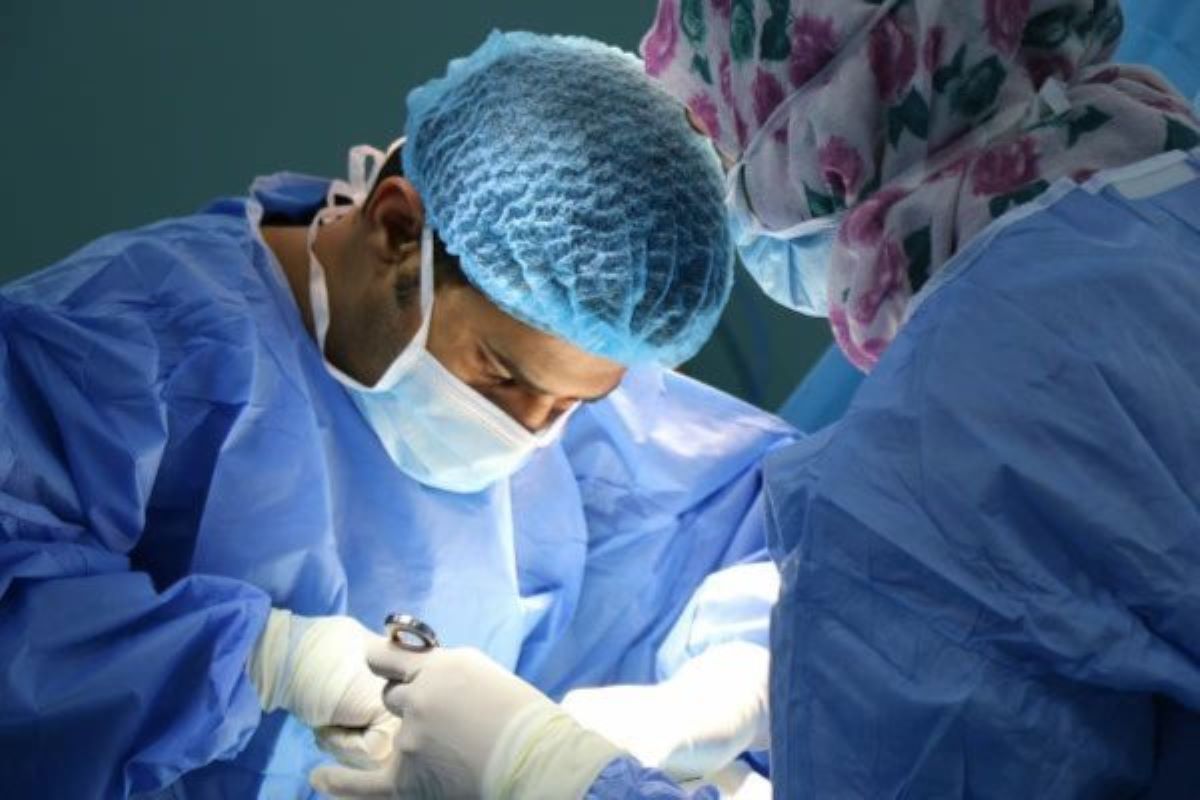
In more severe cases, surgery is performed under local or general anesthesia to reposition both testicles and restore blood flow.
What is the recovery time for surgery?
The recovery time is 2 to 6 weeks, and partial rest is required. It is normal for the area to be swollen, and the bruise disappears within the first seven days after surgery.
Post-operative care
The patient should avoid exercises and vigorous activities during recovery. Sexual intercourse is also prohibited for six weeks after surgery.
Can testicular torsion be prevented?
It is impossible to prevent children and adolescents with malformations in the tissue that supports the testicles. In case of accidents, parents should take their child to the hospital immediately.
Adult athletes can use genital protectors during high-impact exercises and learn the correct technique for movements to prevent injuries.
Take care of your health with Dr. Paulo Egydio
Testicular torsion is a rare condition that can affect male fertility and compromise testicular function. By following Dr. Paulo Egydio on TikTok and Kwai, you get updated tips on male health. Join the community today.