

Stress Decreases Libido as the Feeling of Pleasure is Directly Related to Sexual Desire. When We Can’t Relax, It Becomes Harder to Enjoy the Moment. Understand!
Libido is synonymous with sexual desire, and it is influenced by a complex interaction of physical, psychological, and social factors. Among them is stress.
Dealing with stressful situations or living with chronic stress can cause men to temporarily lose or reduce interest in sex or even have difficulties practicing it, such as erectile dysfunction.
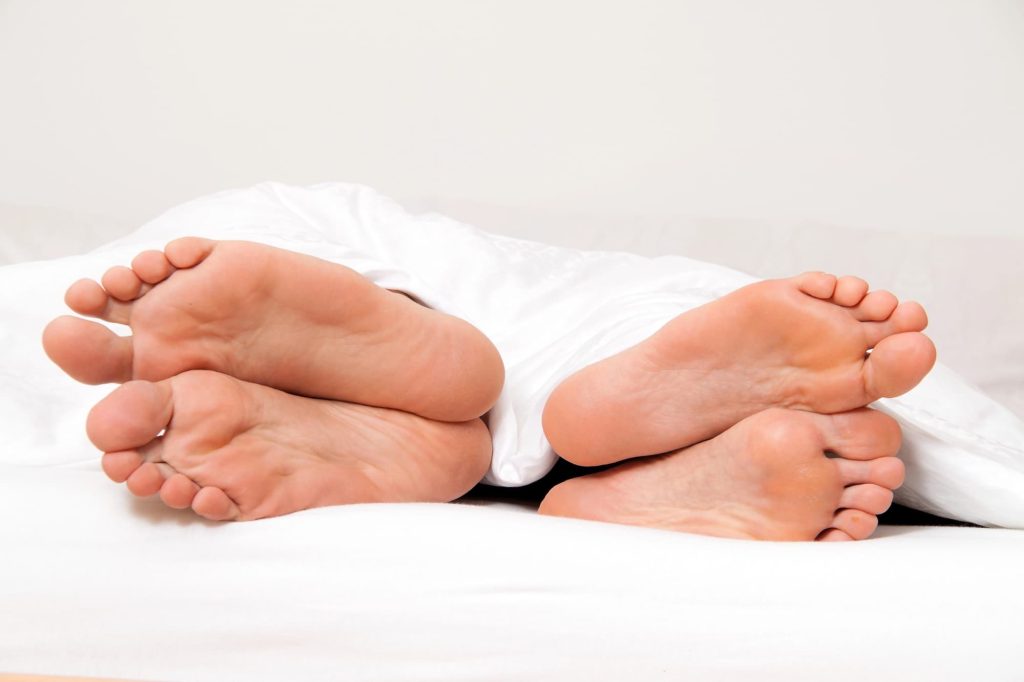
How Does Stress Affect Libido?
Stress decreases libido because, when we are stressed, the human body reacts by releasing a hormone called cortisol.
This hormone acts by reducing testosterone levels, which is essential for sexual desire.
Additionally, when there is a lot of cortisol in circulation, we can experience symptoms such as fatigue, anxiety, and irritability. This combination negatively impacts the willingness and interest in sex.
Can Stress Cause Erectile Dysfunction?
Signs That Stress is Affecting Your Sexual Health
Check out some symptoms to identify how stress affects libido and your sexual health:
- Decrease in sexual desire, with a reduction or absence of interest in sex or intimate contact.
- Erectile dysfunction or erection difficulties in most sexual encounters.
- Ejaculation problems, such as premature or delayed ejaculation.
- Negative feelings before, during, or after sexual intercourse, such as anxiety, nervousness, or discomfort.
- Low or no sense of pleasure after intercourse, even after orgasm.
- Persistent fatigue, tiredness, and irritability that undermine the desire to have sex.
Impacts of Stress on General Health
Stress impacts not only libido but also men’s overall health. No wonder, well-being, libido, and mental health are connected.
Physically, chronic stress can lead to hypertension, heart problems, and a weakened immune system. Those with diabetes, gastrointestinal problems, and migraines may manifest consequences of these conditions.
Mentally and emotionally, stress can trigger or worsen anxiety and depression. It also tends to lead to insomnia, irritability, and difficulty concentrating, negatively impacting work performance and personal relationships.
Often, a stressed person seeks to relieve stress in unhealthy ways, such as alcohol, tobacco, and other substance abuse, as well as eating disorders. This mechanism can worsen the situation.
Impacts of Low Libido
Stress decreases libido, which can impact various aspects of a man’s life, not just sex.
The reduction in sexual desire can create tension and conflicts in relationships, as sexual relations are essential for the couple’s connection.
A man may face feelings of inadequacy, frustration, and low self-esteem, as well as question his virility. Along with this, he may feel embarrassed and resist addressing the issue and seeking help.
Additionally, if libido is low due to clinical conditions, such as low testosterone, the man will have other symptoms, such as loss of muscle mass and increased body fat. The problem may also signal other diseases that require diagnosis and treatment.
How to Know if Low Libido is Caused by Stress or Another Health Problem?
Since low libido can be due to stress but also an alert for a health condition that needs care or simply a complicated life moment, it is essential to seek professional help.
A medical check-up with a urologist to check hormonal levels and penile circulation is a good start. If erectile dysfunction is associated with the condition, the doctor can evaluate and start treatment.
It is also recommended to see a psychologist. This professional can help identify psychological factors contributing to low libido, such as a relationship problem or the loss of a loved one, and provide tools to deal with the issue.

How to Deal with Chronic Stress and Stimulate Pleasure?
To prevent stress from affecting sexual life, it is necessary to find ways to manage it and adopt a healthy lifestyle.
Practicing relaxation techniques or some sport, for example, are options to reduce cortisol levels, as well as having good nights of sleep.
The diet should be balanced, rich in nutrients, and without excessive consumption of caffeine, alcohol, and processed foods.
Additionally, ensuring free time to reduce the feeling of overload and investing in hobbies and leisure activities are also actions that can be taken when stress affects sexual life.
For more care tips and to prevent stress from decreasing libido or even recover it, join Dr. Paulo Egydio’s WhatsApp channel. There, we can also guide you on penile curvature, implants, and erectile dysfunction to improve your sexual life.
Read More:
- Urethral pain: what it could be and how to treat it
- What is Dysuria? Understand Why Urination Can Be Painful and How to Treat It
- Paraphimosis: What It Is, How to Treat and Prevent It
- Psychotherapy: What It Is, How It Works, and Its Importance for Men
- What is Sildenafil Citrate Used For? Benefits and Effects
- Yellow Sperm: What Could It Be and How to Respond?
- How Penile Prosthesis’ pre and post-operative work
- Does a Penile Prosthesis Increase Penis Size? Understand What Happens After Implantation and When It Is Recommended.
- Erectile Dysfunction: importance of nocturnal erections
- Sex After 60: How to Maintain an Active Life?
- Weak Erections: What Are the Causes and How to Solve
- What Happens When Diabetes Attacks the Kidneys? See How to Avoid Problems