
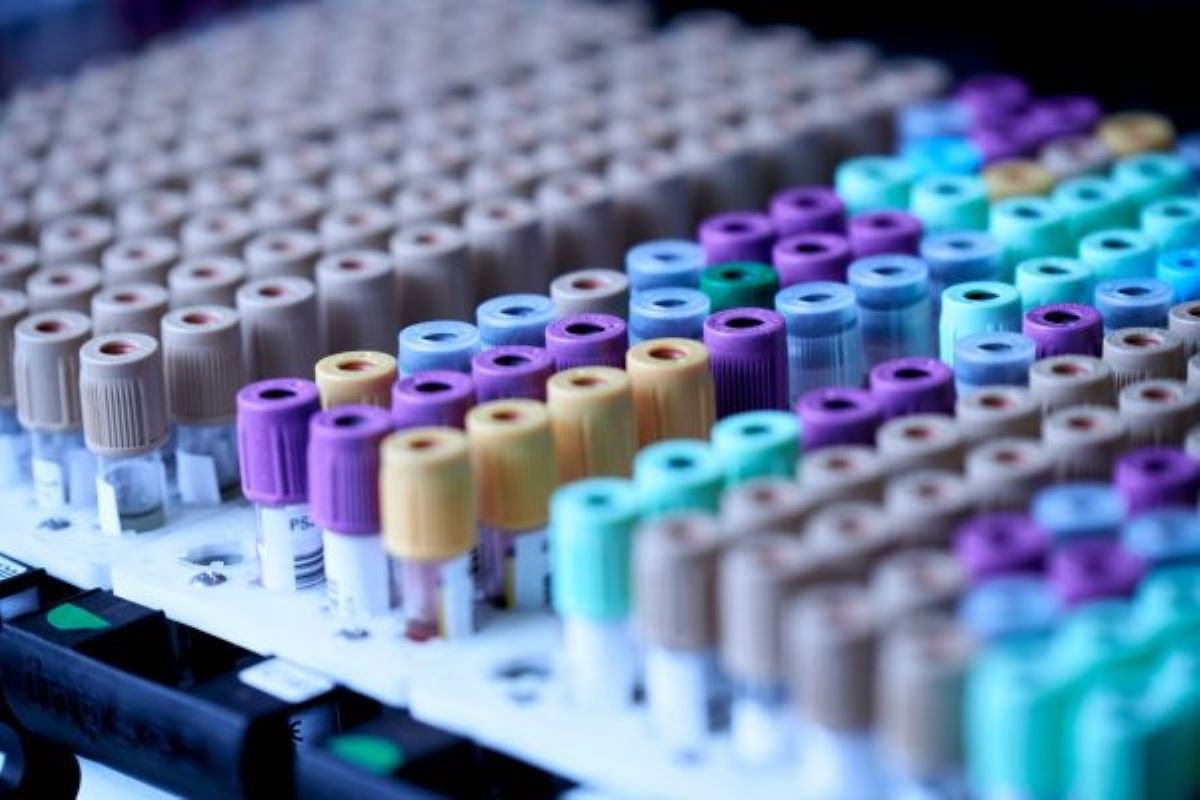
Essential Exams for Men May Include Laboratory Analyses, as Well as Cholesterol and PSA for Prostate Follow-up. Cardiovascular Exams, Such as Electrocardiogram and Stress Test, Are Also Often Recommended. See Which Ones May Be Requested from Ages 30 to 60.
Taking care of men’s health goes beyond well-being: it truly matters. Many serious health problems start silently, and one of the ways to detect them early is through regular preventive exams, under a doctor’s guidance.
From simple laboratory analyses to specialized exams like the PSA test and colonoscopy, scheduling routine evaluations can help with early disease detection, allowing for more effective treatment and better recovery prospects.
If you’re still unsure which tests may be indicated for each age group, this guide brings information to help you prioritize your health. After all, prevention is usually more advantageous than dealing with late-stage complications.
Routine Exam for Men (exame de rotina para homens): Main Tests at Different Ages
Preventive exams for men’s health can vary depending on age, since each age range presents different challenges.
However, some tend to be recommended at all stages of life. Check them out below:
Laboratory Exams
Blood, urine, and stool tests are relatively simple and can detect various health problems.
Through these exams, it’s possible to check for indications of diabetes, kidney diseases, sexually transmitted infections, hormonal imbalances, in addition to PSA level changes that might suggest prostate issues.
A urinalysis checks for the possibility of urinary tract infection and can help identify the bacteria involved. It also provides data on diabetes, kidney health, and hepatitis.
Meanwhile, a stool test is indicated in cases of suspected digestive system problems and for investigating colon and rectal cancer.
For Cardiovascular Health
Triglyceride and cholesterol tests measure the levels of fats in the blood, helping identify possible cardiovascular diseases.
A fasting glucose test measures blood sugar levels and aids in diagnosing type 2 diabetes.
Another exam that may be part of a men’s health check-up is the stress test, performed on a treadmill, starting with a light walk and progressing to running.
The goal is to monitor heart rate and blood pressure under exertion, detecting potential issues not visible at rest.
For Prostate Health
The PSA test is a blood test that measures the level of prostate-specific antigen, a substance produced by the prostate that helps liquefy semen, enabling sperm motility.
This test is used as a screening for prostate cancer, benign prostatic hyperplasia (benign enlargement), and prostatitis (bacterial infection).
Another common preventive exam is the digital rectal exam, indicated to check for possible abnormalities in the gland, such as lumps or nodules.
A prostate ultrasound may also be requested, especially in cases of penile pain, urinary difficulty, decreased urinary stream, or the presence of blood in the urine or semen.

For Hormonal Health
The most commonly requested male hormone tests are usually total and free testosterone, along with thyroid function assessments.
While the total testosterone test checks the sum of all the hormone in the body, free testosterone indicates the fraction that is actually available for use.
TSH and free T4 may also be requested to evaluate the levels of these hormones, which are responsible for thyroid function.
For Sexual Health
Preventive exams for STIs (Sexually Transmitted Infections) can detect conditions such as HIV, gonorrhea, and syphilis.
There are rapid tests for HIV, syphilis, and hepatitis, as well as more comprehensive exams that include screening for HPV, serologies for hepatitis B and C, and analysis for herpes types 1 and 2, among other STI tests.
Specific Condition Exams
When it comes to issues like cancer or chronic diseases—such as diabetes, hypertension, and obesity—some specific exams may be requested, depending on each case.
1. Cancer
- Colonoscopy: investigates potential causes of rectal bleeding and the presence of polyps,
which are abnormal tissue growths in the colon and rectum. - Prostate and urinary tract ultrasound: evaluates size, shape, and texture, as well as checks for possible nodules and changes in the prostate and urinary system.
It’s generally requested alongside PSA and digital rectal exams to clarify causes of pain when urinating, reduced urinary stream, penile pain, or blood in the urine or semen.
2. Diabetes, Hypertension, and Obesity
The fasting glucose test measures blood sugar levels after 8 hours without eating.
MAPA (Ambulatory Blood Pressure Monitoring) is requested to confirm hypertension. In this exam, the patient wears a device on the arm for 24 hours that records blood pressure.
An electrocardiogram and an echocardiogram can also help assess heart health. The first detects possible hypertension-related problems, while the second identifies structural changes arising from elevated blood pressure.
Routine Exam for Men (exame de rotina para homens) Starting at Age 30
Routine exams for men in their 30s may include:
- Clinical exam in the doctor’s office;
- Blood pressure measurement;
- Urine and stool tests;
- Fasting glucose tests to evaluate diabetes risk;
- Blood tests for total cholesterol, HDL (good cholesterol), LDL (bad cholesterol), and triglycerides;
- Blood tests to assess kidney health and liver function;
- Imaging exams if there’s a family history of cancer at a young age.
Routine Exam for Men (exame de rotina para homens) Starting at Age 40
Blood pressure checks and blood and urine tests continue, but the doctor may include other, more specific exams:
- PSA test;
- Digital rectal exam, if there’s a family history of prostate cancer;
- Hormonal evaluation exams to measure testosterone and other hormone levels;
- Test to evaluate thyroid function, if there are symptoms or a family history of thyroid problems;
- Electrocardiogram, echocardiogram, and stress test.
Routine Exam for Men (exame de rotina para homens) Starting at Age 50
Beginning at 50 years old, men who haven’t yet undergone a PSA or digital rectal exam may be advised to do so.
Other exams that may be recommended from 50 onward include:
- Colonoscopy to check for possible colorectal cancer cases;
- More detailed tests to evaluate cardiac and vascular function;
- Bone density test to check bone health;
- Eye health exams.
Routine Exam for Men (exame de rotina para homens) Starting at Age 60
Finally, check-ups for senior men may include the following exams:
- Complete blood count: helps identify anemia, autoimmune diseases, viral and bacterial infections, and allergies;
- Blood glucose test: checks blood sugar levels, important for monitoring diabetics;
- TSH test: measures the amount of TSH hormone, related to thyroid function;
- Cardiac exams: electrocardiogram, echocardiogram, and stress test;
- Bone density test: evaluates bone health;
- Lipid profile and C-reactive protein: these analyze fat levels in the body (total cholesterol, good cholesterol, bad cholesterol, and triglycerides) and can indicate cardiovascular risk.
Warning Signs That Require Immediate Evaluation
Persistent pain, blood in the urine, discharge, or warts may indicate a problem, so seeing a urologist is important.
Avoid disregarding symptoms and seek medical help promptly to detect diseases early and facilitate treatment.
Active Care Saves Lives
Men’s health deserves attention at every stage of life. Keeping routine exams up to date can be an act of care and responsibility for yourself and those around you.
By considering regular check-ups, along with healthy habits and medical follow-up, you are likely to promote a fuller life with better quality.
Don’t wait for symptoms to appear before seeking help: talk to your doctor about the best way to start taking care of yourself now. For more information, keep following the Dr. Paulo Egydio’s blog and learn how to keep your health always on track.
Read also
- What is penile fracture?
- Surgery for Peyronie’s Disease: Risks and Recommendations
- Egydio’s Technique: Peyronie Disease Treatment
- Does the Egydio Technique Work for Every Penile Curvature?
- Implante de Prótese Peniana | Dr. Paulo Egydio
- Does Small Penis Exist? Check When Size Is a Concern
- 7 Simple Habits to Prevent Prostate Cancer
- Can People with a Penile Prosthesis Play Sports?
- How to Enlarge the Penis: Understanding the Options
- 6 Causes of Penis Fissures: Treatments and Care Tips