

Penile vasodilator should be prescribed by a physician, taking into account the patient’s clinical history and treatment safety.
Penile vasodilator medications for erectile dysfunction may help men who, for organic, emotional, or combined reasons, have a confirmed diagnosis. However, to use penile vasodilators safely, medical guidance is essential.
Some cases of erectile dysfunction can be managed with these medications. Still, they do not work the same way for all patients and, over time, some may no longer respond to treatment.
Learn about this treatment option and what to expect.
What is a penile vasodilator?
A penile vasodilator is a medication that facilitates blood inflow and retention, resulting in a firmer, erectile penis.
This class promotes relaxation of the smooth muscle in penile blood vessels, allowing them to dilate and increase blood flow to the corpora cavernosa.
The effect occurs because the medication helps release a natural substance called nitric oxide (NO).
NO relaxes and dilates penile vessel walls. With wider vessels, blood flows more easily and is retained in the corpora cavernosa, supporting penile rigidity.
Types of penile vasodilators
These medications can be used orally, topically, or by injection, and each route has specific characteristics.
Oral vasodilators
Vardenafil, Tadalafil, Sildenafil and other oral vasodilators are taken as tablets, absorbed through the digestive system and reach the bloodstream. They act systemically but have greater effect on the penis when sexual arousal is present.
Oral penile vasodilator therapy is often among the first recommended approaches, with efficacy varying according to the clinical scenario. Prescription and dosing (as-needed or daily) are tailored to each case.
Topical vasodilators
Topical creams and gels, usually based on alprostadil, are applied directly to the penis to stimulate local blood flow. The action is localized, and effects are usually perceived 15–30 minutes after application.
Topical penile vasodilators are a local-use option indicated after medical evaluation; they are generally not first choice for moderate or severe erectile dysfunction.
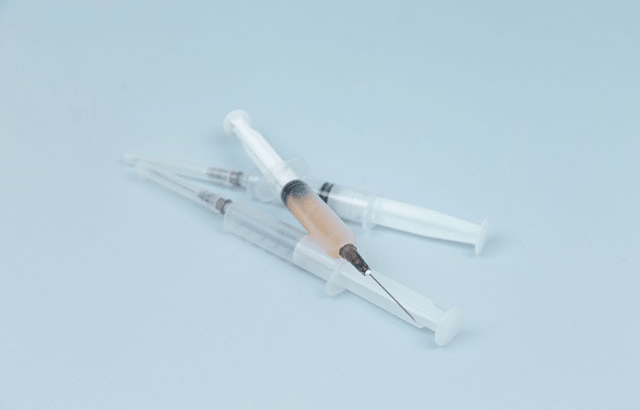
Injectable vasodilators
Usually based on alprostadil or papaverine, injectable vasodilators are administered into the corpora cavernosa before sexual activity; onset is rapid and duration may be up to about one hour.
Penile injections are commonly considered a second-line therapy under specialist guidance.
In a recent study published in the Brazilian Journal of Health Review, intracavernosal injections showed satisfactory response in about 80% of analyzed cases, according to the authors—particularly relevant where oral therapy response was limited in post-prostatectomy patients.
Penile prostheses as an alternative
When clinical options for erectile dysfunction are exhausted, penile surgery with prosthesis implantation may be considered. The aim is to restore sufficient rigidity for sexual function.
In addition to assessing overall health, the physician examines the penis for fibrosis, vascular quality, rigidity during erection, dimensional changes, and any curvature.
These findings help define the surgical strategy and, together with the patient, whether a malleable or inflatable prosthesis is more suitable.
After surgery, the penile implant aims to restore erectile function. On average, return to sexual activity occurs 45–60 days post-procedure, following medical evaluation. This timeframe may vary depending on healing and individual recovery.
According to a literature review spanning nearly 30 years, published in Sexual Medicine Reviews in 2018, many patients reported high satisfaction levels and improved sexual quality of life.
How to choose the best option
Given the range of treatments for sexual dysfunction, consulting a men’s health professional is essential to discuss penile vasodilator versus prosthesis.
In general, mild to moderate cases may start with vasodilators. Severe cases—especially with vascular issues or fibrosis—or those without satisfactory response to medications or injections may require surgery.
Safety and side effects
Penile vasodilators and prostheses are widely recognized options in the medical literature for managing erectile dysfunction when appropriately indicated and supervised by a qualified professional. As with any medical treatment, adverse effects and complications may occur.
For oral medications, common side effects include:
- Headache;
- Nausea and vomiting;
- Flushing and redness;
- Cardiac issues/complications.
These drugs are sometimes obtained without prescription and used indiscriminately to enhance sexual performance, but they should only be used under medical supervision. Risks increase with alcohol or drug use.
For topical vasodilators, expected side effects are usually local:
- Pain or burning;
- Skin rash;
- Itching;
- Penile inflammation;
- Numbness sensation.
A partner may also experience mild burning when the product is used.
Injectable vasodilators may present the following adverse effects, especially when not administered as instructed:
- Discomfort at injection;
- Bruising;
- Increased risk of priapism and fibrosis;
- Allergic reactions.
Penile prostheses may be associated with complications when not well indicated or when postoperative care is inadequate:
- Infections;
- Hematomas;
- Bleeding;
- Poor wound healing;
- Prosthesis extrusion;
- Poor adaptation to the prosthesis.
Frequently asked questions
What is the best penile vasodilator?
Choice depends on individual needs, treatment response, and overall health profile.
Which natural vasodilator is most potent?
Studies suggest that nitric oxide is the body’s natural vasodilator crucial to erectile function.
Which vasodilators are most used?
Common options for erectile dysfunction include Sildenafil (Viagra), Tadalafil (Cialis) and Vardenafil (Levitra).
Questions? Contact Dr. Paulo on WhatsApp
For questions about penile vasodilators and other options for erectile dysfunction, consult a urologist.
Individualized medical care helps assess your condition and indicate the safest approach for each case.
Send a message to Dr. Paulo Egydio to clarify doubts or, if you wish, schedule an appointment.