

Penile Mycosis: A Fungal Infection Characterized by Red Patches and Itching
If not treated, penile mycosis can harm men’s sexual health. Learn how to prevent it.
Although it is a common condition among men, developing penile mycosis is concerning because it causes discomfort and can lead to complications if not treated properly. Therefore, it’s best to avoid it whenever possible.
Penile mycosis has specific symptoms, causes, and treatments, and it can usually be prevented. Continue reading to find out how to identify this issue and what to do about it.
Is Penile Mycosis the Same as Candidiasis?
Penile mycosis can be a manifestation of
candidiasis in men.
Candidiasis is an infection caused by the Candida fungus, which also leads to vaginal candidiasis in women and male candidiasis when there are favorable conditions for fungal growth, such as high moisture and heat in the intimate area.
Although the symptoms are similar,
not every genital mycosis is caused by the Candida fungus. A medical diagnosis is essential to determine the causative agent and the appropriate treatment.
How to Differentiate Penile Mycosis, Candidiasis, and Other Conditions?
For the patient, it can be very difficult to distinguish candidiasis in men from other conditions, such as
balanitis (inflammation of the glans) or bacterial infections. Symptoms can be very similar, but mycosis generally presents intense itching, lesions, or cracks in the skin, while balanitis may involve pain and purulent discharge.
The ideal approach is to seek medical assistance for a proper diagnosis, which will determine the most effective treatment for each case.
Causes of Penile Mycosis (Genital Mycosis)
Penile mycosis can be caused by factors that create an environment conducive to fungal overgrowth. The main ones include:
- Inadequate intimate hygiene: both insufficient and excessive washing can disrupt the skin’s natural flora.
- Diabetes: excess glucose in the body favors the growth of the Candida fungus.
- Prolonged use of
tight clothing or synthetic fabrics: these garments increase moisture and heat in the male intimate area. - Long-term use of antibiotics: these medications can alter the balance of the body’s natural bacteria.
- Sexual contact with infected partners, even though candidiasis is not classified as a sexually transmitted infection (STI).
Consequences of Untreated Male Candidiasis
Ignoring the symptoms of male candidiasis can lead to complications. In addition to persistent discomfort,
the problem can progress to chronic inflammation, pain during sexual intercourse, and even spread of the infection to other parts of the body.
The discomfort and psychological impact caused by penile mycosis may negatively affect the patient’s sexual life, impacting performance at critical moments.
Symptoms and Warning Signs
Symptoms of penile mycosis include:
- Intense itching
- Redness
- Irritation
- Skin flaking
- Small lesions or cracks
- Whitish discharge or milky plaques on the glans in severe cases
If the symptoms persist or worsen, it is crucial to consult a doctor for evaluation and treatment.
How to Treat Penile Mycosis (Genital Mycosis)?
Treatment of penile mycosis includes local care and, in more severe cases, medication. Keeping the area clean and dry is essential to speed up recovery.
Recommended Treatments
Treatments for candidiasis in men generally involve
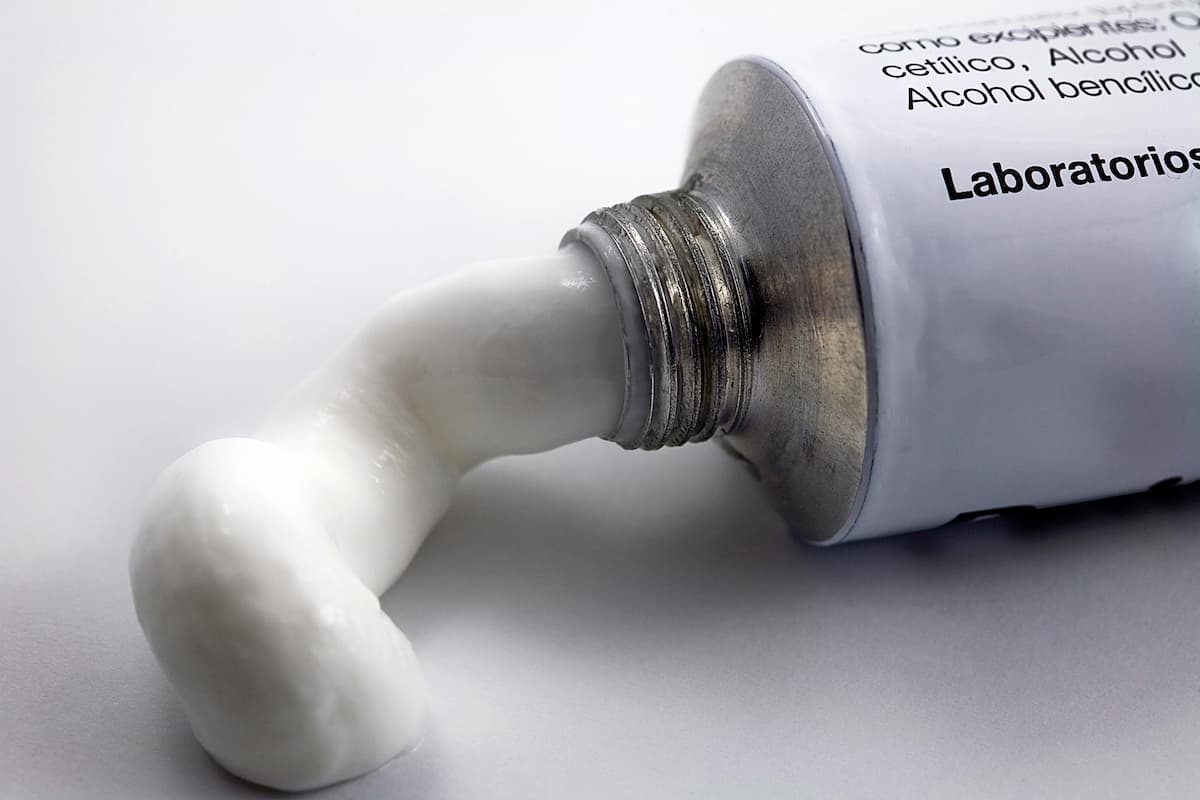
topical antifungal creams.
Oral medications, such as fluconazole, may be recommended for more resistant or recurrent cases.
Which Ointment Is Effective for Penile Mycosis?
Among the most commonly prescribed ointments for penile mycosis are those containing
clotrimazole or miconazole. These medications are effective against the Candida fungus and should be used according to medical advice.
How to Prevent Penile Mycosis and Other Genital Issues?
To prevent penile mycosis, it is essential to practice
proper intimate hygiene, washing the area with a mild soap and drying thoroughly after bathing.
It is also advisable to avoid tight-fitting underwear or synthetic fabrics. Choose cotton fabrics and looser garments that allow greater ventilation.
Controlling underlying conditions is key. Pay attention to diabetes to prevent fungal overgrowth and limit the use of antibiotics, using them only when prescribed by a physician.
Finally, using condoms during sexual intercourse is essential to reduce contact with infected partners.
At any sign of penile candidiasis, seek medical advice. Early diagnosis and appropriate treatment are crucial to avoid complications and promote good sexual health.
Penile mycosis can be prevented in most cases with proper hygiene measures and healthy habits. These practices will help men maintain a good quality of life and general well-being.
Explore the blog for more sexual health tips.