

Pelvic physiotherapy acts in the treatment of pelvic floor dysfunction. In men, these muscles support the bladder, rectum, and prostate, controlling the flow of urine and feces, and also aiding sexual health. Understand the benefits of the practice below.
Pelvic physiotherapy is a crucial ally for men’s health, offering effective solutions for issues such as post-surgical urinary incontinence and sexual dysfunctions, including Peyronie’s Disease. This method, which combines specialized devices and personalized exercises, is recommended after a detailed evaluation by a doctor.
Understand better how this approach can benefit your quality of life and male well-being.
What is pelvic physiotherapy?
Pelvic physiotherapy works on the recovery of pelvic muscle strength. Additionally, it is also used for male and female sexual dysfunctions. For men, pelvic floor rehabilitation is used in cases of erectile dysfunction and premature ejaculation.
The specialty is endorsed by specialists as an important ally in the recovery of patients with the conditions mentioned at the beginning of this topic, although it is not yet supported by the Federal Council of Physiotherapy and Occupational Therapy (COFFITO).
What is pelvic physiotherapy for?
Pelvic physiotherapy aims at strengthening the pelvic floor muscles. This technique is recommended in cases of:
- urinary and fecal incontinence;
- pelvic pain;
- intestinal constipation;
- genital prolapse (a condition in which the pelvic organs descend).
Although COFFITO Resolution No. 401 does not specify guidelines for male well-being, there are several scientific studies proving the effectiveness of physiotherapy in treating pelvic dysfunctions of urinary, coloproctological, and sexual nature.
An example is the article “The role of Physiotherapy in pelvic health”. Written by physiotherapist Juliana Schulze, professor at PUC/SP, the text reinforces the importance of physiotherapy in men’s health.

The professional, with Improvement in Dysfunctions and Pelvic Floor Reeducation at the Hospital do Servidor Público Estadual do Estado de São Paulo (HSPESP), highlights that, even without recognition from COFFITO, medical literature proves the benefits of physiotherapy focused on the pelvic area in patients with urinary incontinence.
Pelvic strengthening work is also linked to male sexuality. In this context, the article “The contributions of physiotherapy in sexual dysfunctions: literature review”, by Carla Chiste Tomazoli Santos, Thyago Mendes Lago, and Juliana de Amorim Peixoto, reports that exercises performed by patients and techniques with devices show satisfactory results in men with erectile dysfunction, for example.
What causes pelvic floor dysfunctions?
The main factors of pelvic muscle weakening in men are:
- Advanced age: muscles throughout the body weaken over the years;
- Prostate surgery: prostatectomy (prostate removal) can weaken the pelvic muscles due to the pressure the sphincter undergoes during surgery. About 40% to 60% of men experience urinary incontinence, but only 5% of cases are persistent;
- Obesity: excess weight increases pressure on the muscles, pushing the bladder, rectum, and prostate downward.
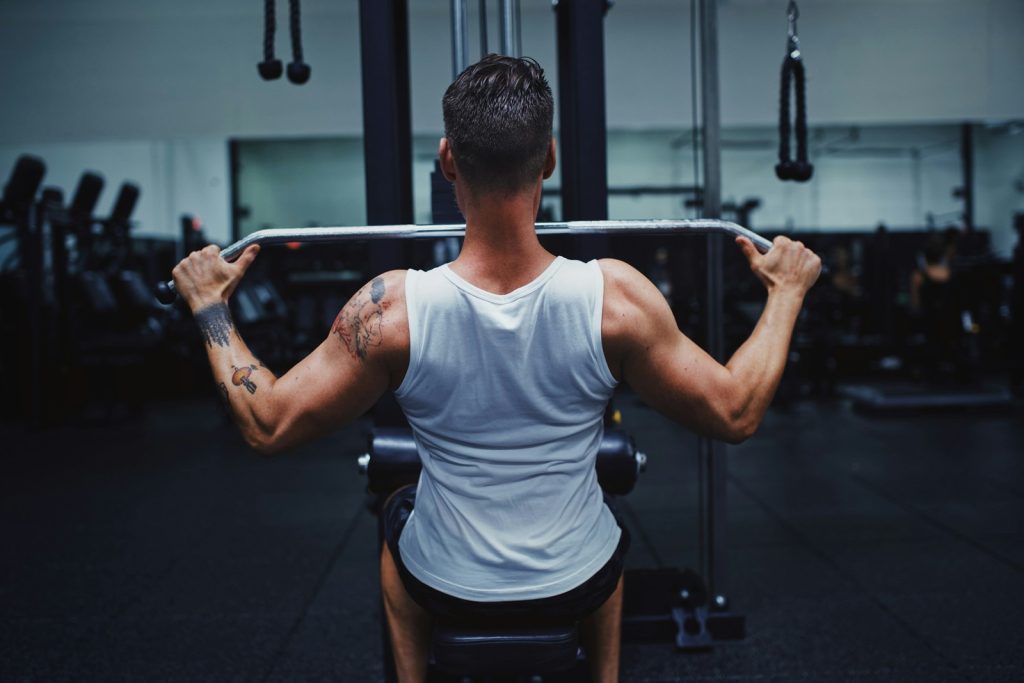
Additionally, weight training, running, squats with jumps, soccer, volleyball, and crossfit can put excessive strain on the bladder. This tension occurs when a person holds their breath to bear the load.
In these cases, when the load is too heavy, it is correct to reduce it and focus on strengthening the pelvic floor to support weight-bearing exercises.
What problems does male pelvic physiotherapy treat?
Male pelvic physiotherapy treats urinary incontinence, fecal incontinence, and sexual dysfunctions. Men diagnosed with Peyronie’s Disease, a penile curvature that can make penetration difficult, also benefit from this physiotherapy.
There are several exercises, and the choice is made by the physiotherapist specializing in the pelvic floor after a clinical analysis. The professional also guides the patient on execution and frequency. Following the recommendations is essential for successful treatment.
Prices are set with the professional. The treatment can be covered by insurance or paid privately.
Regarding the first pelvic physiotherapy session, it is usually divided into two stages. In the first, the professional talks with the patient to understand the complaints. After that, the physiotherapist applies Surface EMG Biofeedback.
Biofeedback is a device with adhesive electrodes placed in the intimate area. This allows visualization and understanding of the pelvic organs’ movement to show the physiotherapist which approach to adopt.
Pelvic physiotherapy sessions also include:
- Electrical stimulation: gentle electric currents that strengthen the pelvic muscles;
- Manual therapy: massage, mobilization, and myofascial release techniques to relax and strengthen the pelvic muscles.
Can pelvic physiotherapy be done at home?
Just as important as knowing what pelvic physiotherapy is for is knowing if it can be done at home. The answer is yes, pelvic exercises can be performed at home.
Basically, they consist of contracting the muscles in this area. The execution is simple and imperceptible, meaning no one can notice. Another good news is that you don’t need to find a gap in your schedule. You can do them while watching TV, studying, working, or driving.
Kegel exercises are the most common. They bring benefits, especially in improving urinary control. Increased strength and endurance of the muscles responsible for erection and ejaculation are also noted.
Check out how to practice Kegel exercises at home:
1. Identify the pelvic muscles
There are two ways to do this. In the first, the man stops the flow of urine.
The second consists of contracting the muscles around the anus. Here, it is normal to feel a gentle lift of the pelvic floor.
In both cases, the man should not hold his breath, exert excessive force, or contract the muscles of the abdomen, buttocks, and thighs.
2. Time to contract and relax
Once the pelvic muscles are identified, it’s time to practice.
To start:
- contract the muscles for 3 seconds and relax for the same time.
- Repeat the process 10 times.
- Do this three times a week.
Once you master this first phase, increase the contraction and relaxation to 5 seconds each. Do two sets of 15 repetitions each, four times a week.
The next step is to contract for 10 seconds and relax for 10 seconds. Do three sets of 20 repetitions each, five times a week.
Pelvic physiotherapy is essential for men’s health. For more information about male health and sexual life, join the Dr. Paulo Egydio’s WhatsApp group. In it, you will have access to reliable information, health tips, and the opportunity to ask questions with a specialist.
Read also
- What is penile fracture?
- Surgery for Peyronie’s Disease: Risks and Recommendations
- Egydio’s Technique: Peyronie Disease Treatment
- Does the Egydio Technique Work for Every Penile Curvature?
- Implante de Prótese Peniana | Dr. Paulo Egydio
- Does Small Penis Exist? Check When Size Is a Concern
- 7 Simple Habits to Prevent Prostate Cancer
- Can People with a Penile Prosthesis Play Sports?
- How to Enlarge the Penis: Understanding the Options
- 6 Causes of Penis Fissures: Treatments and Care Tips