
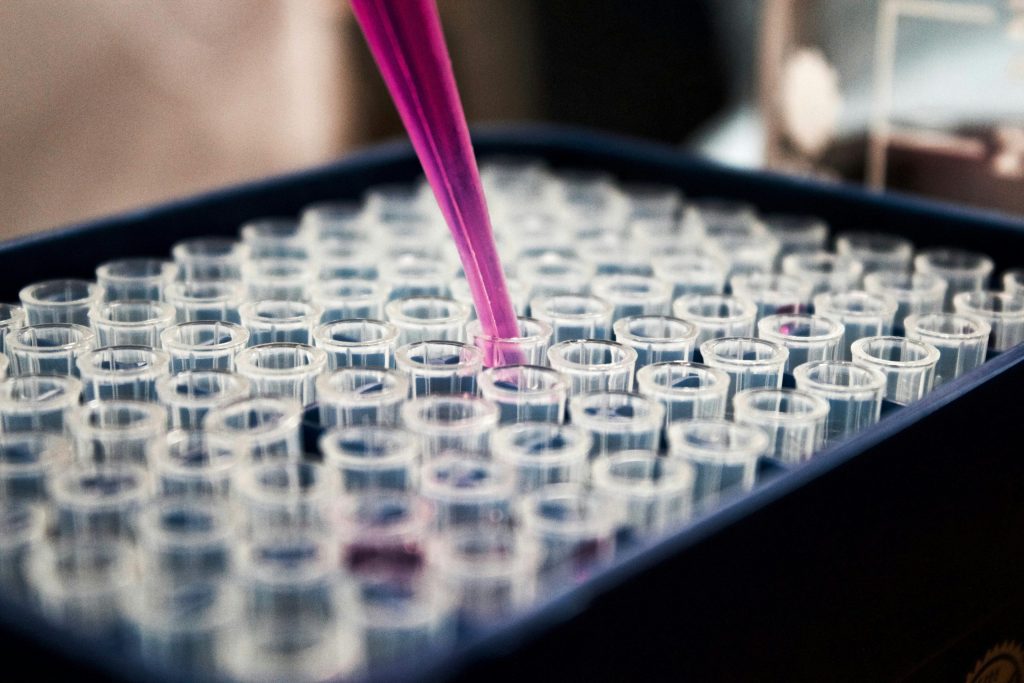
In a men’s health check-up, routine blood tests (such as lipid profile and fasting glucose), thyroid, kidney, liver, and heart function assessments, as well as PSA and rectal examination are some of the most important to keep men’s health up to date. Learn more!
Unfortunately, many men neglect to have regular health check-ups on their own. Regular checks are essential for everyone and should be part of men’s health routine.
According to research by the Brazilian Society of Urology (SBU), although prostate cancer is feared by 58% of men regarding urological diseases, followed by 37% who fear sexual impotence, 48% of men over 40 only seek a doctor when they show symptoms, and 58% only using the public health system.
Routine exams are an opportunity for early detection and prevention of numerous diseases and medical conditions. In critical situations, early identification of certain conditions can even save lives.
These tests aim to assess important aspects of health such as blood pressure, cholesterol levels, blood glucose, kidney and liver function, among others.
Furthermore, specific tests, such as the PSA (Prostate-Specific Antigen) for prostate cancer, need to be performed according to medical indication. Early detection of this condition significantly increases the chances of successful treatment.
The results of the check-ups also provide valuable insights into the overall health status of the individual.
Based on them, preventive measures can be adopted, including changes in lifestyle, such as diet and exercise, as well as the implementation of medications or specific treatments when necessary.
Follow today’s content and learn all about the main exams of men’s health check-up.
What is the purpose of the men’s health check-up and what are the main benefits?
Men’s health check-ups serve to monitor and assess various aspects of health, from prevention to early detection of diseases and medical conditions, enabling more effective treatment and increasing the chances of recovery.
In general, regular check-ups offer a number of important benefits for men’s health.
In addition to assessing general health condition, including kidney and liver function, cholesterol levels, blood glucose, and the presence of possible infections, it can also be effective in monitoring chronic conditions such as diabetes, hypertension, or heart diseases.
Lastly, they also provide more education: during routine exams, health professionals provide information and guidance on healthy habits, disease prevention, and specific care for men’s health.
From what age should the check-up be done?

The appropriate age for men’s health check-up can vary depending on factors such as personal medical history, family history of diseases, lifestyle, and specific medical recommendations.
However, it is generally recommended that men start having annual routine exams, especially from the age of 30. Below, we will see what the main ones are for each age group (30, 40, and 50 years).
It is important to discuss, in a medical evaluation, when to start your regular exam routine and which ones are most appropriate for your age and personal history.
Main exams and tests performed by age
The specific recommendation of routine exams can vary depending on factors like personal medical history, family history of diseases, lifestyle, and specific medical guidance. However, generally, men should consider the following routine exams at different age groups.
Some medical recommendations are made at 30, at 40, and at 50 years, especially when there are health histories. Follow below and check out a list of blood tests for men’s health check-up.
Main exams at 30 years
- Blood pressure evaluation;
- Blood test to check levels of total cholesterol, HDL (good cholesterol), LDL (bad cholesterol), and triglycerides;
- Blood test like fasting glucose for diabetes risk assessment;
- Blood tests to check kidney function and liver function;
- Clinical exam to assess general health and discuss healthy lifestyle habits;
- Urine and stool exams for periodic evaluation and/or when necessary.
At 40 years
In addition to the routine exams (mentioned above) such as blood, urine, and blood pressure evaluation, some more specific ones may be requested at 40 years. Learn which ones:
- In some cases, the Prostate-Specific Antigen (PSA) test and rectal exam may be requested for prostate cancer screening, especially when there is also a family history at this age group;
- Thyroid function evaluation, especially if there are symptoms of hypothyroidism or a family history of thyroid diseases;
- In certain cases, hormone evaluation, such as testosterone, for example, may also be requested.
- Cardiovascular health assessment, including electrocardiogram (ECG) and other exams based on individual risk factors, such as family history of heart diseases or smoking.
At 50 years
From the age of 50, doctors often consider:
- Colonoscopy for colorectal cancer screening, especially if it has not been done before;
- Bone density test to assess bone health and risk of osteoporosis, especially in men with risk factors;
- Additional cardiovascular health assessment, including more detailed tests of cardiac and vascular function, as needed.
What is the difference between a general check-up and a complete one?

When we talk about a general check-up and a complete check-up, we see many similarities, but there are some important distinctions.
A general check-up is typically a basic health assessment, which often involves routine exams such as checking blood pressure, weight, height, and maybe basic blood analyses such as lipid profile (cholesterol) and fasting glucose.
Meanwhile, a complete check-up is a more comprehensive and detailed health assessment, usually conducted more spaced out, depending on individual needs and medical recommendations.
It includes a wide range of exams and assessments, which may cover aspects like cardiovascular health, kidney and liver function, hormone levels, sexual health, mental health, bone health, lung function assessment, among others.
It may also involve imaging exams, such as ultrasound, computed tomography, or magnetic resonance imaging, depending on the needs and symptoms of the patient.
The goal is to perform a more comprehensive assessment of the patient’s health, identifying potential problems even if there are no symptoms, or providing a more comprehensive view of the patient’s health status when, for example, there is already a known health condition.
How often should men have check-ups?

The recommended frequency for medical check-ups may vary depending on several factors, such as:
- Age;
- personal medical history;
- family history of diseases;
- lifestyle;
- specific health conditions.
For young healthy adults, between 18 and 39 years, without chronic medical conditions, a general check-up is recommended between 1 and 3 years.
For middle-aged adults (i.e., between 40 and 50 years), more frequent check-ups are advisable, generally annually or every two years, especially to monitor cardiovascular health, prostate function (including PSA exams), and other aspects of health that may become more relevant with age.
For older adults (starting from 65 years) the check-ups should be done even before a year, depending on the case.
It’s important to say that the frequency of check-ups can vary case by case, and that each patient’s health assessment is individual.
Should check-up exams be done even if the man feels healthy?
Yes. Regardless of age, it’s essential that men maintain an open dialogue with their doctors to determine the appropriate frequency of check-ups and which exams are most suitable for their age and/or specific health condition.
How to maintain health always up to date

In any situation and age, some habits are harmful to men’s health.
Avoiding them and adopting practices such as physical exercises and good nutrition, in addition to having regular medical exams for routine care, is essential. In daily life, it’s important:
- To maintain a regular exercise routine;
- Well-balanced diet, rich in fruits, vegetables, whole grains, lean proteins, and healthy fats;
- Avoid smoking and excessive alcohol consumption;
- Practice stress management techniques, such as meditation, yoga, and therapy;
- Maintain good sleep quality;
- Undergo regular medical check-ups.
Don’t wait until you are sick to visit the doctor. Regularly undergoing medical check-ups not only promotes a healthier and longer life but is also educational, empowering you to take control of your own health.
The regular routine of exams not only prevents future complications but also ensures a better quality of life, filled with physical, mental, and happiness health.
It’s important to emphasize that when there are known risk factors, such as a family history of certain diseases, smoking, obesity or overweight, pre-diabetes or pre-existing medical conditions, the check-ups can start even earlier.
Each case should be assessed individually. Therefore, do not hesitate to consult your doctor about what is the best path for you.
If you are in your 40s and have a family history or have passed 50 and need to start your urological routine for prostate cancer prevention, do not hesitate to consult our team for more information.
Read also
- What is penile fracture?
- Surgery for Peyronie’s Disease: Risks and Recommendations
- Egydio’s Technique: Peyronie Disease Treatment
- Does the Egydio Technique Work for Every Penile Curvature?
- Implante de Prótese Peniana | Dr. Paulo Egydio
- Does Small Penis Exist? Check When Size Is a Concern
- 7 Simple Habits to Prevent Prostate Cancer
- Can People with a Penile Prosthesis Play Sports?
- How to Enlarge the Penis: Understanding the Options
- 6 Causes of Penis Fissures: Treatments and Care Tips