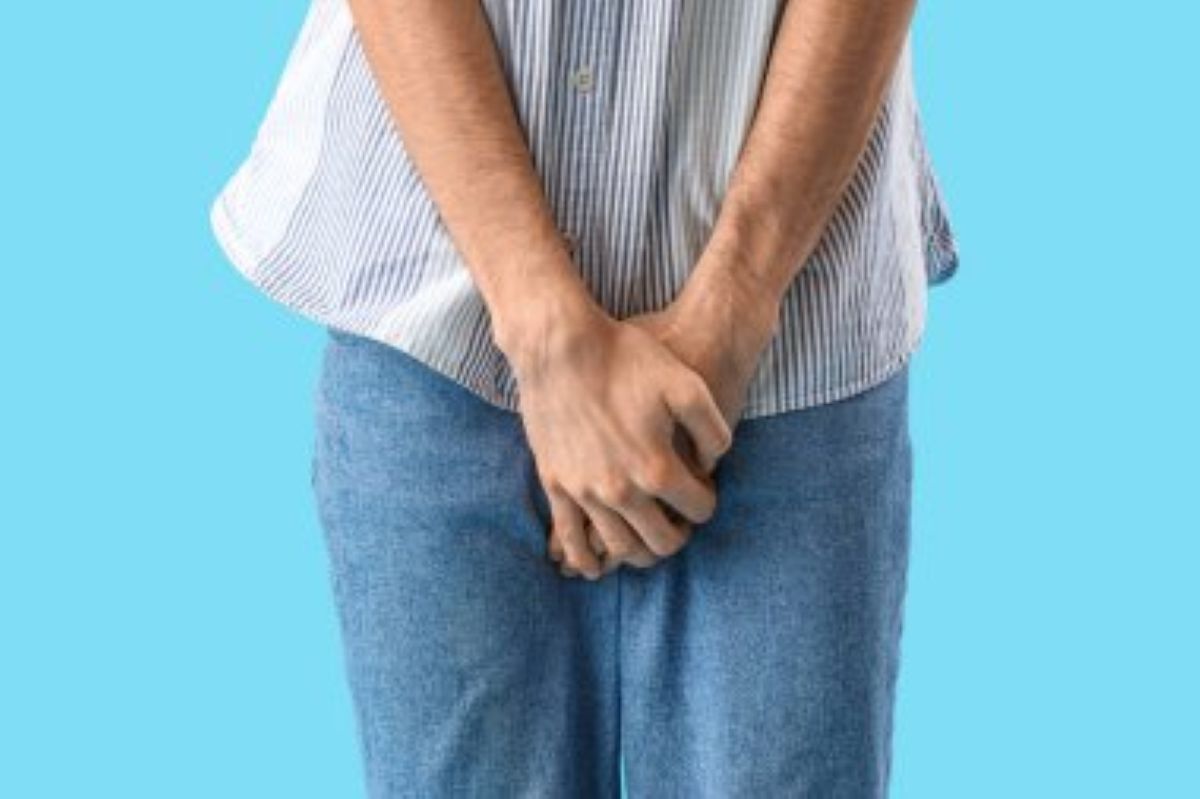

In male pelvic pain syndrome, men experience pain in the muscles of the pelvic region, abdomen, testicles, and penis. The causes may include infections, stress, or psychological issues. Discover now the warning signs and treatments for male pelvic pain.
Male pelvic pain causes pain in the pelvic muscles, changes in urination, and sexual dysfunction. This condition affects 2% to 10% of men, and the causes are not yet clear—it may stem from infections, genetic factors, or even stress.
The treatment includes medications and alternative therapies such as acupuncture. Learn more below!
What is pelvic pain syndrome?
Male pelvic pain syndrome, known by the acronym MPPS, is characterized by pain or discomfort in the pelvic muscles, which in men are located below the bladder and intestines. The problem can last from 3 to 6 months, accompanied by changes in urination and some sexual dysfunction.
What causes pelvic pain syndrome in men?
The causes of pelvic pain are varied and include:
- neurological and endocrine issues;
- infections, including sexually transmitted infections;
- trauma to the anal region;
- genetic factors;
- benign prostatic hyperplasia, also known as enlarged prostate.
The syndrome is also associated with stress, according to a study conducted by the Departments of Urology and Psychosomatic Medicine at the University of Giessen in Germany. The research suggests that the nervous system reacts in an extreme way, which can lead to pelvic muscle tension.
Symptoms and warning signs
The main symptoms of male pelvic pain are:
- Pain when urinating;
- Increased need to urinate, especially at night (nocturia);
- Difficulty starting or maintaining the flow of urine;
- Pain in the perineum (located between the anus and penis);
- Pain in the testicles, penis, and lower abdomen;
- Some sexual dysfunction, which may include pain during or after ejaculation or difficulty achieving or maintaining an erection.

According to a document prepared in 2018 by the Federal University of Rio Grande do Sul, these signs may intensify if a man tends to catastrophize pain, a condition in which the individual obsessively thinks about the symptoms and becomes tormented by the possibility of it being cancer or another serious illness.
How to relieve male pelvic pain?
Male pelvic pain can be relieved with medications to relax the prostate, medications for erectile dysfunction, physical therapy, and therapies like acupuncture, stretching, and yoga to manage anxiety.
Want to stay informed about urological problems and solutions? Follow Dr. Paulo Egydio on TikTok for the latest updates!
How is pelvic pain syndrome diagnosed?
The diagnosis is made by a urologist based on the patient’s medical history, physical exams, and imaging tests.

During the physical exam, the doctor examines the abdomen, testicles, perineum, and also performs the prostate exam. A PSA test may be ordered to measure the levels of Prostate-Specific Antigen to check for problems like non-cancerous gland enlargement.
It may also be necessary to perform a cystoscopy, a urological imaging test that examines the interior of the bladder and urethra.
To confirm the diagnosis, conditions like urinary tract infections, intestinal pain, and orchitis (inflammation of the testicles) must be ruled out.
What are the recommended treatments for pelvic pain syndrome in men?
The treatment is individualized, but in general, it includes:
Medications
- Alpha-blockers like doxazosin or tamsulosin, if the symptoms are due to prostate enlargement. These medications relax the gland and relieve urinary symptoms;
- Anti-inflammatories and medications to reduce pain perception by the central nervous system;
- For cases of erectile dysfunction, penile injections of 25 to 100mg of sildenafil 1 hour before sexual activity;
- If there is pain during or after ejaculation, injections of serotonin reuptake inhibitors (20 to 40 mg of fluoxetine per day) to relieve pain and improve quality of life.

Physical therapy and acupuncture
- Pelvic physical therapy strengthens the muscles, allowing the patient to urinate normally and helping to relieve pain;
Although the article “Acupuncture is effective for chronic prostatitis/chronic pelvic pain syndrome” states that the benefits of acupuncture for chronic pelvic pain are not yet clear, the therapy is helpful because it reduces stress and anxiety.
How to prevent pelvic problems and their consequences?
To prevent pelvic pain and its consequences, the following practices are recommended:
- Exercises to strengthen the pelvic floor: help control urination and defecation, stabilize the trunk, and enhance penetrative and ejaculatory ability;
- Avoid obesity: excess weight puts pressure on the pelvic muscles;
- Avoid excessive intense physical activities: such as weightlifting, which puts pressure on the pelvic floor. Combine this type of exercise with stretching, Pilates, and yoga;
- Invest in anti-inflammatory foods: such as leafy greens, avocado, tomatoes, omega-3 rich fish, berries, turmeric, soy, and green tea.
Male pelvic pain syndrome is pain or discomfort in the pelvic region that radiates to the abdomen, testicles, penis, and perineum, accompanied by changes in urination and sexual dysfunctions.
If you are experiencing sexual problems, contact Dr. Paulo and take the first step toward overcoming it. Count on the specialist’s support to regain your quality of life and well-being.
Read also
- Benefits of the Egydio TEP Strategy
- Free and Total Testosterone: Learn How to Interpret Results
- Is My Penis Thin? Find Out Now!
- Boosting Erectile Function: 3 Practical Tips & Effective Treatments
- Meet the Urologist: Specialties, Tests, and When to Seek Help
- Male Masturbation: Benefits and Myths Uncovered
- What is Prostatitis? Learn About Symptoms, Causes, and Recommended Treatments
- How to Measure Your Penis Correctly at Home
- Erection Duration: Understanding Normality & Seeking Help
- What to Do When a Man Loses Desire for His Wife? Discover Possible Causes and Treatments