

Learn what the possible signs of erectile dysfunction may be and when to see a urologist.
How do I know if I have erectile dysfunction? Many men have this doubt and feel embarrassed to talk about it.
With that in mind, we put together this guide to help you recognize possible signs of erectile dysfunction. We will also explain when to see a urologist and why that matters.
How to know if it was temporary or persistent?
From time to time, it is normal to have some difficulty maintaining an erection. But what separates something temporary from a persistent issue? See the differences in the topics below.
Signs it may be just an occasional issue
Some signs suggest erection problems may be occasional. See:
-
- It happens rarely: sporadic episodes are common and usually do not progress to erectile dysfunction.
- It happens in specific moments: stress, fatigue, and anxiety are emotional factors that can affect erections.
- Morning erections are present: morning erections suggest the mechanism involved in this function is working adequately.
- Normal erection during masturbation: if the penis becomes firm during masturbation, it may suggest performance anxiety is involved.
Warning signs of erectile dysfunction
- Persistent difficulty for 3 months or more: it is recommended to see a urologist to investigate possible causes.
- Progressive loss of rigidity: conditions such as diabetes and smoking can affect circulation and, consequently, blood flow to the corpora cavernosa.
- Weak morning erections or none: morning erections help oxygenate tissues and support erectile health. When they are weak or absent, it may suggest a circulatory issue.
- Reduced libido: low libido is often associated with erectile dysfunction because both may be linked to hormonal changes, emotional factors, and stress.
- Difficulty in all situations (sex, masturbation, spontaneous): having no erection in any situation may be related to physical, hormonal, emotional causes, and even medication use.

Quick self-check test
This test is based on clinical practice and may help identify possible erection problems.
1. How often can you maintain an erection firm enough for penetration?
- A) Always
- B) Most of the time
- C) Sometimes
- D) Rarely
2. Can you maintain the erection until the end of intercourse?
- A) Always
- B) Most of the time
- C) Sometimes
- D) Rarely
3. Do the difficulties happen in any situation (masturbation, penetration, different partners)?
- A) No, only in some situations
- B) Yes, most of the time
- C) Yes, in all situations
- D) I do not know / I never noticed
4. Do you usually wake up with morning erections?
- A) Always
- B) Sometimes
- C) Rarely
- D) Never
Insert stock image
5. How long have you noticed the problem?
- A) Less than 1 month
- B) Between 1 and 3 months
- C) Between 3 and 6 months
- D) More than 6 months
6. Have you been dealing with anxiety, stress, fear of “failing,” or relationship pressure?
- A) No
- B) A little
- C) A lot
- D) Extremely
7. Do you have any condition or habit that increases the risk of ED (diabetes, high blood pressure, high cholesterol, smoking, obesity, or certain medications)?
- A) No
- B) Maybe
- C) Yes, one factor
- D) Yes, several factors
How to interpret your result
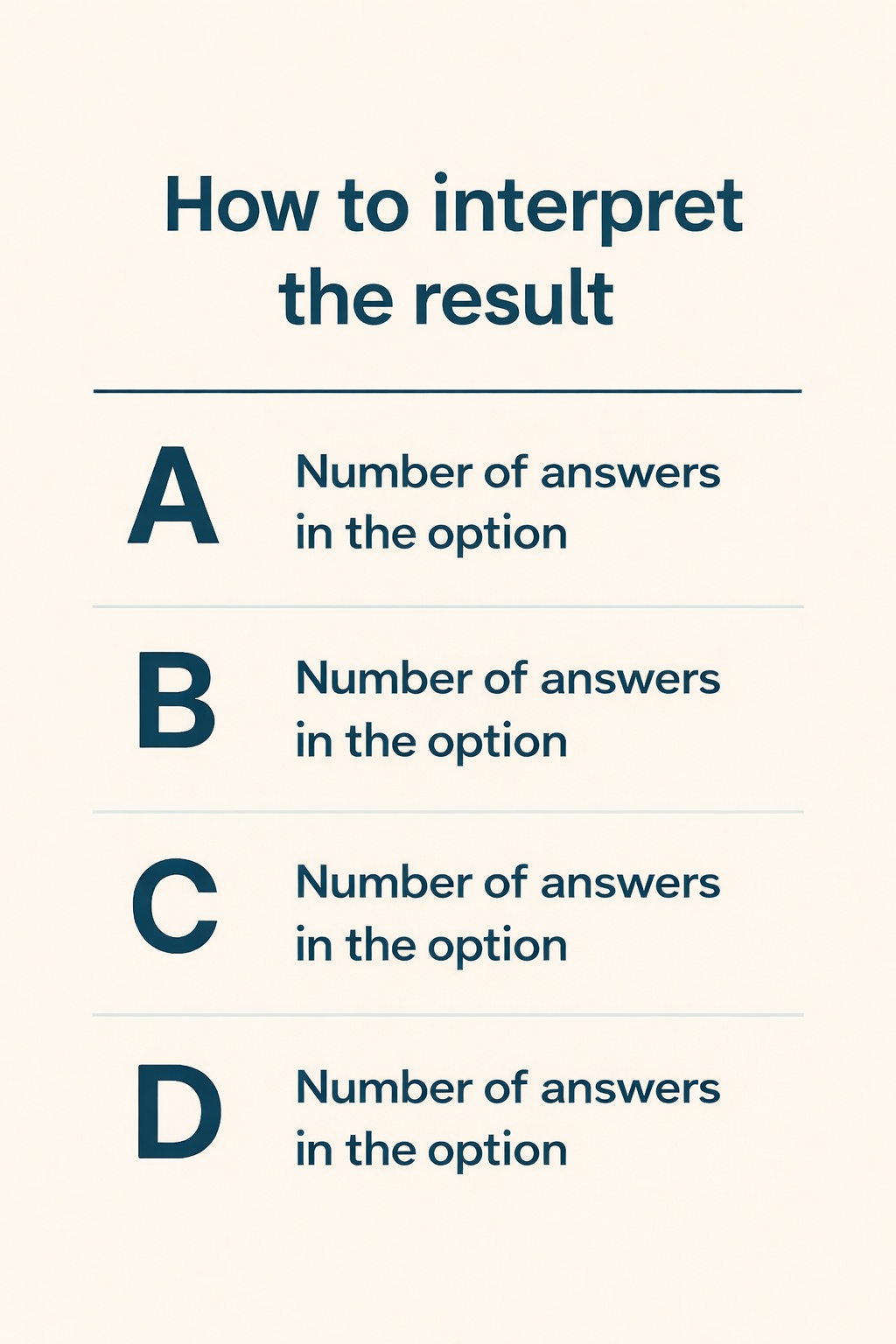
Mostly A and B → May suggest an occasional issue
It is often associated with factors such as:
- stress;
- fatigue;
- alcohol;
- situational anxiety;
- lack of connection or pressure during sex.
Tip: when morning erections are preserved, the problem tends to be more emotional or situational.
Mostly C → Pay attention
It may suggest the beginning of erectile dysfunction.
Common signs:
- difficulty maintaining the erection;
- loss of rigidity during intercourse;
- symptoms in different situations;
- gradual worsening over the weeks.
It is recommended to schedule an evaluation with a urologist.
Mostly D → Higher likelihood of erectile dysfunction (suggestive)
Especially if you answered D in:
- erection frequency;
- absence of morning erections;
- problem lasting longer than 3 months;
- presence of risk factors (diabetes, high blood pressure, smoking, etc.).
This suggests a higher chance of erectile dysfunction. The sooner an evaluation happens, the greater the chance of identifying the cause and defining the best approach.
Self-check tests can help you understand the situation, but they do not replace a urologist appointment. Only a healthcare professional can identify the cause of the problem.
Available treatments for erectile dysfunction
Treatments for erectile dysfunction may include oral medications, hormone therapy (in selected cases), and psychotherapy.
- Oral medications for erectile dysfunction: they act as facilitators, meaning effectiveness depends on sexual stimulation.
- Hormone therapy: it may be recommended in selected cases after confirming hormone changes.
- Psychotherapy: it helps identify and address emotional factors that can affect erections, which may improve erectile function.
When should you see a urologist?
Learn the criteria for seeing a urologist, why early assessment matters, and the risks of ignoring the problem.
How does a urologist evaluate erectile dysfunction?
Erectile dysfunction assessment is based on:
- Clinical interview: sexual history, possible circulatory or hormonal issues, and evaluation of psychological and behavioral factors.
- International Index of Erectile Function (IIEF-5): a 5- or 15-question survey that assesses sexual function, desire, rigidity, penetration, satisfaction, and orgasm.
- Male Sexual Quotient (QS-M): a psychological assessment tool that uses a 0-to-100 scale to measure confidence and relationship harmony.

Questions? Talk to Dr. Paulo
Erectile dysfunction can affect sexual health overall, but it may improve with treatment, which varies depending on the cause and medical evaluation.
If you are having difficulty maintaining an erection, fill out the pre-assessment form to schedule a consultation with Dr. Paulo Egydio.
His clinical experience supports a thorough evaluation and individualized guidance, according to each case.