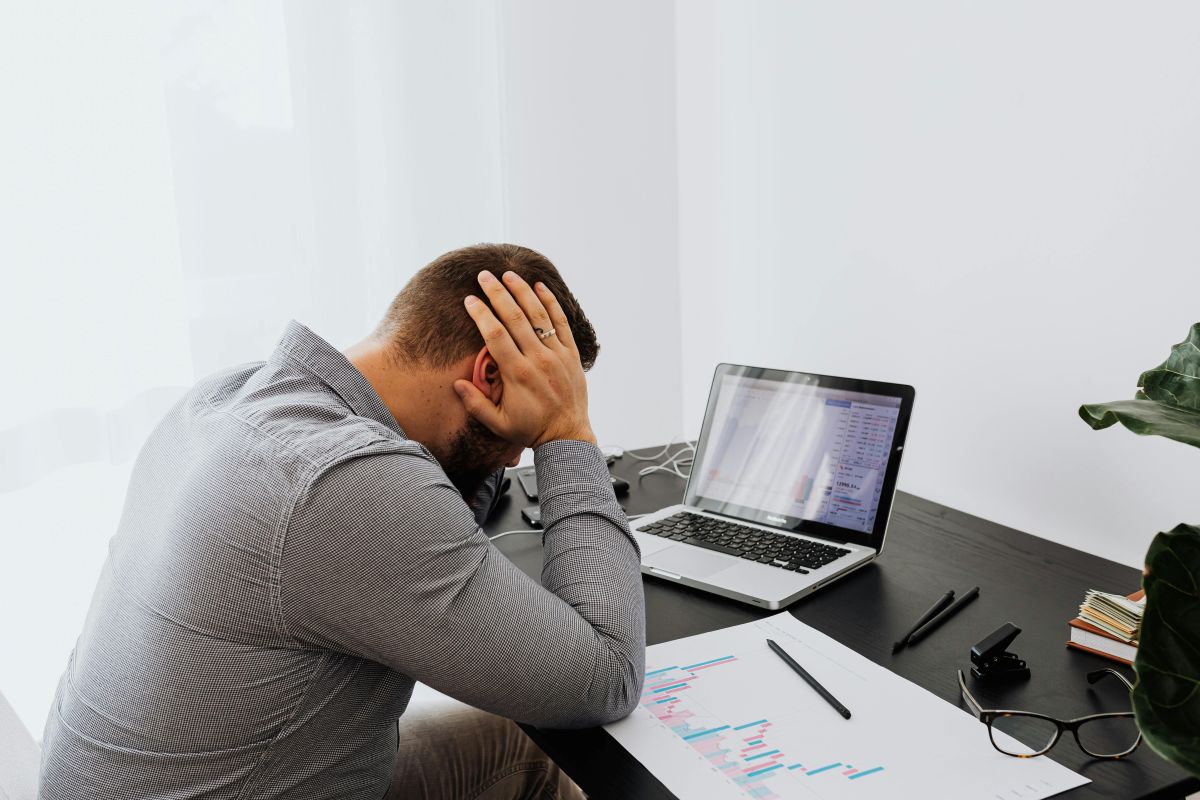
Excessive work and lack of libido are linked to increased cortisol, the “stress hormone,” which reduces testosterone, essential for male sexual function. Understand why working too much can harm your sex life.
Excessive work can impact libido and overall quality of life, because both professional life and sexuality are important. It’s necessary to maintain a balance between personal and professional life so that one does not cancel out the other. Discover how to achieve it.
Excessive Work and Lack of Libido: How Can Work Overload Lower Your Sexual Desire?
Stress is a natural response to physical, emotional, or mental challenges. This means the body releases cortisol and adrenaline to handle demanding or threatening situations.
Meanwhile, libido is a person’s sexual desire or drive. It involves the interest and motivation for sexual activity. Libido is linked to testosterone, but psychological, social, cultural, and environmental factors also play a role.
Chronic stress keeps cortisol levels—the stress hormone—consistently high, while testosterone, a hormone related to sexual function, decreases.
This relationship between high cortisol and low testosterone is explained by the fact that both hormones are regulated by similar mechanisms.
The hormonal imbalance caused by prolonged stress can affect libido and reduce interest in intimacy for some people.

Can Anxiety Cause Erectile Dysfunction?
Anxiety can be associated with erectile dysfunction because it activates the “fight or flight” mechanism, in which the body releases cortisol and adrenaline to respond to stressful or threatening situations.
Cortisol reduces testosterone levels, and adrenaline constricts blood vessels, hindering circulation. As a result, erections may not occur or may not be firm enough.
An anxious man also experiences low libido because he feels unable to satisfy his partner and avoids situations leading to sexual activity.
Does Excessive Work Affect Male Hormones?
Excessive work can impact testosterone, the main male hormone. This situation keeps a man on constant alert, causing cortisol and adrenaline levels to remain high.
If this professional overload is combined with poor sleep, the hormonal imbalance tends to be greater, because the peak of testosterone production occurs during deep sleep.
Men with occupational stress may experience high prolactin, for instance. Elevated levels of this hormone in the male body reduce testosterone and, consequently, libido.
Prolonged stress intensifies aromatization, a process that converts androgens (the hormones responsible for masculine characteristics) into estrogen, the main female hormone. Men with excess estrogen may have:
- Gynecomastia, or the development of breast tissue;
- Erectile dysfunction;
- Chronic fatigue;
- Depression;
- Decreased muscle mass;
- Increased body fat, especially in the abdominal area.
Lack of Sleep and Falling Testosterone: How Does It Affect Your Performance?
Testosterone production depends on sleep quality. This hormone is maintained during the deepest phase of sleep.
However, this research indicates that testosterone only decreases with sleep deprivation equal to or greater than 24 hours. Even so, the authors conclude that sleep duration is important for keeping adequate male hormone levels and that adults need 7 hours of sleep per night, according to the American Academy of Sleep Medicine.
Poor sleep harms sexual performance because it raises cortisol levels, which inhibits testosterone production. If a man does not learn to manage stress, his sleep keeps getting worse, his testosterone remains low, and he may experience a reduced sex drive, erectile dysfunction, and difficulty achieving orgasms.
Tips to Reduce the Impact of Stress on Sexual Performance
Excessive work and lack of libido affect thousands of people. The good news is that we have tips to help you lessen stress’s impact on your sex life. Check them out:
1. Improve Sleep Quality
- Go to bed at the same time every day;
- Avoid using electronic devices before bedtime;
- Do not consume caffeine 4 to 6 hours before sleeping.
2. Relaxation Techniques
- Meditation: calms the mind, reduces anxiety, and increases body awareness;
- Deep breathing: deep breathing exercises activate the parasympathetic system, which slows the heart rate and helps the body recover from exhausting activities;
- Yoga: improves flexibility, reduces stress, and increases blood flow to the pelvic region.
3. Physical Exercises
- Weight training, soccer, running, and CrossFit are exercises that increase testosterone;
- Kegel exercises to strengthen the pelvic muscles, responsible for erection and ejaculation control.
The Importance of Male Self-Care for a Healthy Sex Life
Understand why male self-care helps build healthy sexuality:
- Increases self-awareness;
- Reduces stress and anxiety;
- Improves self-esteem;
- Helps keep hormones regulated.
When to Seek Medical Help for Sexual Problems Caused by Stress?
It is recommended to look for a urologist in the following situations:
- Reduced sexual desire that does not improve with lifestyle changes;
- Persistent difficulty in getting or maintaining an erection;
- Constant fear of not satisfying your partner, a condition known as performance anxiety;
- Difficulty achieving orgasm;
- Chronic fatigue;
- Anxiety and depression.
Excessive work and lack of libido lower quality of life. However, it is possible to manage stress to improve well-being and sexual health. Follow Dr. Paulo Egydio on social media for tips on caring for your intimate health.
Read also
- Benefits of the Egydio TEP Strategy
- Free and Total Testosterone: Learn How to Interpret Results
- Is My Penis Thin? Find Out Now!
- Boosting Erectile Function: 3 Practical Tips & Effective Treatments
- Meet the Urologist: Specialties, Tests, and When to Seek Help
- Male Masturbation: Benefits and Myths Uncovered
- What is Prostatitis? Learn About Symptoms, Causes, and Recommended Treatments
- How to Measure Your Penis Correctly at Home
- Erection Duration: Understanding Normality & Seeking Help
- What to Do When a Man Loses Desire for His Wife? Discover Possible Causes and Treatments